SHARE:


Jumpstarting European industrial policy: a European Sovereignty Fund
PAST
EVENT
EVENT
Jan 27, 2023
10:30 - 12:30
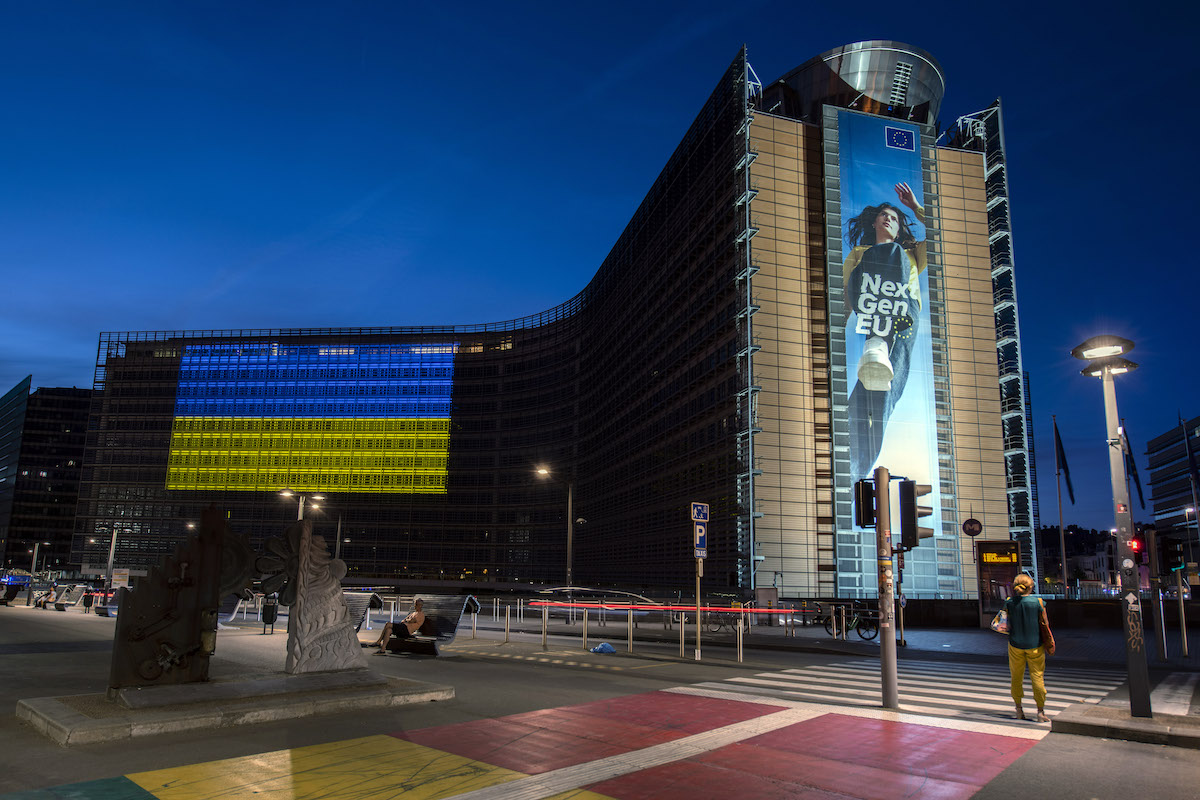
The COVID-19 pandemic and Russia’s invasion of Ukraine have put the EU’s geo-economic vulnerability into stark focus. Value chain disruptions and rising energy prices - the consequences of the EU’s over-dependence on politically unreliable suppliers - have highlighted the need for greater strategic autonomy. At the same time, the EU has been struggling to keep up with the US and Chinese bids for technological and industrial leadership. An increasingly hostile trade environment has put Europe’s industrial base in jeopardy. This has increased the urgency to strengthen the continent’s economic security and accelerate its green and digital transition. The COVID-19 pandemic and Russia’s invasion of Ukraine have put the EU’s geo-economic vulnerability into stark focus. Value chain disruptions and rising energy prices - the consequences of the EU’s over-dependence on politically unreliable suppliers - have highlighted the need for greater strategic autonomy. At the same time, the EU has been struggling to keep up with the US and Chinese bids for technological and industrial leadership. An increasingly hostile trade environment has put Europe’s industrial base in jeopardy. This has increased the urgency to strengthen the continent’s economic security and accelerate its green and digital transition.
Unprecedented challenges call for unprecedented volumes of investment. At her 2022 state of the Union speech, Commission President von der Leyen called for a European Sovereignty Fund to “make sure that the future of industry is made in Europe”. Similarly, the EPC has proposed the establishment of a new European financing facility in a recent op-ed. As commissioner Breton has stressed, such a fund could boost the development of strategic infrastructures, technologies, and manufacturing capacity, while preserving the integrity of the Single Market, avoiding the traps of duplication and fragmentation of member-state financing. It could provide equity investment for SMEs and high-tech start-ups central to EU sovereignty and to a successful green and digital transition.
This in-person workshop will discuss the following questions:
1. What should the priorities of a European sovereignty fund be?
2. How should it be designed?
3. How should it be financed?
4. Who should qualify for investment?
5. How should it be managed?
6. What are the institutional, legal, and political obstacles and constraints?
The roundtable will be held under Chatham House Rule. Participants will take part in a closed-door discussion at the EPC’s premises (Rue du Trône, 14-16, Brussels).
This event is upon invitation only. If you are interested in participating, please contact Evin Jongen-Fay. As seating is limited, registration will be on a first-come, first-served basis.
Unprecedented challenges call for unprecedented volumes of investment. At her 2022 state of the Union speech, Commission President von der Leyen called for a European Sovereignty Fund to “make sure that the future of industry is made in Europe”. Similarly, the EPC has proposed the establishment of a new European financing facility in a recent op-ed. As commissioner Breton has stressed, such a fund could boost the development of strategic infrastructures, technologies, and manufacturing capacity, while preserving the integrity of the Single Market, avoiding the traps of duplication and fragmentation of member-state financing. It could provide equity investment for SMEs and high-tech start-ups central to EU sovereignty and to a successful green and digital transition.
This in-person workshop will discuss the following questions:
1. What should the priorities of a European sovereignty fund be?
2. How should it be designed?
3. How should it be financed?
4. Who should qualify for investment?
5. How should it be managed?
6. What are the institutional, legal, and political obstacles and constraints?
The roundtable will be held under Chatham House Rule. Participants will take part in a closed-door discussion at the EPC’s premises (Rue du Trône, 14-16, Brussels).
This event is upon invitation only. If you are interested in participating, please contact Evin Jongen-Fay. As seating is limited, registration will be on a first-come, first-served basis.
Moderator
The EPC’s Europe’s Political Economy Programme (EPE) focuses on EU economic governance, the single market, and digital, industrial, energy, trade, and economic security policies amid significant geo-economic and technological shifts. In a world of rising geopolitical competition and a fragmenting economy, the EPE has been at the forefront of research on Europe’s competitiveness agenda, the "triple" green, digital and economic security transitions and "wartime economy". The EPE's cross-programme flagship initiative, the Brussels Economic Security Forum, examines EU-US-China dynamics, changing international economic rules and statecraft, as well as related EU policy challenges. As fast-advancing components of economic security, critical emerging technologies in clean tech, semiconductor and AI value chains and quantum are priority areas of focus. Using its convening power and multistakeholder taskforce model, the Programme aims to provide in-depth analysis and actionable recommendations to tackle key policy challenges. The EPE team comprises a diverse group of analysts with backgrounds from government, the private sector, academia, and journalism, bringing a broad range of expertise to its work.

Coming next
Oct 28, 2026
14:00 - 15:30

Hybrid
Oct 29, 2026
11:00-12:30
Hybrid

Nov 06, 2026
12:30 - 13:30

In Person
Nov 12, 2026
09:00 - 10:00

Online

Dec 02, 2026
14:00-18:30
In Person
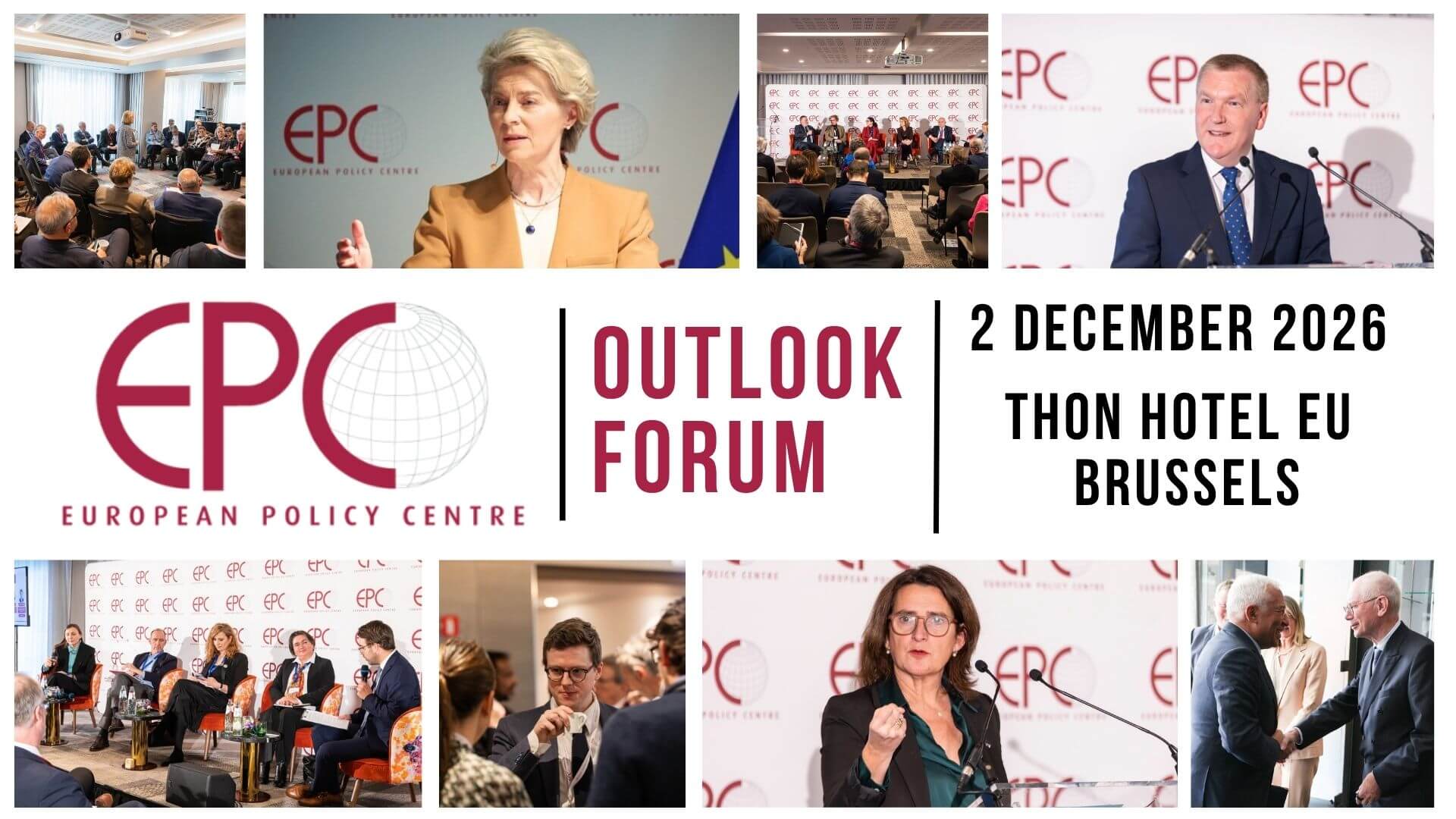
Inaugural EPC Outlook Forum