

EVENT
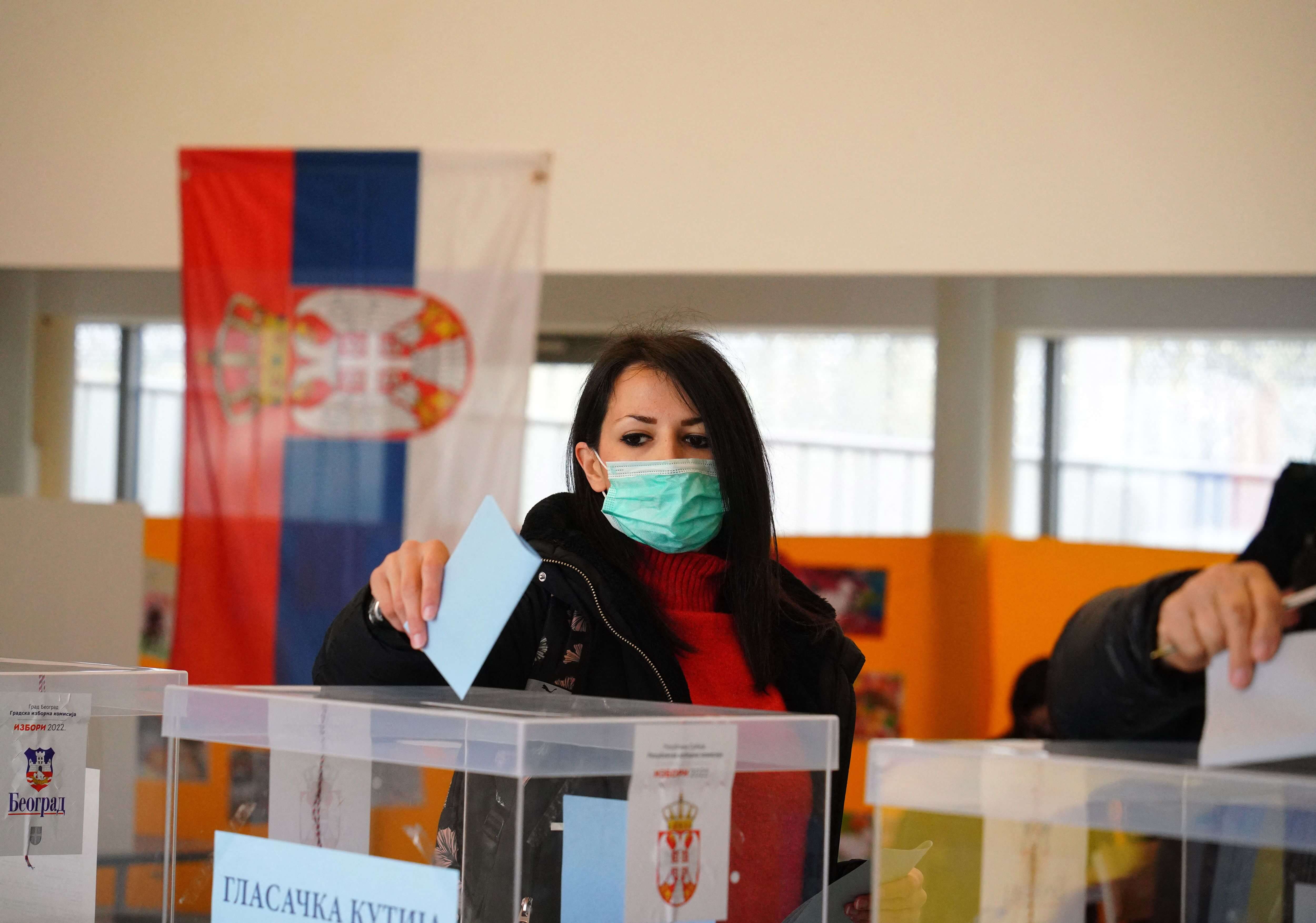
Last year’s electoral victories by Emmanuel Macron in France and Mark Rutte in the Netherlands seemed to provide breathing space for a more sober appraisal of the populist phenomenon. But since then, the significant gains made by anti-establishment and right-wing radical parties in the latest German, Italian and Swedish elections have sparked a return to the ‘rise of populism’ discourse that dominated 2016 and early 2017, when Brexit and Trump were the words of the hour. More than ever in the post-war era, populist parties are doing well at the polls and are becoming part of mainstream politics in many western democracies. At this Policy Dialogue, panellists talked about possible explanations for the success of populism in various EU member states, and around the globe, and whether or not that poses a threat to liberal democracy. The report ‘Return to the politically abandoned: Conversations in right-wing populist strongholds in Germany and France’, published by Das Progressive Zentrum (DPZ), an independent German think tank, fed into the discussion about the roots of support for right-wing populist parties in France and Germany.
Speakers included: Julian Rappold, Connecting Europe Project Leader at the European Policy Centre, Dominic Schwickert, Head of Das Progressive Zentrum, Claudia Huber, Alfred Herrhausen Gesellschaft, Johannes Hillje, Policy Fellow, Das Progressive Zentrum, Paul Nemitz, Principal Advisor, DG Justice and Consumers, European Commission, Corina Stratulat, Head of the European Politics and Institutions programme and Senior Policy Analyst at the EPC, Beatriz Rios, Reporter, Euractiv,