SHARE:


Health Council Briefing and EU Presidency priorities 2020-12-16
PAST
EVENT
EVENT
Dec 16, 2020

On 2 December, at the Employment, Social Policy, Health and Consumer Affairs Council (EPSCO) meeting, European health ministers reflected on the lessons learned from the COVID-19 pandemic and looked into ways of improving Europe’s resilience to health threats. Both the ongoing German Presidency and the incoming Portuguese Presidency recognise the importance of combatting the current public health crisis and strengthening the EU’s preparedness and crisis management, while also boosting research and innovation and reaping the benefits of digital transformation in the health sector.
This CHES online Policy Dialogue looked at the Portuguese priorities for its upcoming Council Presidency in the health area for the upcoming six months. Mr João Lança, Regional Affairs (Azores) and Health Technical Counsellor, Permanent Representation of Portugal to the EU, provided an overview of the pillars that will shape the work of the Portuguese Council Presidency in the coming months and described the major health-related targets, not least, better access to medicines, reinforced EU ability to cope with public health crises, European Health Data Space and increased digital health skills.
Moderator
Speakers
Partners
The European Migration and Diversity (EMD) Programme provides independent expertise on European migration and asylum policies. The EMD Programme's analyses seek to contribute to sustainable and responsible policy solutions and are aimed at promoting a positive and constructive dialogue on migration and mobility.
The Programme follows the policy debate and conducts analysis taking a multidisciplinary approach, examining both the legal and political aspects shaping European migration policies. EMD analysts focus, amongst other topics, on the reform of the Common European Asylum System; the management of the EU’s external borders and the Schengen governance; cooperation with countries of origin and transit; the integration of beneficiaries of international protection and mobile persons into host societies; the links between migration and populism; the development of resettlement and legal pathways; and the EU''s free movement acquis. The EMD team benefits from a strong network of academics, NGO representatives and policymakers, who contribute regularly to publications and policy events.

The Social Europe and Well-being Programme (SEWB) is dedicated to achieving a stronger Social Europe fit to address the social, environmental, economic and political challenges facing the Union today. It focuses on policies that prioritise strong and resilient healthcare systems; modern and inclusive labour markets; eradicating inequalities; investing in the health and well-being of people; making European welfare states and social protection systems fit for the future.

Coming next
Oct 28, 2026
14:00 - 15:30

Hybrid
Oct 29, 2026
11:00-12:30
Hybrid

Nov 06, 2026
12:30 - 13:30

In Person

Nov 12, 2026
09:00 - 10:00

Online

Dec 02, 2026
14:00-18:30
In Person
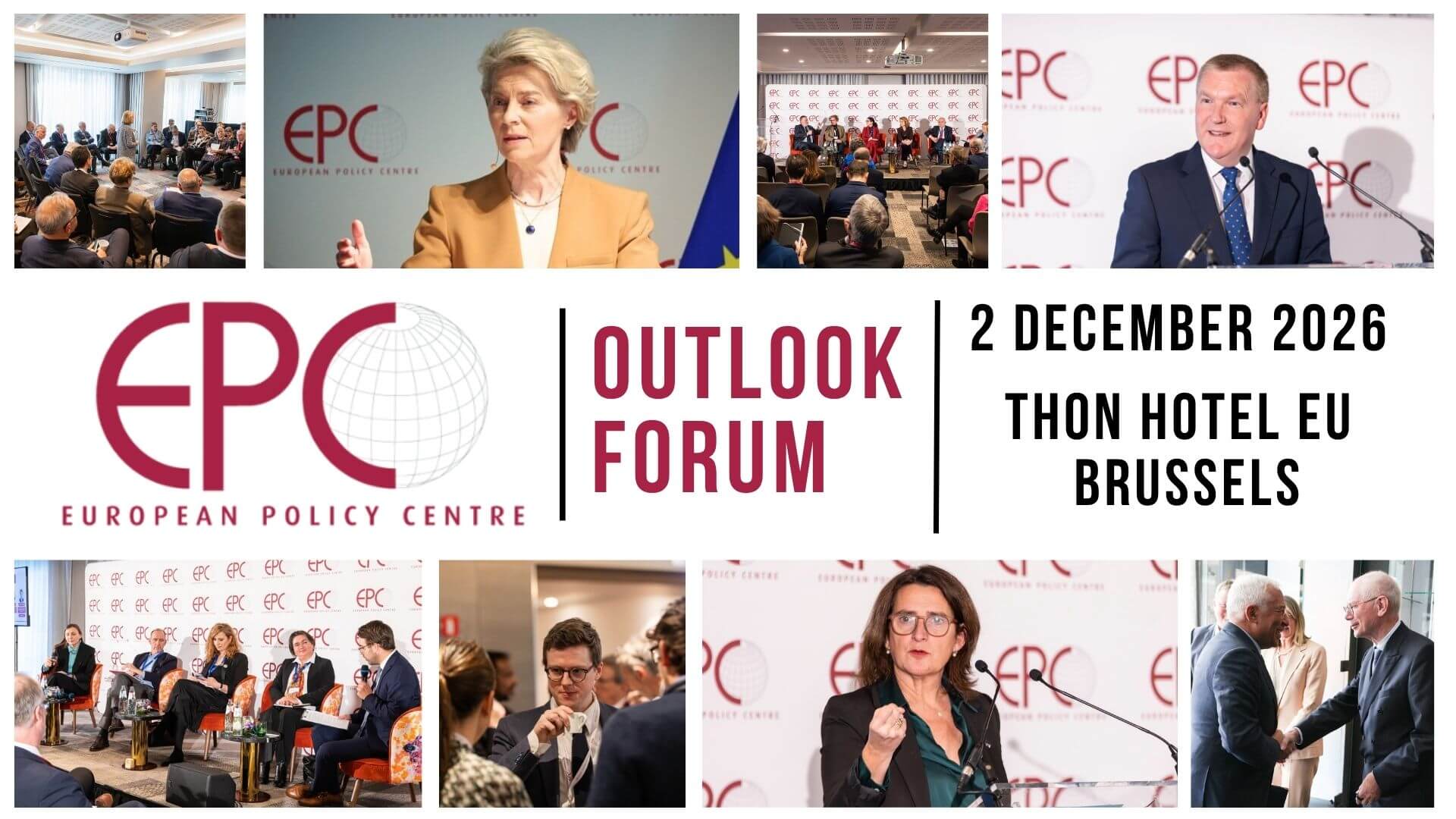
Inaugural EPC Outlook Forum