EVENT
 In Person
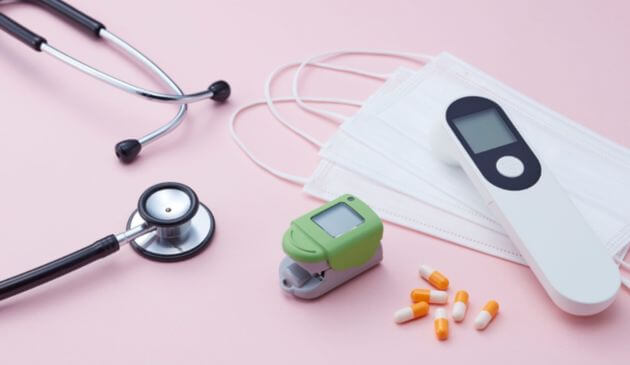
Chronic diseases account for up to 80% of all healthcare spending in the EU, placing growing pressure on healthcare systems, health workforces and public finances. While prevention is widely recognised as essential to addressing this challenge, many prevention policies fail to deliver in practice. A key reason is that they are often designed without sufficient regard for people’s lived realities. When recommendations feel unrealistic or unmanageable, they can increase stress and push individuals past a tipping point, leading them to disengage and adopt coping behaviours. Over time, this dynamic not only weakens public health outcomes but also erodes policy credibility and trust in institutions.
Despite widespread recognition of prevention’s strong return on investment, in 2025 only three European Semester Country-Specific Recommendations encourage reforms in this area. The Semester’s current emphasis on social convergence and human capital offers a timely opportunity to rethink how prevention is financed and governed across the EU. At the same time, innovation within industries associated with health risks presents new possibilities to improve healthy choices, complement public health strategies and support behavioural change at scale.
This Policy Dialogue will explore how the EU and its member states can redesign prevention policies, as well as fiscal and innovation frameworks, to better reflect behavioural realities and identify levers to scale promising approaches. It will bring together EU policymakers and public health experts to share best practices and foster debate. The session will be introduced by Elizabeth Kuiper, Head of the Health and Societal Resilience Programme and Associate Director at the EPC, and will include a scientific perspective from experienced oncologist Dr Peter Harper.
This event welcomes the participation of EPC member organisations, EU institutions and media.
For media enquiries, please contact media@epc.eu.
For other queries, please contact events@epc.eu.