

EVENT
 Online
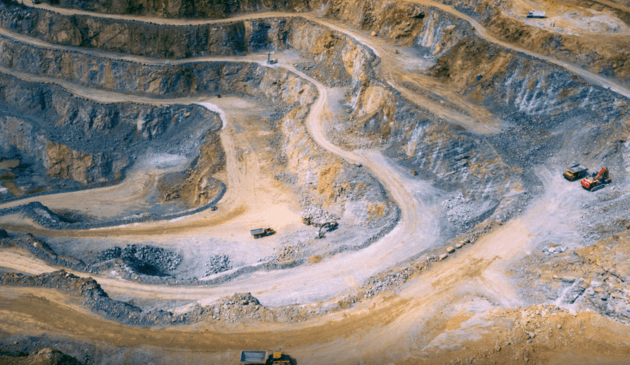
Europe’s green transition is accelerating, but so are the political risks behind it. As the EU moves to secure access to critical raw materials, the Western Balkans, a hotspot for lithium, copper, nickel and potentially rare earths, emerged as a strategic partner. This positioning was formalised through the Critical Raw Materials Act and the EU–Serbia strategic partnership on raw materials, even as some projects remain controversial for their potential environmental damage, while others are seen as essential to the green transition.
Many mining projects – including the proposed Jadar lithium project – are unfolding in governance systems marked by weak rule of law, limited transparency and growing political centralisation. In this context, extraction is not only an economic opportunity for the region; it is becoming a test of democratic resilience and enlargement credibility.
If poorly governed, mining risks reinforcing patterns of authoritarian extractivism. If managed well, however, it could instead serve as a lever for strengthening the rule of law, improving transparency and embedding public participation at the core of EU engagement.
This Policy Dialogue, co-organised by the European Policy Centre, its Connecting Europe project and the Balkans in Europe Policy Advisory Group (BiEPAG), will discuss the tension building on the findings of the recent BiEPAG policy brief, “Mining in the Western Balkans: How to counter authoritarian extractivism?”.
This event will take place exclusively online.
This event welcomes the participation of EPC member organisations, Connecting Europe partners, EU officials and media.
For media enquiries, please contact media@epc.eu.
For other queries, please contact events@epc.eu.