SHARE:


Post-Summit Briefing 2017-03-27
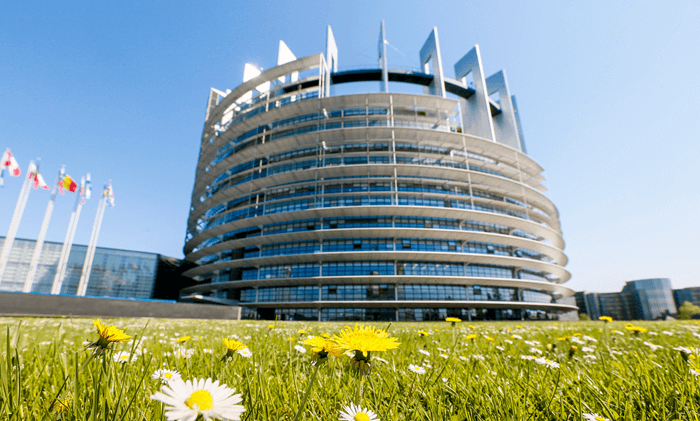
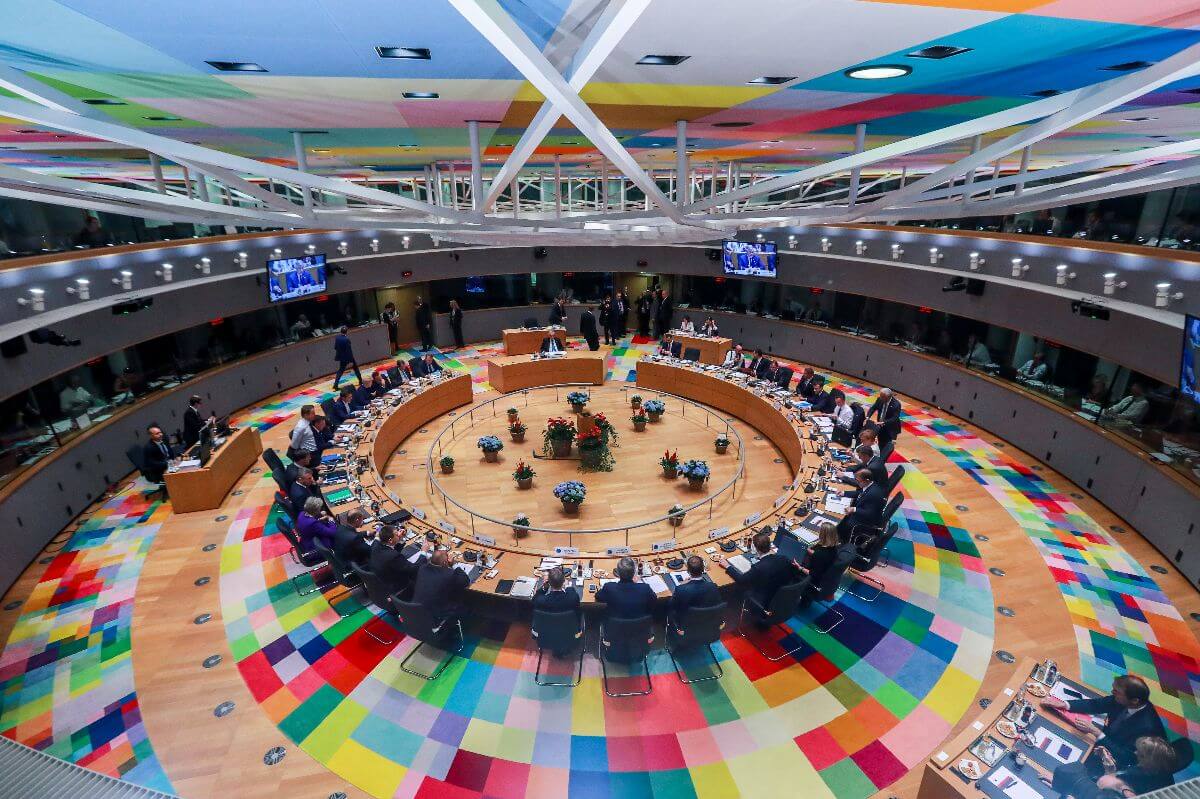
EU leaders met on 25 March to commemorate the 60th Anniversary of the Treaty of Rome and to show the way forward in the years to come. The draft document prepared in view of the Rome Declaration states that the EU27 must show that the European Union is “capable of addressing the challenges of a rapidly changing world” and that they are “determined to make the EU stronger and more resilient”. However, the EU27 remain divided on many issues and there is still a lot of distrust. At this Post-Summit Briefing, EPC Chief Executive Fabian Zuleeg and Director of Studies Janis A. Emmanouilidis analysed the outcome of the Rome Summit, and discussed the challenges ahead, as well as potential next steps.
The European Migration and Diversity (EMD) Programme provides independent expertise on European migration and asylum policies. The EMD Programme's analyses seek to contribute to sustainable and responsible policy solutions and are aimed at promoting a positive and constructive dialogue on migration and mobility.
The Programme follows the policy debate and conducts analysis taking a multidisciplinary approach, examining both the legal and political aspects shaping European migration policies. EMD analysts focus, amongst other topics, on the reform of the Common European Asylum System; the management of the EU’s external borders and the Schengen governance; cooperation with countries of origin and transit; the integration of beneficiaries of international protection and mobile persons into host societies; the links between migration and populism; the development of resettlement and legal pathways; and the EU''s free movement acquis. The EMD team benefits from a strong network of academics, NGO representatives and policymakers, who contribute regularly to publications and policy events.

The EPC’s Europe’s Political Economy Programme (EPE) focuses on EU economic governance, the single market, and digital, industrial, energy, trade, and economic security policies amid significant geo-economic and technological shifts. In a world of rising geopolitical competition and a fragmenting economy, the EPE has been at the forefront of research on Europe’s competitiveness agenda, the "triple" green, digital and economic security transitions and "wartime economy". The EPE's cross-programme flagship initiative, the Brussels Economic Security Forum, examines EU-US-China dynamics, changing international economic rules and statecraft, as well as related EU policy challenges. As fast-advancing components of economic security, critical emerging technologies in clean tech, semiconductor and AI value chains and quantum are priority areas of focus. Using its convening power and multistakeholder taskforce model, the Programme aims to provide in-depth analysis and actionable recommendations to tackle key policy challenges. The EPE team comprises a diverse group of analysts with backgrounds from government, the private sector, academia, and journalism, bringing a broad range of expertise to its work.

Coming next
Oct 28, 2026
14:00 - 15:30

Hybrid
Oct 29, 2026
11:00-12:30
Hybrid

Nov 06, 2026
12:30 - 13:30

In Person

Nov 12, 2026
09:00 - 10:00

Online

Dec 02, 2026
14:00-18:30
In Person
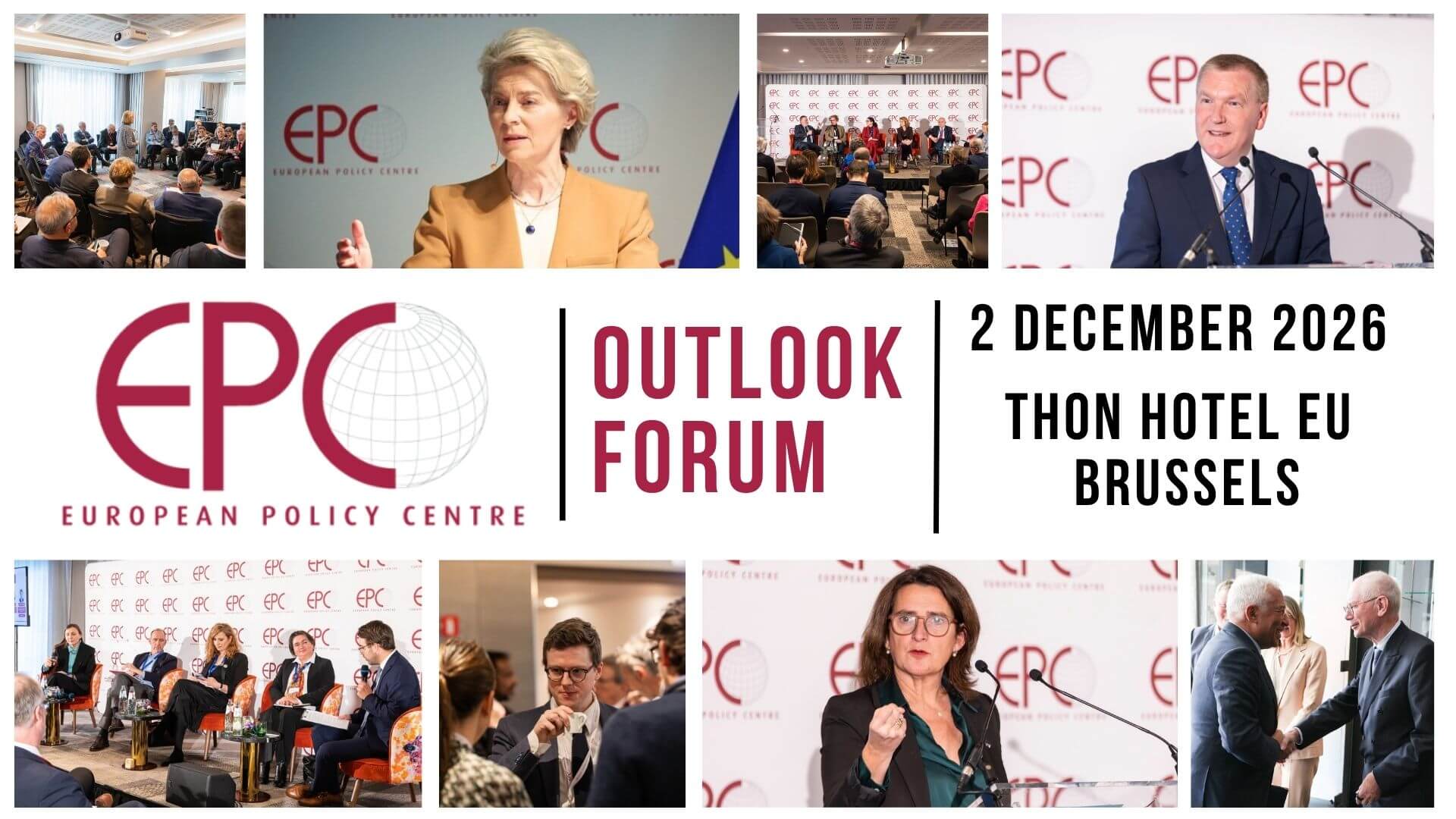
Inaugural EPC Outlook Forum