

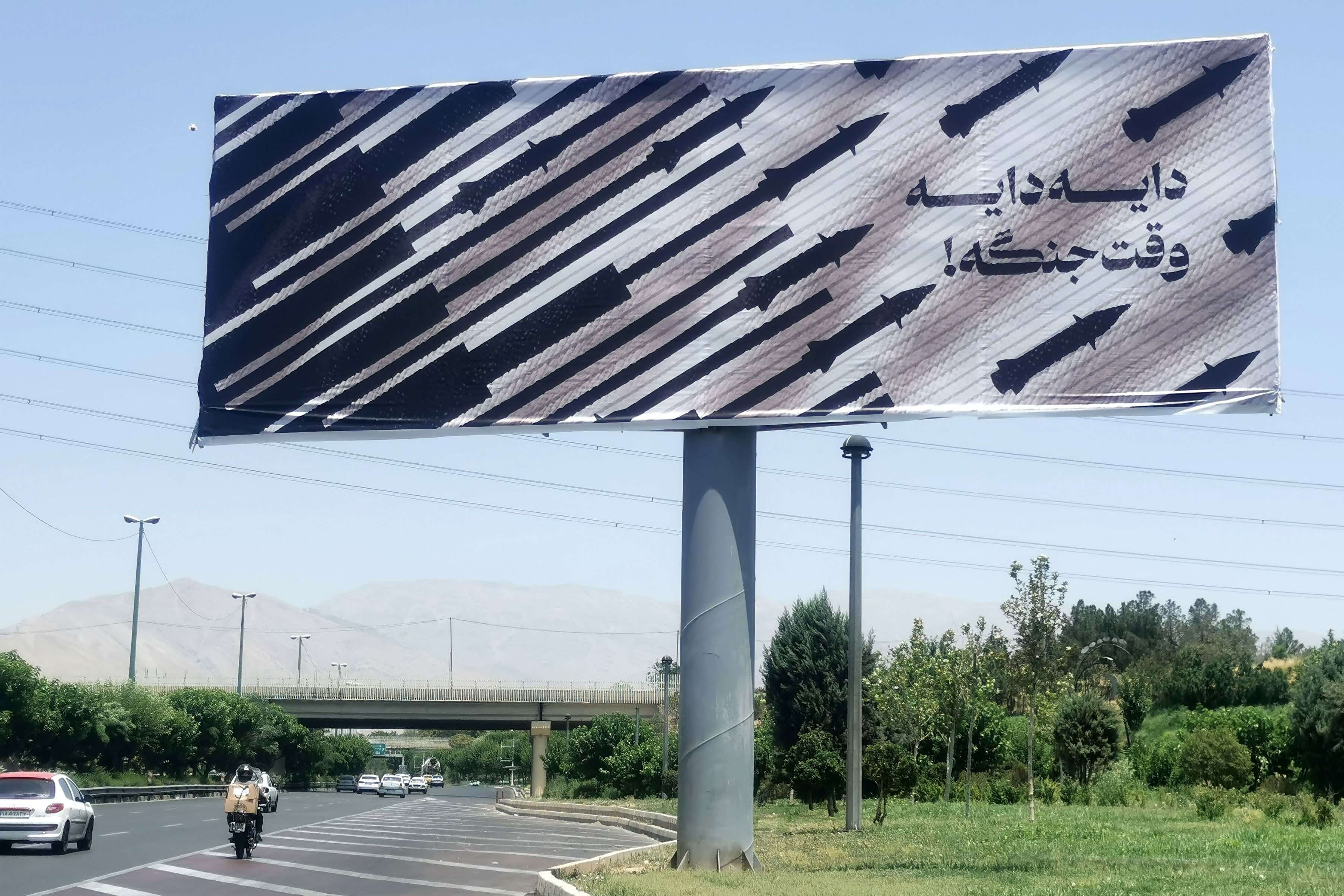





The Israel-Iran 12-Day War Compendium brings together insights from EPC analysts on the fallout from the Iran-Israel war and the significant changes the Middle East is experiencing. This compilation was published at a point of uncertainty over whether the ceasefire announced by the US on 24 June 2025 would hold.
Almut Möller writes about Europe’s role in the Israel-Iran conflict—its diplomatic ineffectiveness leading up to the conflict, it’s strategic interests in the region, and the need to take on a constructive role post-ceasefire. Europe has no choice but to engage, as difficult as this is, given vital interests in the neighbouring region.
Paul Taylor comments on the fraught history of Western intervention in the Middle East and the abysmal track record of regime change there. With few viable options to replace Iran’s Mullahs, he warns against repeating the mistakes of the past.
Amanda Paul analyses Türkiye’s position in an unstable region, its efforts to balance strategic interests between antagonistic neighbours, its diplomatic efforts to find a quick end to the conflict, and the fallout from and reaction to another conflagration on its borders.
Juraj Majcin details the challenges of arms control in the region, explaining why the nuclear question continues to loom large over the future of the region. Effective arms control and non-proliferation regimes are a necessity, but continue to remain out of reach.
Svitlana Taran discusses the effects of the Israel-Iran conflict on Ukraine, and Russia’s response to the conflict. While the result of a weakened Iran may be a slight weakening of Russia’s ability to sustain its invasion of Ukraine, the diversion of attention and resources from Ukraine’s defence further undermines European security.
Ivano di Carlo and Elixabete Arrieta explain the position of China vis-à-vis the Israel-Iran war, noting that a cautious and non-committal approach may pay strategic dividends as the US potentially get bogged down in yet another Middle East conflict.
Finally, Mihai Sebastian Chihaia asks what comes next in the Middle East. Will the Iranian government now race for a nuclear weapon, or will a diplomatic solution be found? The EU may have an opening to play an important role in the region, as attention shifts back to Iran’s nuclear programme and Israel’s war in Gaza.
The support the European Policy Centre receives for its ongoing operations, or specifically for its publications, does not constitute an endorsement of their contents, which reflect the views of the authors only. Supporters and partners cannot be held responsible for any use that may be made of the information contained therein.