SHARE:


Black Lives Matter: Europe’s anti-racism moment?
PAST
EVENT
EVENT
Jul 16, 2020
14:00 - 15:00
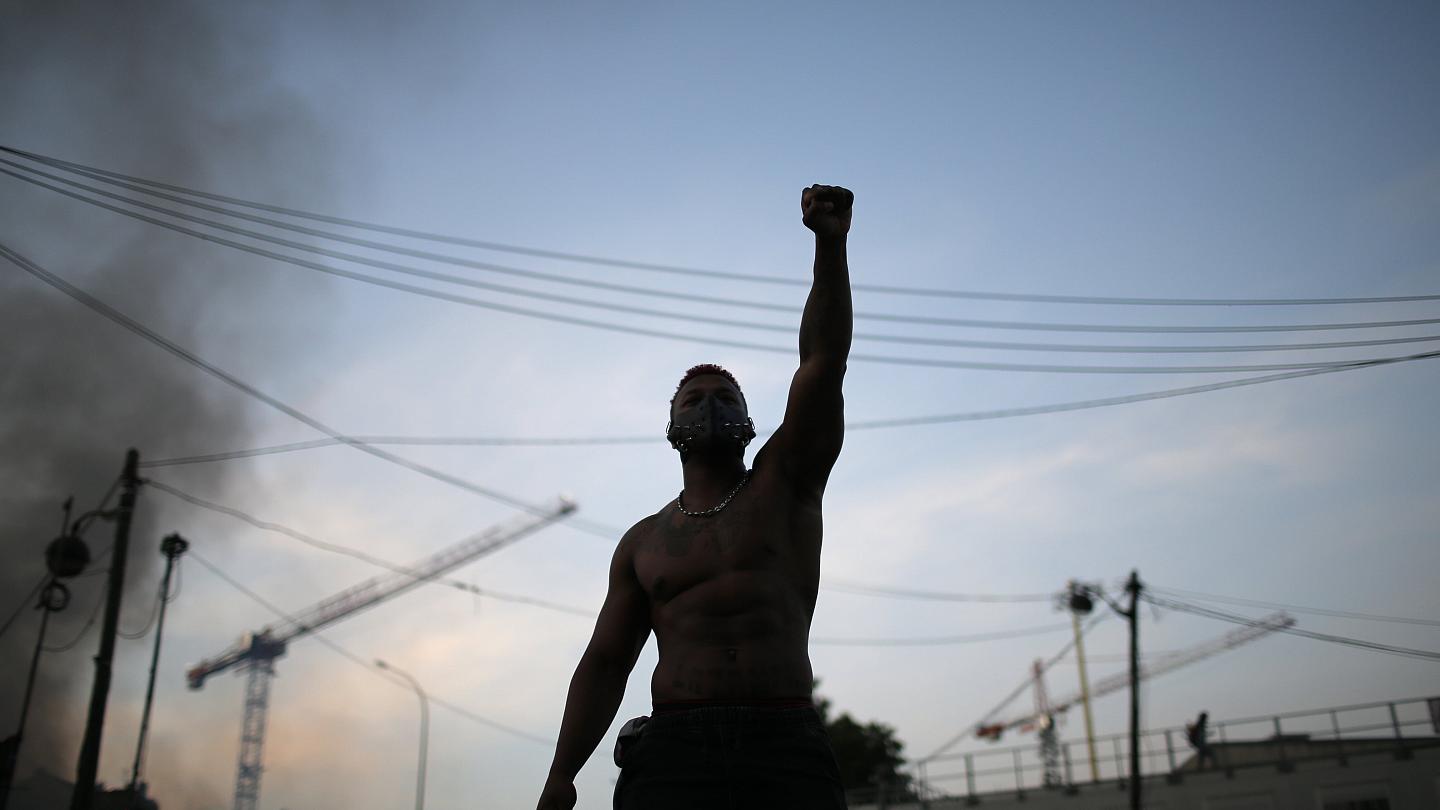
In June 2020, protests around the world moved racism, police brutality and discrimination up the Europe’s political agenda. Despite a series of instruments and legislation over the past 20 years, structural racism remains a pervasive challenge in Europe. As European Commissioner for Home Affairs Ylva Johansson noted, many still hold the wrong view that being European means being white.
This discussion sought to take stock of Europe-wide efforts to address discrimination and institutional racism, discuss structural barriers remaining, and what steps European institutions should take to strengthen these efforts. Speakers stressed the need to acknowledge racism as a structural, not individual, issue. As such, policies and legislation should seek to address the systems and institutions in place beyond providing redress for specific incidents of racism. Commissioner Johansson stated that being colour-blind is not enough; rather, positive action is needed, including within European institutions’ hiring practices. In addition, the collection of equality data disaggregated by race or ethnicity was highlighted as a critical recommendation to understand the scale of the discrimination still at play.
Other points discussed include the need to tackle anti-migrant and racist narratives, which hinder integration and inclusion of newly arrived migrants; the need for the EU to support member states in addressing police abuse, discrimination and violence; better implementation of existing EU anti-discrimination legislation such as the Racial Equality Directive from 2000; and the urgency posed by the Covid-19 pandemic’s disproportionate impact on racialised communities.
Moderator
Speakers
The European Migration and Diversity (EMD) Programme provides independent expertise on European migration and asylum policies. The EMD Programme's analyses seek to contribute to sustainable and responsible policy solutions and are aimed at promoting a positive and constructive dialogue on migration and mobility.
The Programme follows the policy debate and conducts analysis taking a multidisciplinary approach, examining both the legal and political aspects shaping European migration policies. EMD analysts focus, amongst other topics, on the reform of the Common European Asylum System; the management of the EU’s external borders and the Schengen governance; cooperation with countries of origin and transit; the integration of beneficiaries of international protection and mobile persons into host societies; the links between migration and populism; the development of resettlement and legal pathways; and the EU''s free movement acquis. The EMD team benefits from a strong network of academics, NGO representatives and policymakers, who contribute regularly to publications and policy events.

Coming next
Nov 23, 2026
14:00 - 15:30

Online

Nov 24, 2026
10:00 - 11:30

In Person
Nov 26, 2026
10:00 - 11:15
Online

Dec 02, 2026
14:00-18:30
In Person
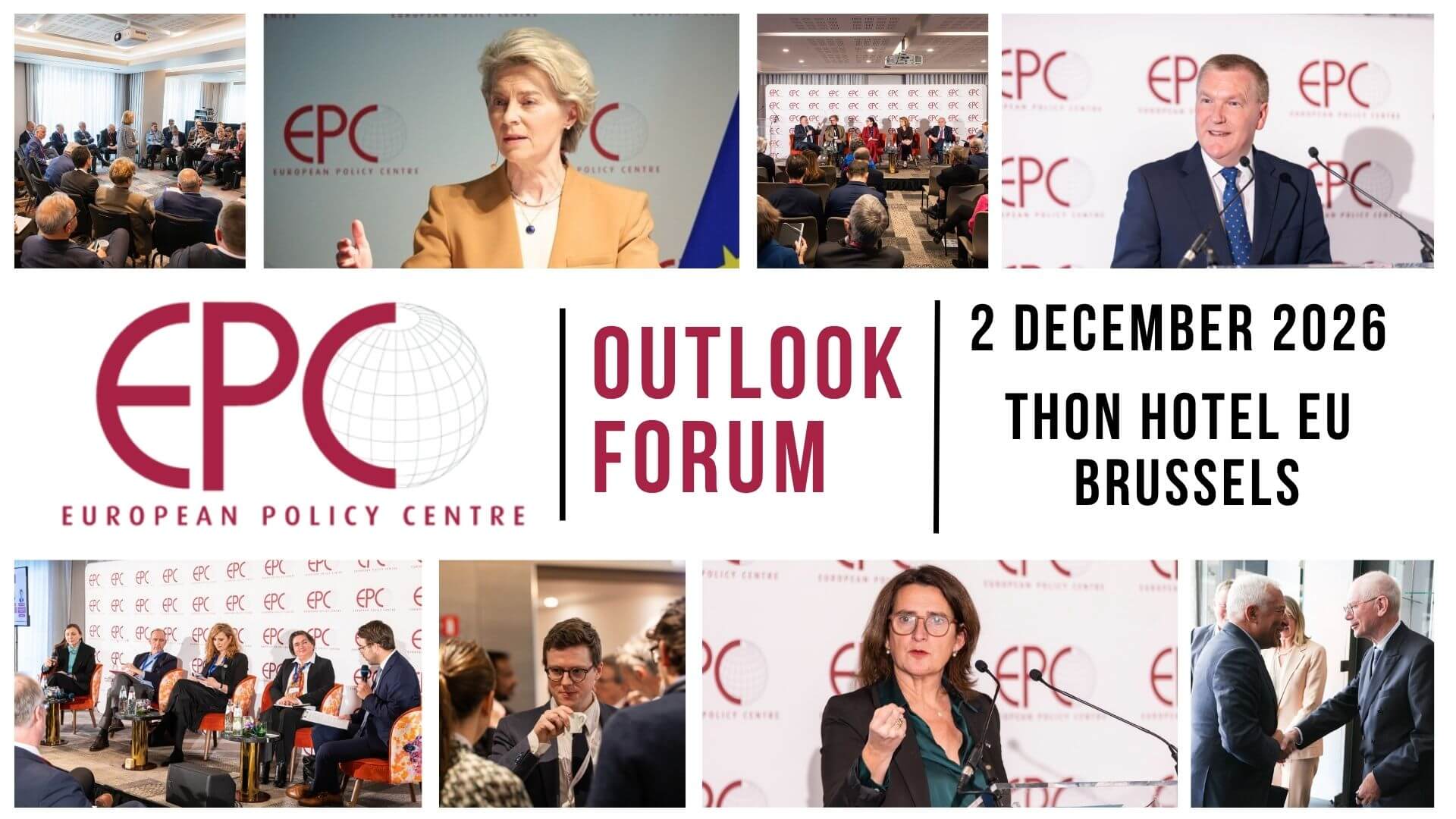
Inaugural EPC Outlook Forum
Dec 03, 2026
09.00 - 10.00
In Person