SHARE:


EPC Fortnightly Update
PAST
EVENT
EVENT
Nov 12, 2020
14:30 - 15:30
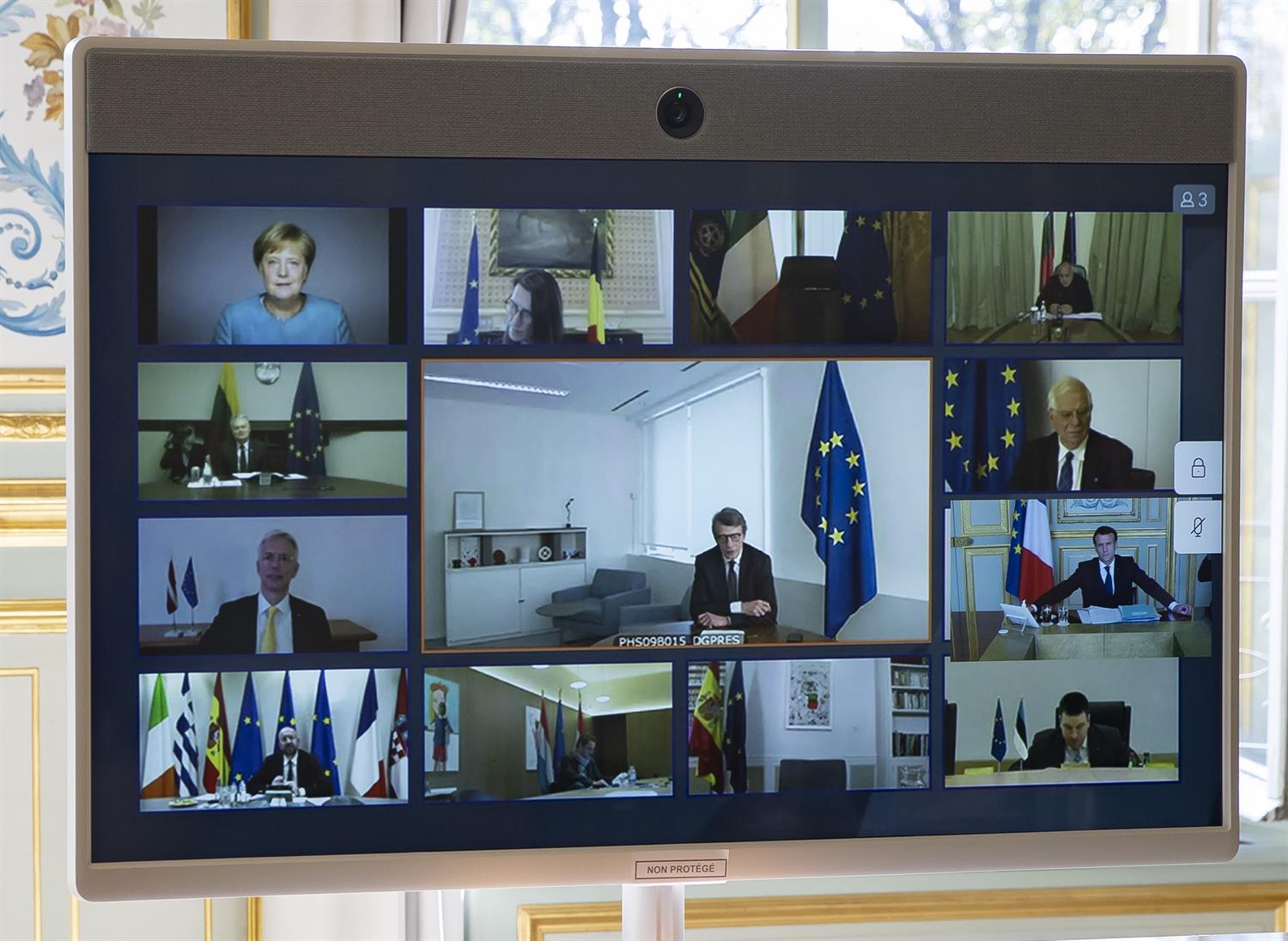
EPC Director of Studies Janis A. Emmanouilidis, EPC Policy Analyst Laura Rayner and EPC Chief Executive Fabian Zuleeg will cover a number of topics divided into two main parts. The first part will be devoted to three main issues: firstly, the outcome of the US presidential elections and its potential political, economic and geopolitical consequences for the future of the transatlantic relationship. Secondly, given the current state of negotiations between the EU and the UK, we will discuss the prospects for an agreement and whether there are any signs that both sides can strike a deal, or whether we will, in the end, find ourselves at an impasse facing the long-term effects of a no-deal scenario. Thirdly, following the recent agreement between the European Parliament and the Council on the new Rule of Law mechanism, we will evaluate the new mechanism and discuss how this compromise will affect the inter-institutional negotiations on the Multi-annual Financial Framework/recovery package.
The second part of this EPC Update will address the prospects for the EU’s social dimension in the light of the global pandemic. How should social aspects be reflected in the developing system of economic goverance, especially in view of the implementation of the recovery package? Do the consequences of the COVID-19 crisis require a full revision of the Stability and Growth Pact and is there a need to exempt long-term future-oriented public investments from the strict spending rules? Has the European Commission finally been given the appropriate ‘sticks’ in the implementation of the European Semester and will it actually dare to use them when evaluating the upcoming national recovery and resilience plans?
PLEASE CLICK HERE TO REGISTER
Moderator
Speakers
The European Politics and Institutions Programme covers the EU’s institutional architecture, governance and policymaking to ensure that it can move forward and respond to the challenges of the 21st century democratically and effectively. It also monitors and analyses political developments at the EU level and in the member states, discussing the key questions of how to involve European citizens in the discussions over the Union’s future and how to win their support for European integration. The Programme has a special focus on enlargement policy towards the Western Balkans, questions of EU institutional reform and illiberal trends in European democracies.

The EPC’s Europe’s Political Economy Programme (EPE) focuses on EU economic governance, the single market, and digital, industrial, energy, trade, and economic security policies amid significant geo-economic and technological shifts. In a world of rising geopolitical competition and a fragmenting economy, the EPE has been at the forefront of research on Europe’s competitiveness agenda, the "triple" green, digital and economic security transitions and "wartime economy". The EPE's cross-programme flagship initiative, the Brussels Economic Security Forum, examines EU-US-China dynamics, changing international economic rules and statecraft, as well as related EU policy challenges. As fast-advancing components of economic security, critical emerging technologies in clean tech, semiconductor and AI value chains and quantum are priority areas of focus. Using its convening power and multistakeholder taskforce model, the Programme aims to provide in-depth analysis and actionable recommendations to tackle key policy challenges. The EPE team comprises a diverse group of analysts with backgrounds from government, the private sector, academia, and journalism, bringing a broad range of expertise to its work.

Coming next
Nov 23, 2026
14:00 - 15:30

Online

Nov 24, 2026
10:00 - 11:30

In Person
Nov 26, 2026
10:00 - 11:15
Online

Dec 02, 2026
14:00-18:30
In Person
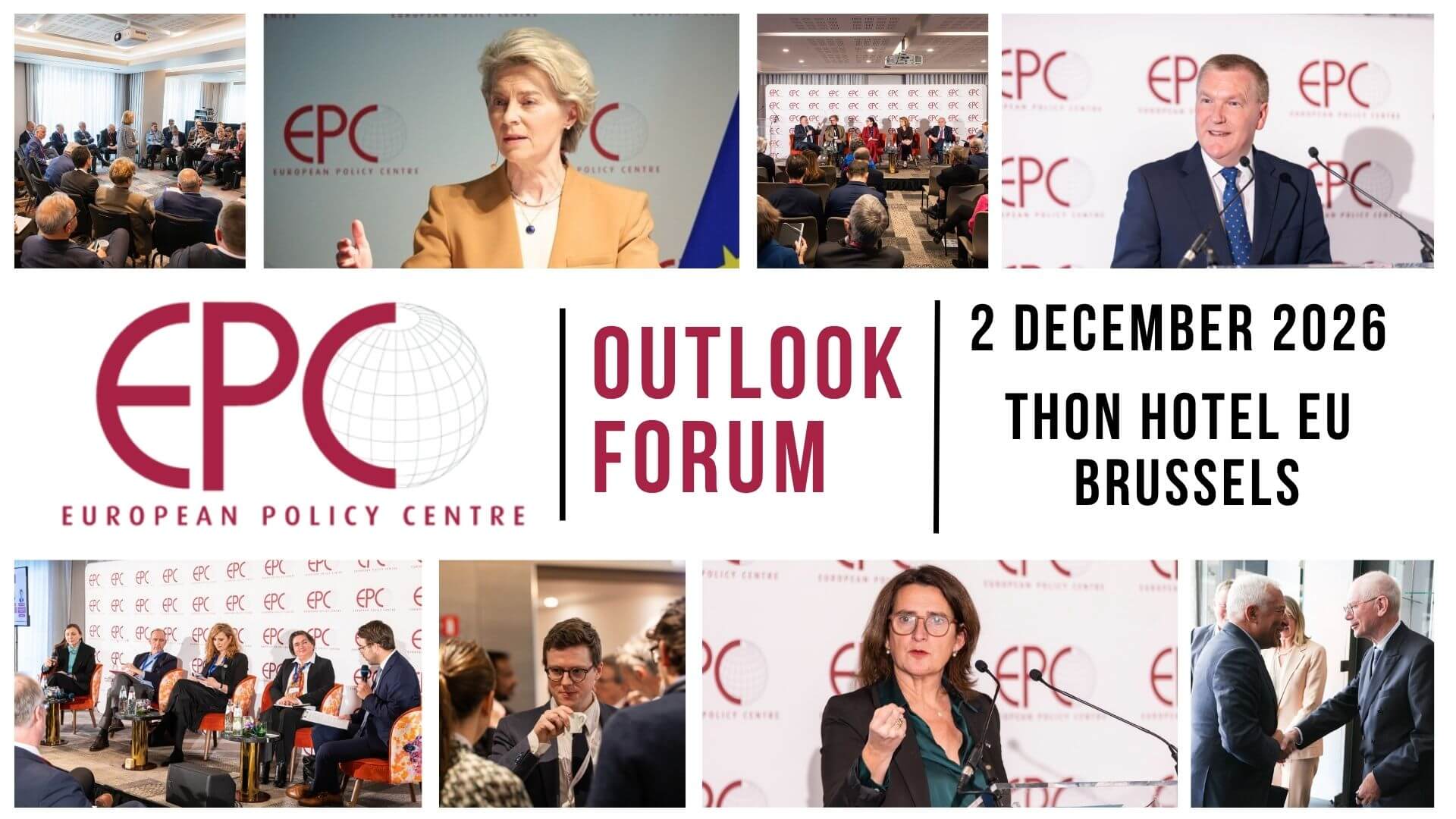
Inaugural EPC Outlook Forum
Dec 03, 2026
09.00 - 10.00
In Person