EVENT
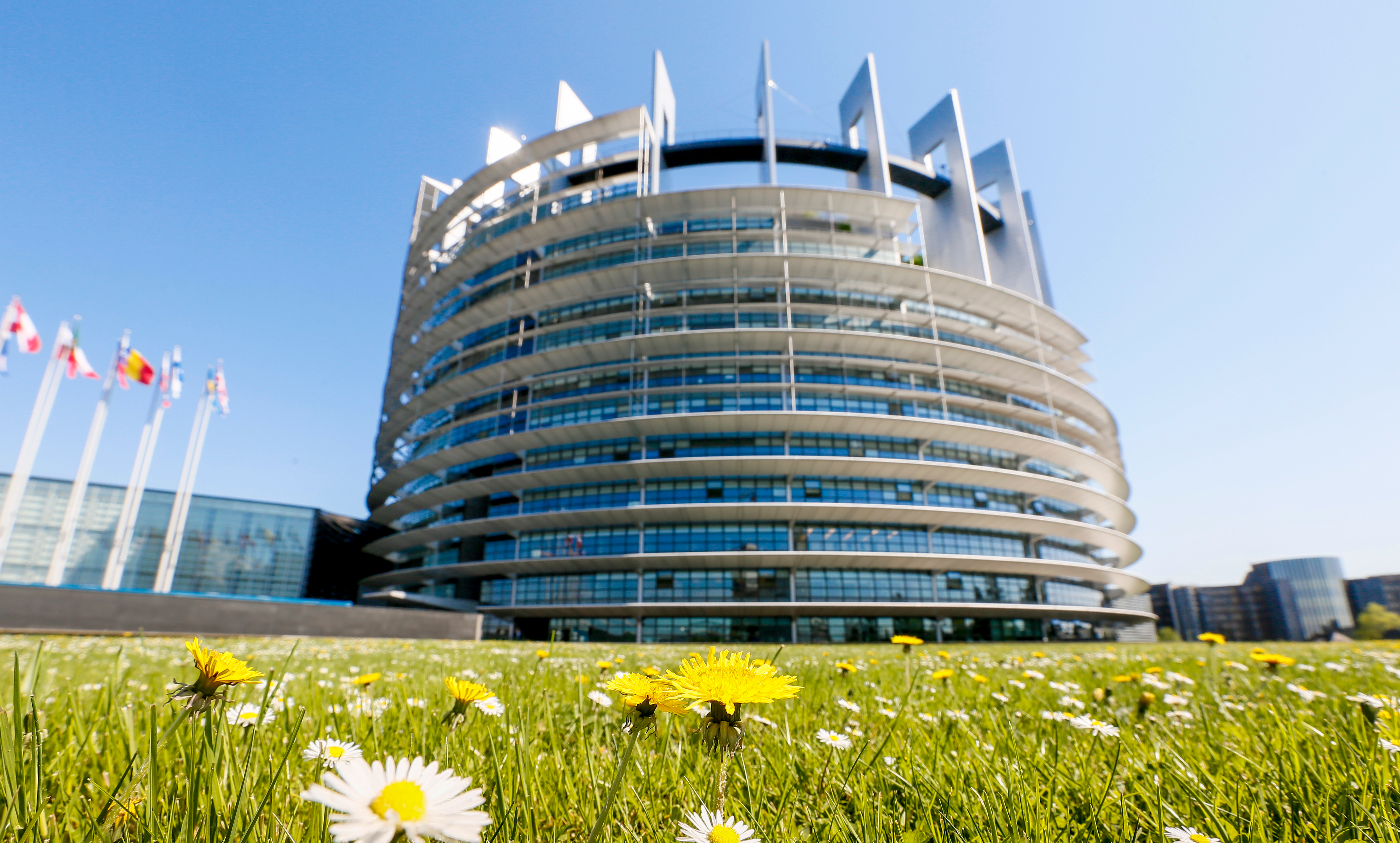
The European Union is founded on the principles of liberty, democracy, respect for human rights and fundamental freedoms and the rule of law. However, as the experience of recent years has demonstrated, these values are not immune to attacks from the member states. In Hungary, under Prime Minister Victor Orbán, the freedom of the press and the independence of the judiciary have been steadily eroded. Since its election in 2015, the Polish government has followed Orbán’s example. The contentious reform of Poland’s judicial system has even led the European Commission to call for the initiation of legal proceedings under Article 7 of the Treaty on the European Union, which would suspend the country’s voting rights in the Council. In September, the European Parliament voted to trigger Article 7 also in relation to Hungary. Yet the EU’s response so far has had little bearing on the positions of these two member states, while similar political dynamics are emerging elsewhere across the Union.
At this Policy Dialogue, a panel of experts talked about the reasons for the illiberal democratic tendencies in Poland and Hungary, the situation on the ground and how civil society is affected. How serious is the risk of contagion spreading to other member states? What can be done better at national and European levels to enforce democratic standards and obligations in the member states that enjoy the benefits of EU membership?
Speakers included: Peter Kreko, Executive Director, Political Capital, Malgorzata Szuleka, Lawyer and projects coordinator, Helsinki Foundation for Human Rights, Nicolaas Bel, Policy Officer, Unit C1 – Justice Policy and Rule of Law, DH JUST, European Commission, Petra Bard, Researcher and Visiting Professor, Central European University, Poland.