SHARE:


How to rethink EU trade policy for a post-COVID world?
PAST
EVENT
EVENT
Jul 01, 2020
13:00 - 14:00
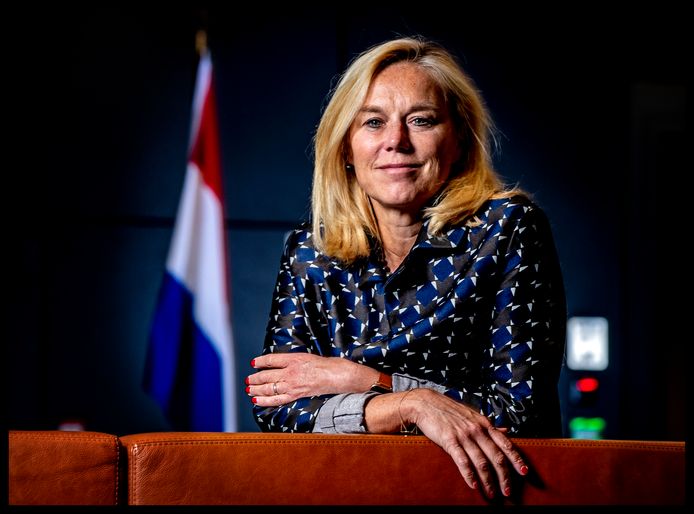
The current COVID-19 pandemic is forcing us to rethink how we do business, trade, and ensure the well-being of our citizens. There is no doubt that the pandemic is significantly affecting international trade and value chains. The crisis also seems to have reinforced some of the trade challenges that Europe was already facing before COVID-19, such as protectionism and additional tariffs. It has also reinvigorated the debate around the re-shoring of manufacturing, the need to reduce dependency and ensure resilient value chains, as well as the importance of sustainable trade.
In May 2020, the Netherlands and France released a non-paper calling for a strengthening of EU trade policy in a number of areas, including sustainable development and in better assessing the socio-economic impact of trade agreements. The European Commission also announced in June 2020 a major review of EU trade policy. How will COVID-19 impact international trade? How should EU trade policy adapt to a post-COVID world? Will Europe be able to strike the delicate balance between protecting its interests and values more actively, while avoiding protectionism? And what concrete role should EU trade policy play in ensuring more resilient value chains and sustainable trade?
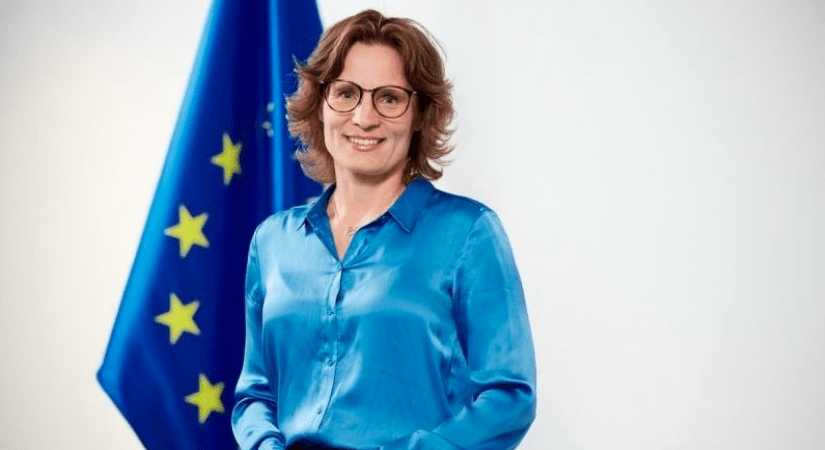
Sigrid Kaag is the Dutch Minister for Foreign Trade and Development Cooperation. The online event will be moderated by Fabian Zuleeg, Chief Executive of the European Policy Centre.
Moderator
Speaker
The EPC’s Europe’s Political Economy Programme (EPE) focuses on EU economic governance, the single market, and digital, industrial, energy, trade, and economic security policies amid significant geo-economic and technological shifts. In a world of rising geopolitical competition and a fragmenting economy, the EPE has been at the forefront of research on Europe’s competitiveness agenda, the "triple" green, digital and economic security transitions and "wartime economy". The EPE's cross-programme flagship initiative, the Brussels Economic Security Forum, examines EU-US-China dynamics, changing international economic rules and statecraft, as well as related EU policy challenges. As fast-advancing components of economic security, critical emerging technologies in clean tech, semiconductor and AI value chains and quantum are priority areas of focus. Using its convening power and multistakeholder taskforce model, the Programme aims to provide in-depth analysis and actionable recommendations to tackle key policy challenges. The EPE team comprises a diverse group of analysts with backgrounds from government, the private sector, academia, and journalism, bringing a broad range of expertise to its work.

Coming next
Nov 23, 2026
14:00 - 15:30

Online

Nov 24, 2026
10:00 - 11:30

In Person
Nov 26, 2026
10:00 - 11:15
Online
Dec 02, 2026
14:00-18:30
In Person
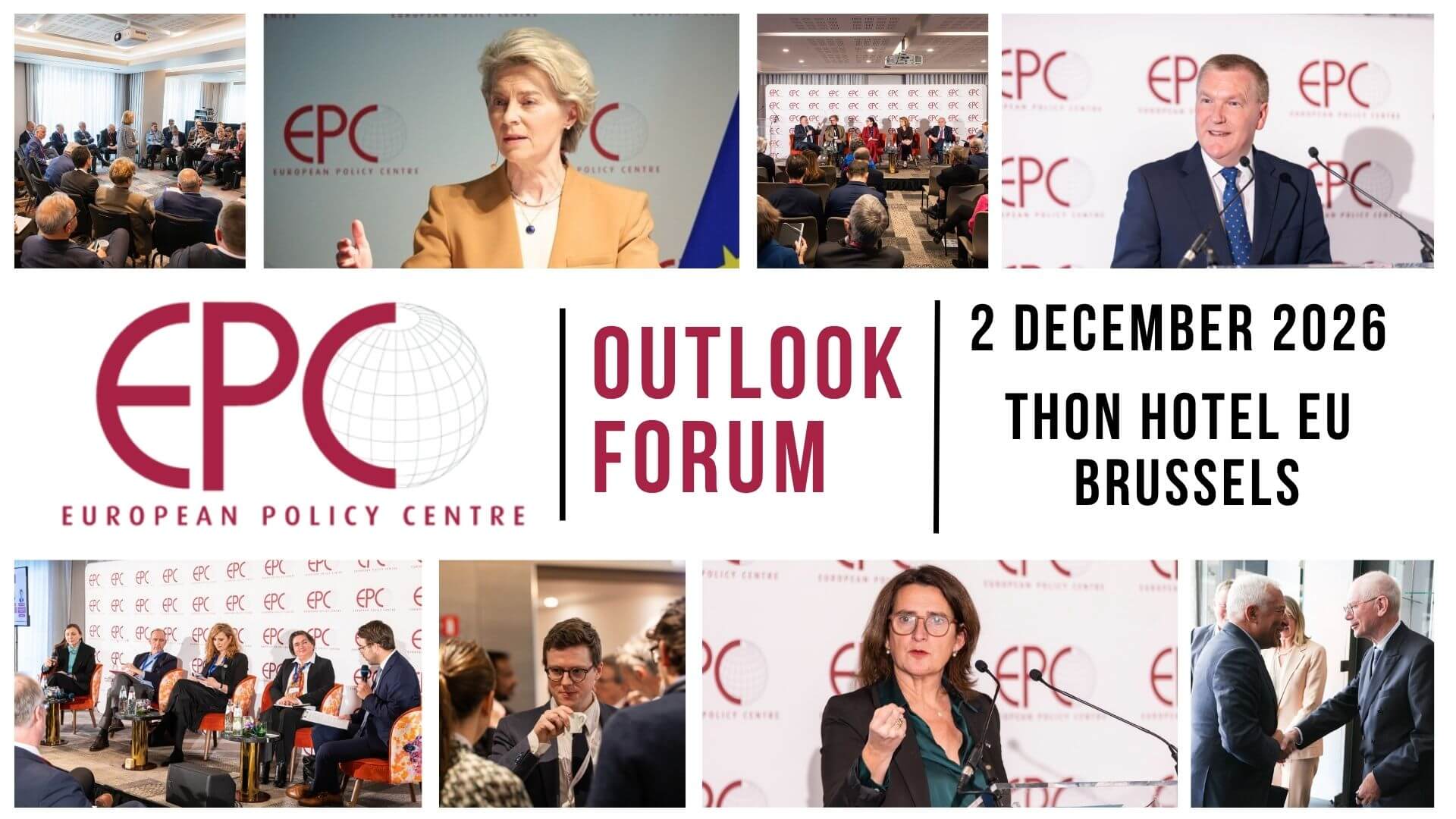
Inaugural EPC Outlook Forum
Dec 03, 2026
09.00 - 10.00
In Person