SHARE:


The Conference on the Future of Europe: Why the Balkans countries should receive an invitation?
PAST
EVENT
EVENT
Nov 19, 2020
10:30 - 11:30
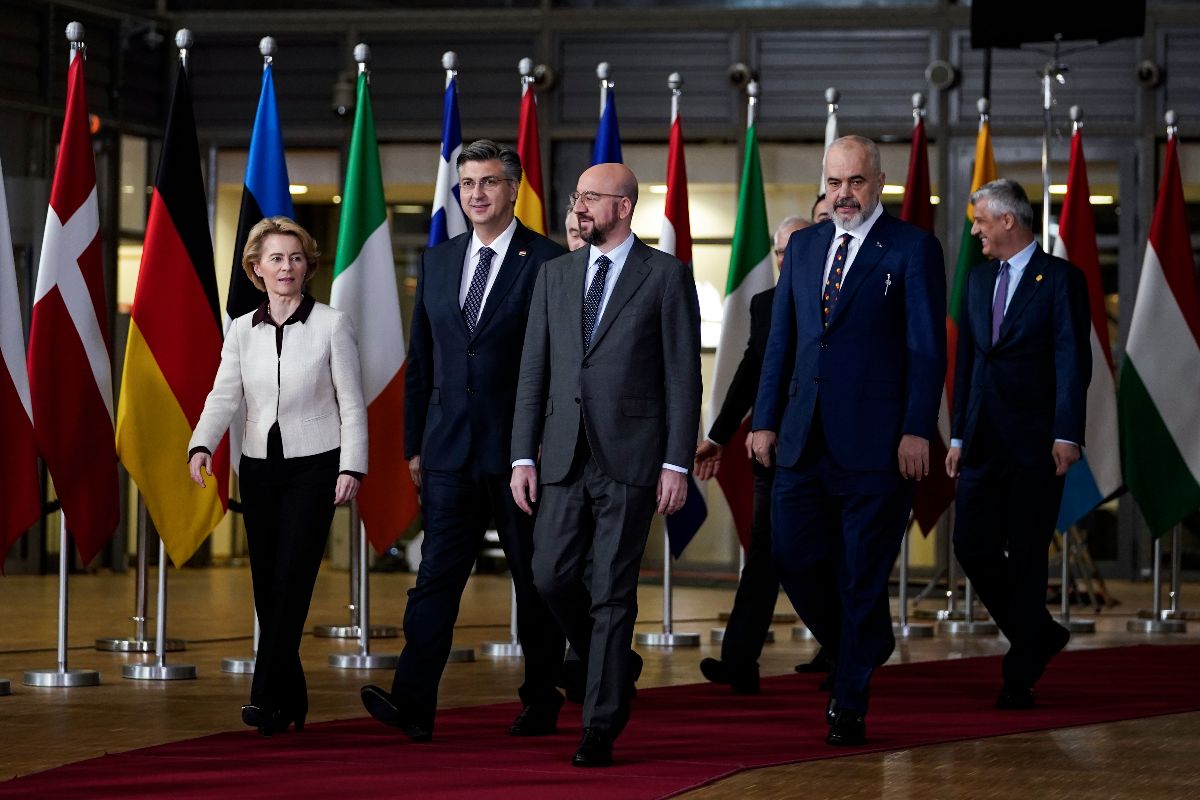
The European Union is preparing to launch a two-year Conference on the Future of Europe (CoFoE) to discuss with stakeholders at different levels of governance about the evolution of the European integration project. Despite its longstanding commitment to the Balkans, the Union has failed so far to consider the possibility of including the region in the CoFoE process. The Conference is likely to deal with key priorities, such as the green transition, digital innovation, democracy and governance, or the consequences of the COVID-19 pandemic, offering the EU an opportunity to engage with the Balkan countries beyond the enlargement talks, on issues of mutual concern and interest.
If the EU is serious about the European perspective of the region, how would it justify excluding political leaders and citizens from the Balkans from a Conference which is potentially decisive for its future? Since in the early 2000s, the European Convention involved delegates of the governments and national parliaments of the accession candidate countries in its activities, why would the Balkan aspirants be left out this time, when they are even closer to EU accession than then? How could political elites and citizens from the region be involved in the CoFoE, more concretely? And how could the Balkan countries organise themselves at the political and civil societal level to follow the Conference even if in the end the EU does not specify any kind of involvement for them?
Our speakers will discuss these and other issues. The EPC publication “The Conference on the Future of Europe: is the EU still serious about the Balkans?” will serve as a basis for debate at the meeting.
PLEASE CLICK HERE TO REGISTER
Moderator
Speakers
The European Politics and Institutions Programme covers the EU’s institutional architecture, governance and policymaking to ensure that it can move forward and respond to the challenges of the 21st century democratically and effectively. It also monitors and analyses political developments at the EU level and in the member states, discussing the key questions of how to involve European citizens in the discussions over the Union’s future and how to win their support for European integration. The Programme has a special focus on enlargement policy towards the Western Balkans, questions of EU institutional reform and illiberal trends in European democracies.
Coming next
Nov 23, 2026
14:00 - 15:30

Online

Nov 24, 2026
10:00 - 11:30

In Person
Nov 26, 2026
10:00 - 11:15
Online
Dec 02, 2026
14:00-18:30
In Person
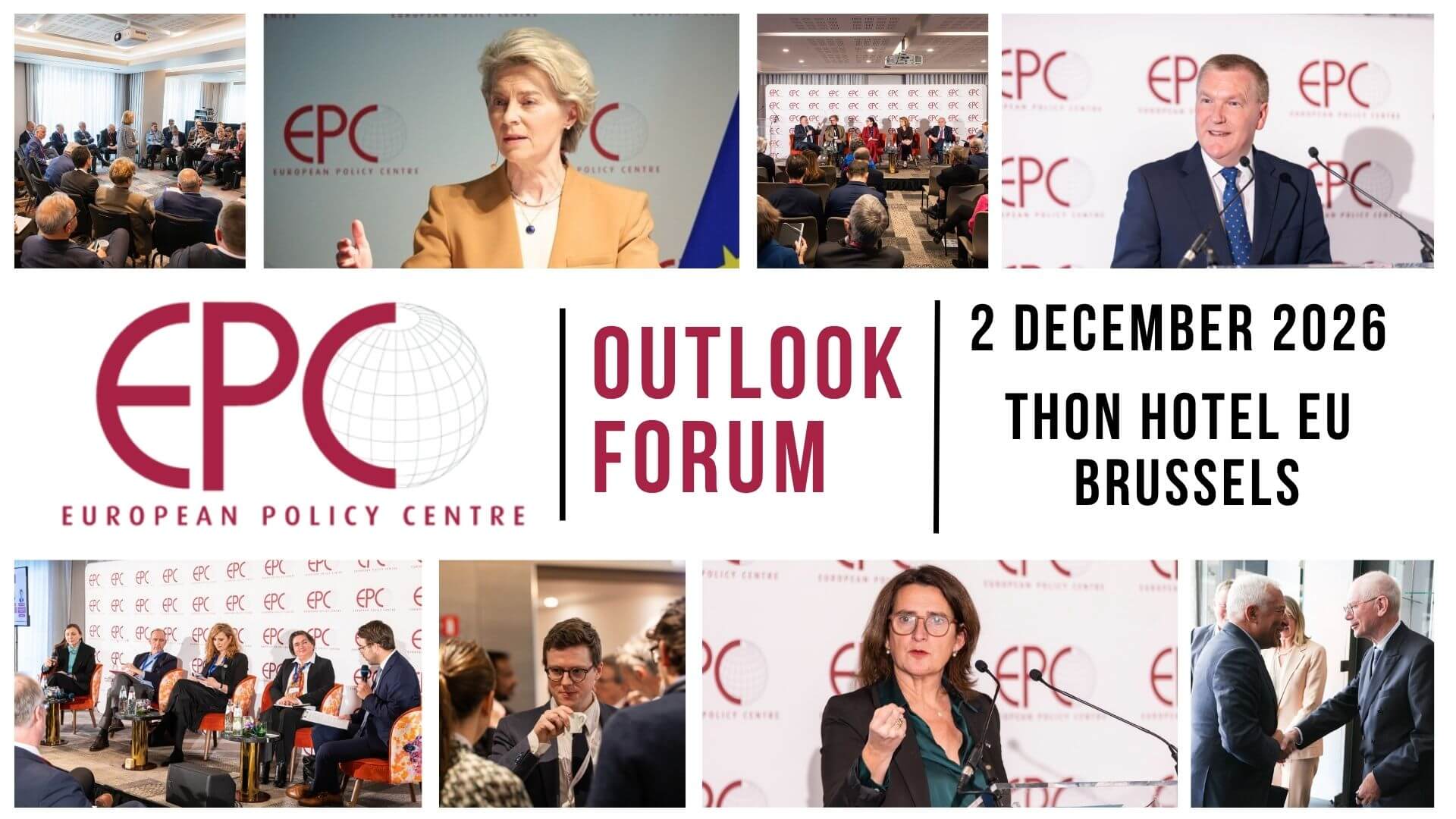
Inaugural EPC Outlook Forum
Dec 03, 2026
09.00 - 10.00
In Person