SHARE:


The New Pact on Migration and Asylum: A fresh start?
PAST
EVENT
EVENT
Nov 10, 2020
15:00 - 16:15
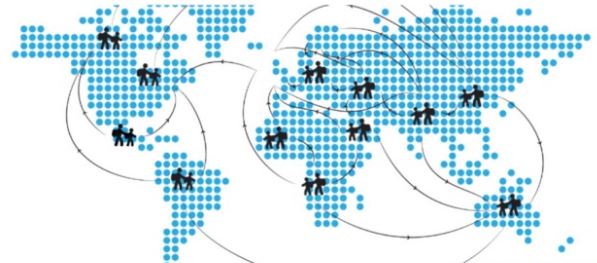
This EPC-MEDAM event focused on the key proposals of the recently released New Pact on Migration and Asylum. With months of difficult negotiations ahead, European Commissioner for Home Affairs Ylva Johansson was joined by representatives from the European Parliament and civil society to discuss the key challenges and strengths of the Pact’s proposals.
In her keynote speech, Commissioner Johansson highlighted the importance of normalising the migration debate and basing it on facts on the ground, before outlining the priorities of the Pact. These include limiting irregular arrivals and opening legal pathways, accelerating returns, and strengthening solidarity between member states. She noted that her proposals allow for “opportunities in the details”, as amendments can still be made to shift the overall balance. Commissioner Johansson argued that member states must prove they can agree on a compromise and avoid dramatizing migration in order to deal with future crises. Lastly, she stressed that migration itself is manageable and not a security threat to be feared.
In her keynote speech, Commissioner Johansson highlighted the importance of normalising the migration debate and basing it on facts on the ground, before outlining the priorities of the Pact. These include limiting irregular arrivals and opening legal pathways, accelerating returns, and strengthening solidarity between member states. She noted that her proposals allow for “opportunities in the details”, as amendments can still be made to shift the overall balance. Commissioner Johansson argued that member states must prove they can agree on a compromise and avoid dramatizing migration in order to deal with future crises. Lastly, she stressed that migration itself is manageable and not a security threat to be feared.
Comments from the panel centred on the importance of implementation, both regarding the new proposals, as well as the existing legislation. Roberta Metsola MEP stressed the importance for policymakers across EU institutions to deliver on legislation that works on the ground across Europe. All panellists highlighted the importance of responsibility-sharing among member states in the area of asylum, to ensure that states of first arrival are not overburdened, although they differed on their views of the Pact’s solidarity proposals. Catherine Woollard, for example, claimed that the Pact was seeking “legal solutions to resolve political conflicts” among member states, even though these conflicts are irreconcilable. The panel also discussed the New Pact’s proposals for the EU border, including the fairness and efficacy of border procedures and possible monitoring mechanisms. Tineke Strik MEP stressed the importance of securing independent and effective human rights monitoring to prevent pushbacks at the border. Speakers also discussed the New Pact’s proposals on return, the role envisioned for the European Commission in the proposals, and the prospects for a political agreement on key questions before the end of the German Presidency.
Moderator
Speakers
The European Migration and Diversity (EMD) Programme provides independent expertise on European migration and asylum policies. The EMD Programme's analyses seek to contribute to sustainable and responsible policy solutions and are aimed at promoting a positive and constructive dialogue on migration and mobility.
The Programme follows the policy debate and conducts analysis taking a multidisciplinary approach, examining both the legal and political aspects shaping European migration policies. EMD analysts focus, amongst other topics, on the reform of the Common European Asylum System; the management of the EU’s external borders and the Schengen governance; cooperation with countries of origin and transit; the integration of beneficiaries of international protection and mobile persons into host societies; the links between migration and populism; the development of resettlement and legal pathways; and the EU''s free movement acquis. The EMD team benefits from a strong network of academics, NGO representatives and policymakers, who contribute regularly to publications and policy events.

Coming next
Oct 28, 2026
14:00 - 15:30

Hybrid
Oct 29, 2026
11:00-12:30
Hybrid

Nov 06, 2026
12:30 - 13:30

In Person
Nov 12, 2026
09:00 - 10:00

Online

Dec 02, 2026
14:00-18:30
In Person
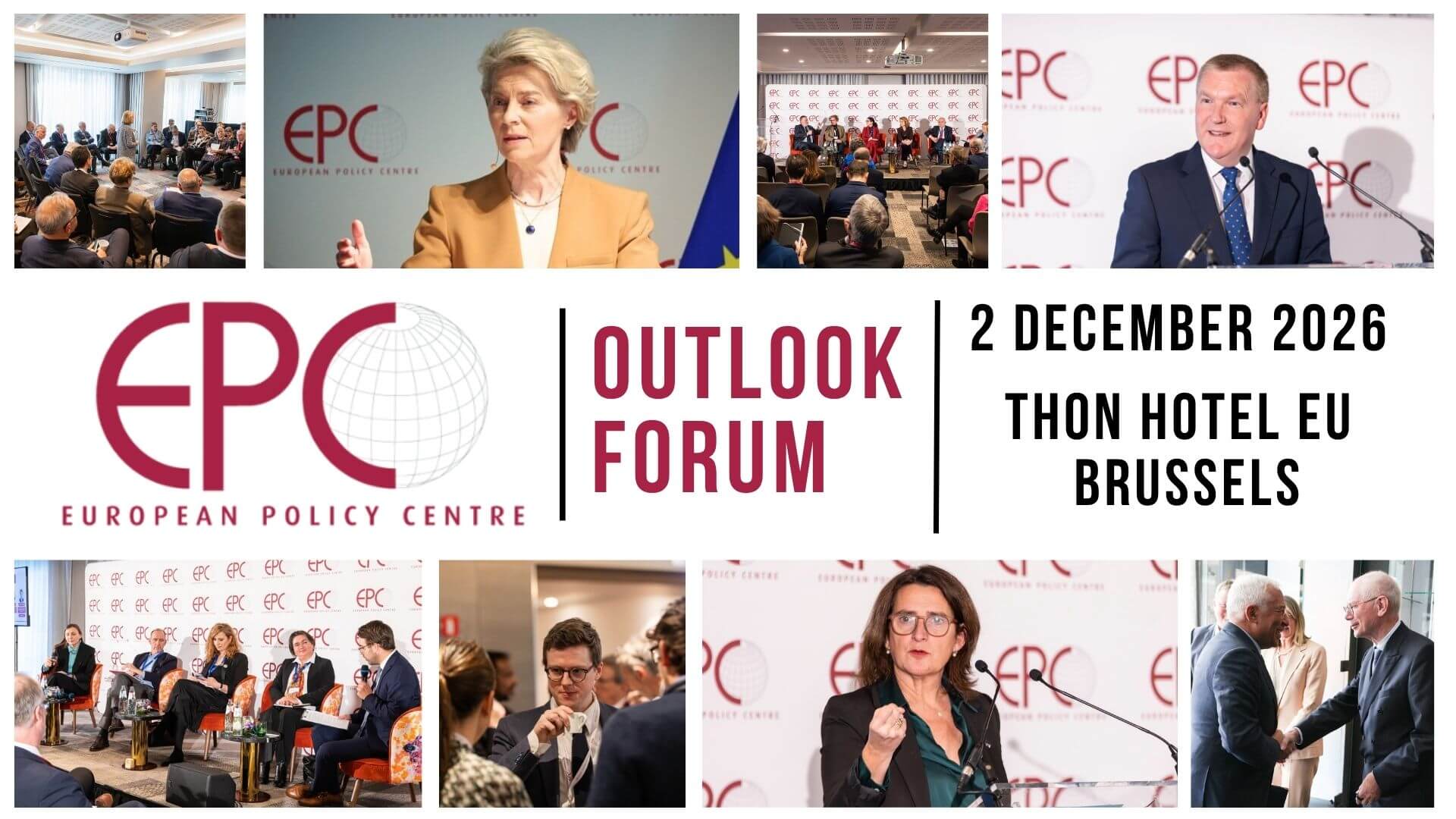
Inaugural EPC Outlook Forum