SHARE:


The forcible transfer and deportation of Ukrainian children by Russia
PAST
EVENT
EVENT
Nov 12, 2024
09:00 - 11:45
Location:
BRUSSELSBELGIUM
Venue: European Parliament

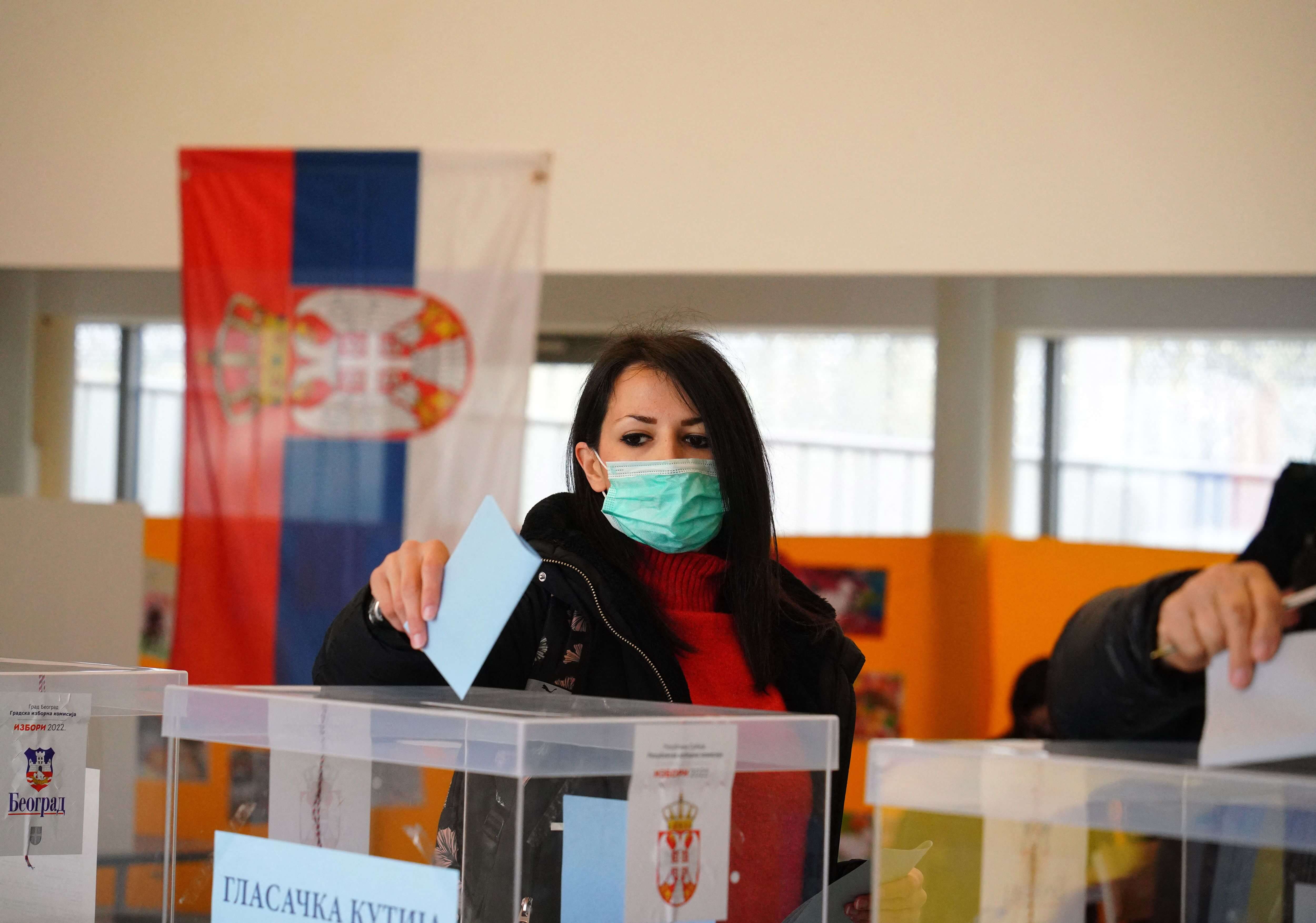
Thousands of Ukrainian children have been forcibly transferred and deported by the Russian Federation since 2014. It is a deliberate attack on Ukraine’s future. Those children that must live on the Ukrainian territories currently occupied by Russia, cannot express themselves as Ukrainians. Instead, the Kremlin’s indoctrination policies aim to make them “little Russians”. The goal of this act of genocide is to wipe the children’s memories, including their families, nationality, and life before the occupation. This nurtures a hostile attitude towards everything Ukrainians. Many of those taken to Russia, are given a new identity.
This Conference aims to address the question of forceful illegal deportation of Ukrainian children and to present the findings and recommendations of a new Paper completed by the Bring Kids Back Initiative of the Office of President Zelenskiy. The topic is urgent and needs rapid action, as every day there is a risk of more children being lost to the Russian aggressor.
The conference will be followed by the opening of the photo exhibition "Lost Childhood" at 12.00 CET. It will take place at the Info Hub in the European Parliament (entrance from the Esplanade Solidarność 1980).
Participation is open to EPC members, the media, EU officials, invitations of the Ukrainian Mission to the EU and the Office of the President of Ukraine
Moderators
Speakers
The Europe in the World (EiW) Programme scrutinises the impact of a changing international system on Europe and probes how the EU and its member states can advance their interests and values on a regional and global level. It examines the EU’s relations with both major and middle powers around the world, and how Europe can continue to contribute to a rules-based global order. Secondly, the Programme focuses on the role of the EU in fostering reform, resilience and stability in neighbouring regions and looks closely at developments in Turkey and Ukraine, among other countries. Thirdly, the Programme examines and seeks to advance the development of Europe’s security and defence policy.
Coming next
Oct 28, 2026
14:00 - 15:30

Hybrid
Oct 29, 2026
11:00-12:30
Hybrid

Nov 06, 2026
12:30 - 13:30

In Person

Nov 12, 2026
09:00 - 10:00

Online
Dec 02, 2026
14:00-18:30
In Person
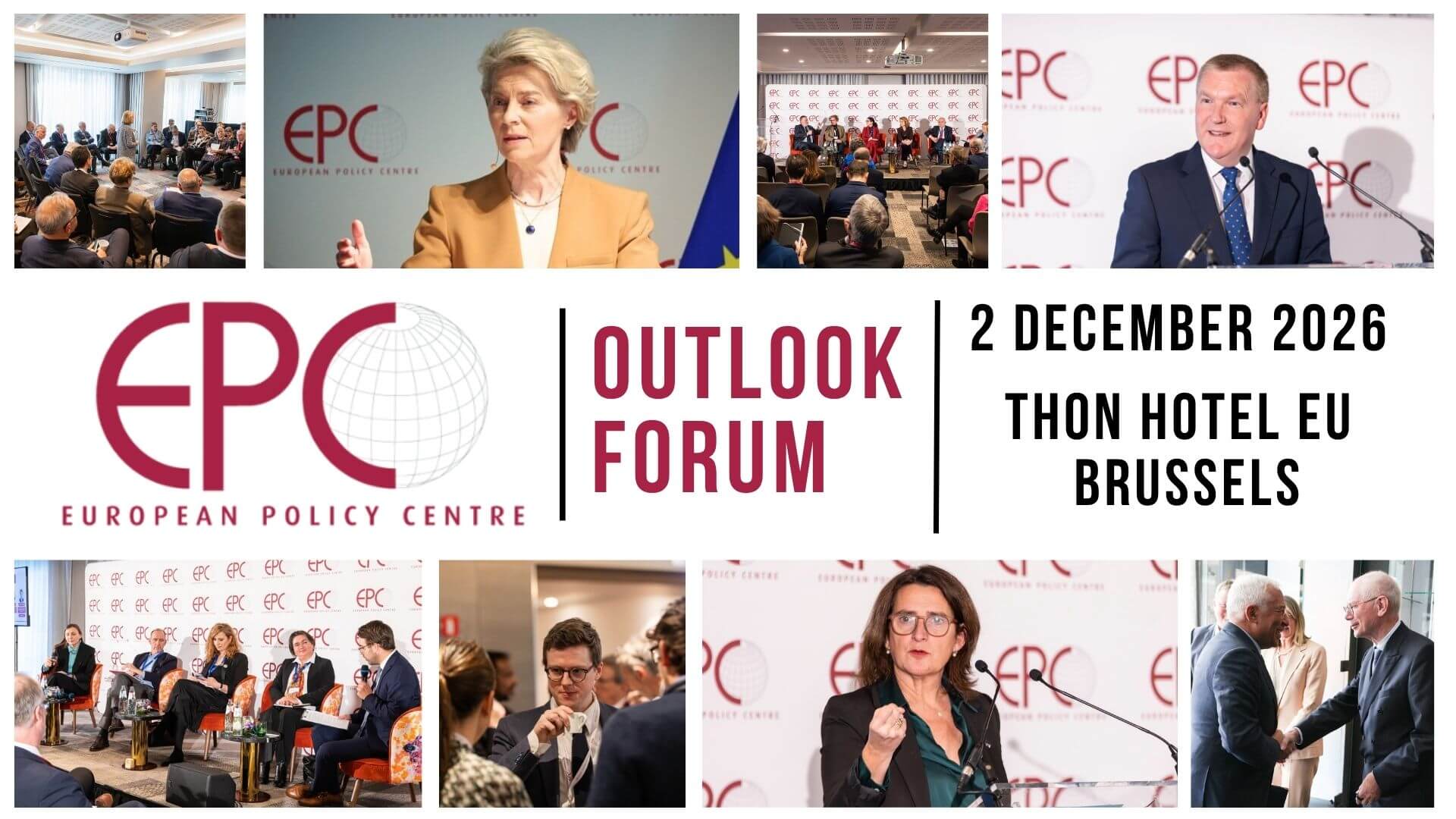
Inaugural EPC Outlook Forum