Europe in the World
The Europe in the World (EiW) Programme scrutinises the impact of a changing international system on Europe and probes how the EU and its member states can advance their interests and values on a regional and global level. It examines the EU’s relations with both major and middle powers around the world, and how Europe can continue to contribute to a rules-based global order. Secondly, the Programme focuses on the role of the EU in fostering reform, resilience and stability in neighbouring regions and looks closely at developments in Turkey and Ukraine, among other countries. Thirdly, the Programme examines and seeks to advance the development of Europe’s security and defence policy.



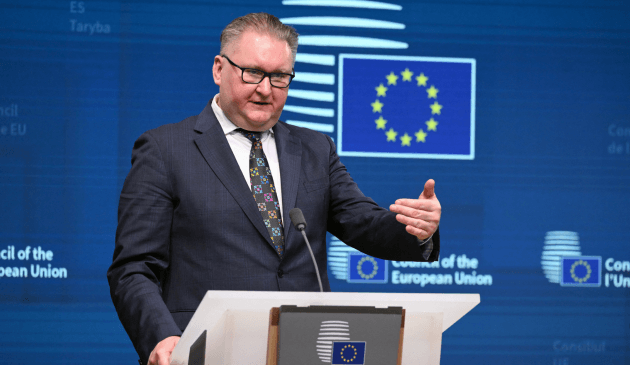
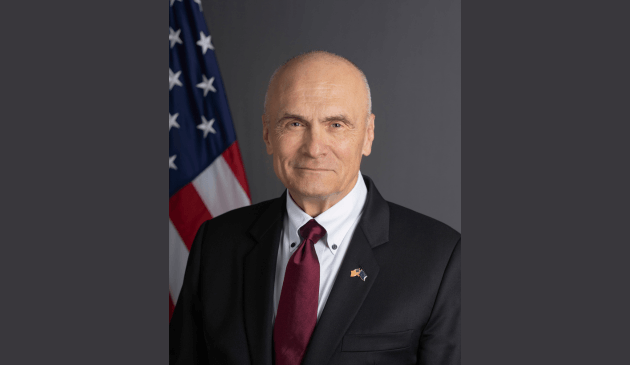
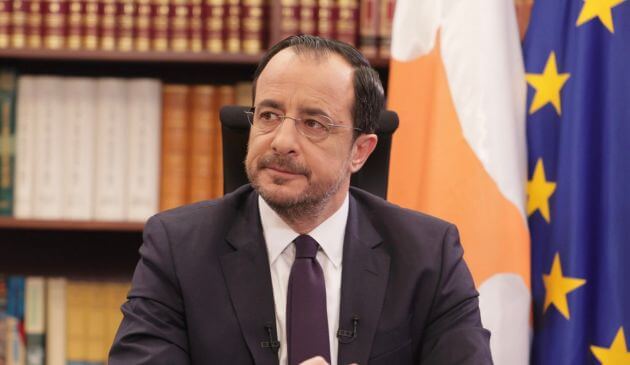
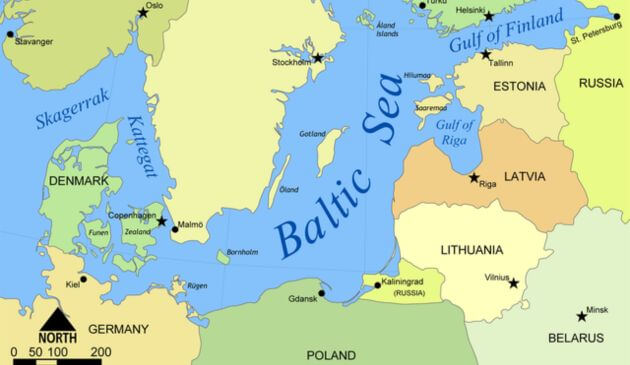
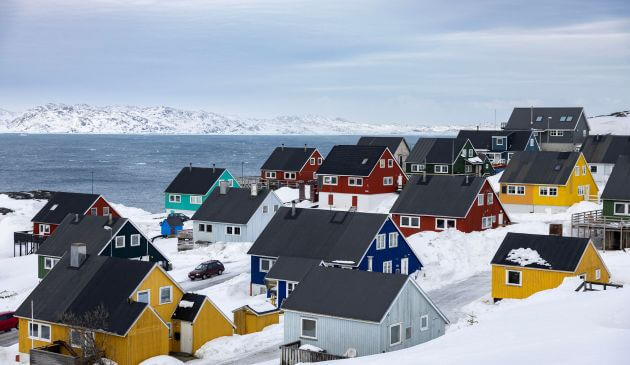
Comments on Arctic summit of European leaders gathering in Finland 13-14 September (times 14.30 to 18.12)
https://www.bbc.com/audio/play/w1730c5qs9111kl
On Monday, 11 May 2026, a Beijing session of the EU-China Think Tank Exchanges, funded by the European Union, was held at the Beijing Administrative Centre office of the Center for China and Globalization (CCG). The event was jointly organised by CCG, the programme’s only Chinese co-beneficiary, and the European Policy Centre (EPC).
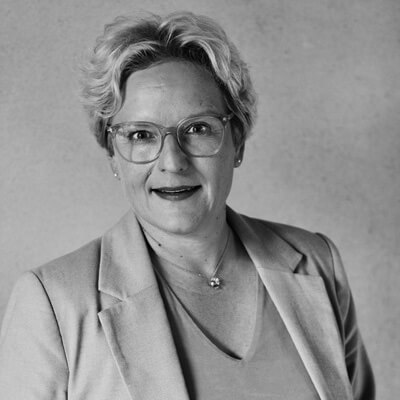
Almut Möller argues in the January 2026 International Politik Quarterly that Europeans need to boldly re-engage in shaping not only their continent’s security order but also its broader political structures. She writes, "As a point of departure, European leaders—EU and non-EU alike—need to articulate political determination and re-affirm a renewed choice for Europe. This can be expressed in a lean political declaration, which should entail the following elements as a minimum: a commitment to democracy, human rights, and multilateralism; to European collaboration, including via joint institutions, to serve Europe’s citizens; a path toward a European security and defense framework, including by integrating the elements of the EU that can help bring about a new security architecture in Europe in the medium to long term; a significant collective investment in technology; and an overall forward-looking attitude to embrace opportunity in a fast-changing world."
Read the full publication here.
Co-publication that Almut Möller authored together with Nora Müller of Körber Stiftung, suggesting that Germany should learn from the Baltic States in strengthening resilience and preparedness.
Read here.
The People's Republic of China (PRC) held its annual "Two Sessions" meeting in the first weeks of March—the National People's Congress (NPC) and the Chinese People's Political Consultative Conference (CPPCC). It was the first meeting of this level since the Third Plenum of the Communist Party of China Central Committee held in July 2024, which was significant because it focused on the country's budget and economic planning.
Back in May 2000, The Economist labelled Africa the “hopeless continent,” reflecting a widespread sentiment in the West, not least in Europe. Ironically, just five months later, China hosted the first Forum on China-Africa Cooperation (FOCAC), quietly building on its existing ties to lay the groundwork for what would become a strong and transformative economic and political presence. Beijing went on to eventually reshape not only large parts of the African continent, but also much of the so-called Global South.
The world is undergoing rapid transformations, marked by escalating conflicts, geoeconomic fragmentation and geopolitical volatility. From wars spreading across regions to the emergence of more assertive countries and the return of Donald Trump to the White House, posing yet another challenge, the EU will likely have to navigate through significant and unexpected changes in the coming years.
Despite heightened political and economic tensions, diplomatic contacts remained frequent, although the EU adopted a more assertive stance.