

The far right’s European project: from protest to implementation
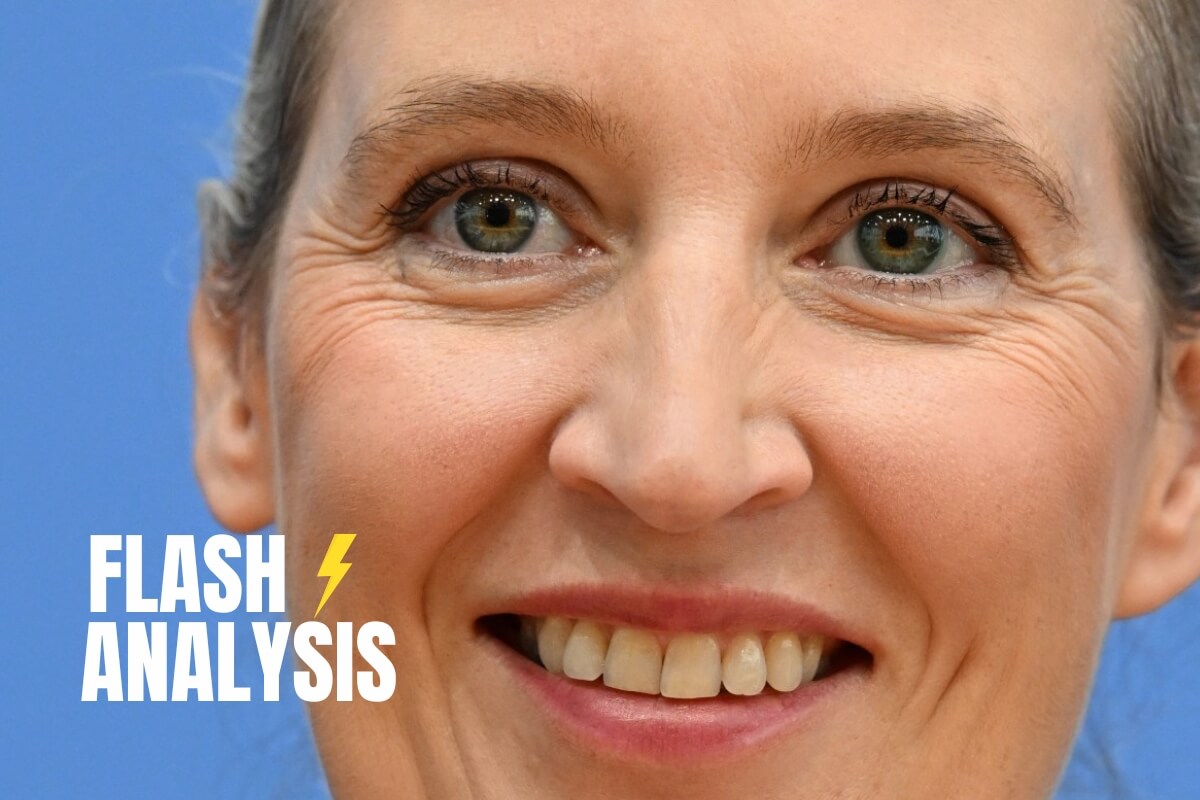

This afternoon in Strasbourg, AfD co-leader Alice Weidel presented her party’s “new deal for Europe” in the European Parliament. Some will read it as the AfD dropping Dexit. That misses the point. The plan is no German one-off but the next step in a project Europe’s anti-EU forces have been preparing for years.
Put the AfD’s position paper, Sovereign Nations, a Common Europe, dated 29 September, next to The Great Reset, the 2025 report by Hungarian Mathias Corvinus Collegium (MCC) and the Polish Ordo Iuris Institute. The overlap is no coincidence. Both would replace a directly elected European Parliament with delegations sent by national parliaments. Both would demote the Commission to an administrative service, turn the Court of Justice into an intergovernmental arbitration body, put national constitutions above EU law and make opt-outs available on demand. Both frame EU support for civil society, gender equality and climate action as ideological imposition. Even the fallback matches: the think tanks sketch an outright dissolution of the Union; the AfD threatens a referendum on membership if renegotiation fails. Marine Le Pen pledged the same in Brussels last week: a Commission shrunk into a secretariat serving national capitals.
This is implementation, and the pattern is familiar. Before Donald Trump’s return, the Heritage Foundation’s Project 2025 laid out a governing agenda, much of which his administration has since put into practice. Europe’s version is the same: think tanks draft and parties adopt and set timetables. The AfD sets out a phased roadmap: cuts under existing law within three years, treaty change within seven, Germany’s budget veto as leverage and a right-wing majority in 2029 as the target.
They disagree on plenty, from Russia to economics. What binds them is a shared aim rather than a shared creed: they reject pluralism, equality, social progress and any external check on power. The talk of subsidiarity and a Europe of nations is packaging. Strip the EU of its courts, its Commission and its ability to enforce common rules, and what remains is a bargaining table at which governments face no constraints. The goal is not to reform the Union but to hollow it out.
Pro-Europeans should stop treating these papers as fringe musings or as reform ideas to be met halfway. They are a coordinated programme with a deadline. The response must be equally deliberate: defend the institutions being targeted, explain what citizens would lose and prepare for a Union in which these forces hold a blocking minority.
Fabian Zuleeg is Chief Executive and Chief Economist at the European Policy Centre.
The support the European Policy Centre receives for its ongoing operations, or specifically for its publications, does not constitute an endorsement of their contents, which reflect the views of the authors only. Supporters and partners cannot be held responsible for any use that may be made of the information contained therein.