SHARE:


Biden v. Trump - What next for transatlantic relations?
PAST
EVENT
EVENT
Oct 02, 2020
10:00 - 11:00
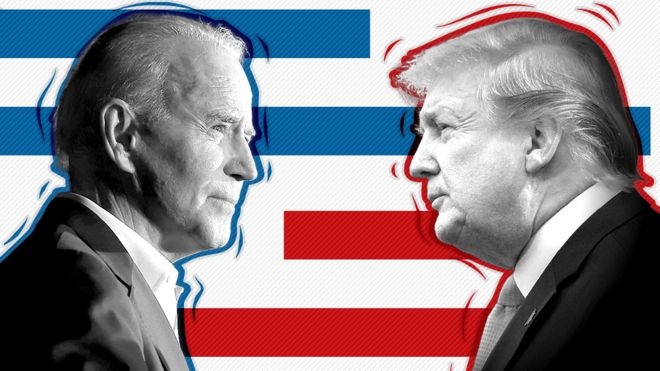
On 3 November 2020, Americans will go to the polls to choose the 46th president of the United States. The elections may prove to be one of the most consequential in recent US history, offering the starkest choice between two competing visions for the US’ future for many decades. The future of the transatlantic relationship will be defined by the outcome. Under the current Trump administration, the gap between both shores of the Atlantic has significantly widened. Major policy differences divide the transatlantic partners today, including on climate change, the Iran nuclear issue and, more recently, the COVID-19 pandemic. At the same time, transatlantic relations are increasingly defined by the accelerating US-China geopolitical rivalry. These challenges raise important questions about the future of transatlantic relations: how should Europe prepare for the forthcoming US presidential election? What can Europe expect from a second Trump term, and can a Biden administration possibly revive the transatlantic relationship?
At this on-line Briefing, Anthony Gardner, former ambassador of the United States of America to the European Union, will shed light on these and other issues. The briefing will be moderated by David O’Sullivan, Chair of the Governing Board of the European Policy Centre, and former EU Ambassador to the United States.
Moderator
Speaker
The Europe in the World (EiW) Programme scrutinises the impact of a changing international system on Europe and probes how the EU and its member states can advance their interests and values on a regional and global level. It examines the EU’s relations with both major and middle powers around the world, and how Europe can continue to contribute to a rules-based global order. Secondly, the Programme focuses on the role of the EU in fostering reform, resilience and stability in neighbouring regions and looks closely at developments in Turkey and Ukraine, among other countries. Thirdly, the Programme examines and seeks to advance the development of Europe’s security and defence policy.

Coming next
Nov 19, 2026
13:30 - 14:30

Hybrid

Nov 19, 2026
15:30 - 17:30

In Person

Nov 23, 2026
14:00 - 15:30

Online

Nov 24, 2026
10:00 - 11:30
In Person
Nov 26, 2026
10:00 - 11:15
Online

Dec 02, 2026
14:00-18:30
In Person
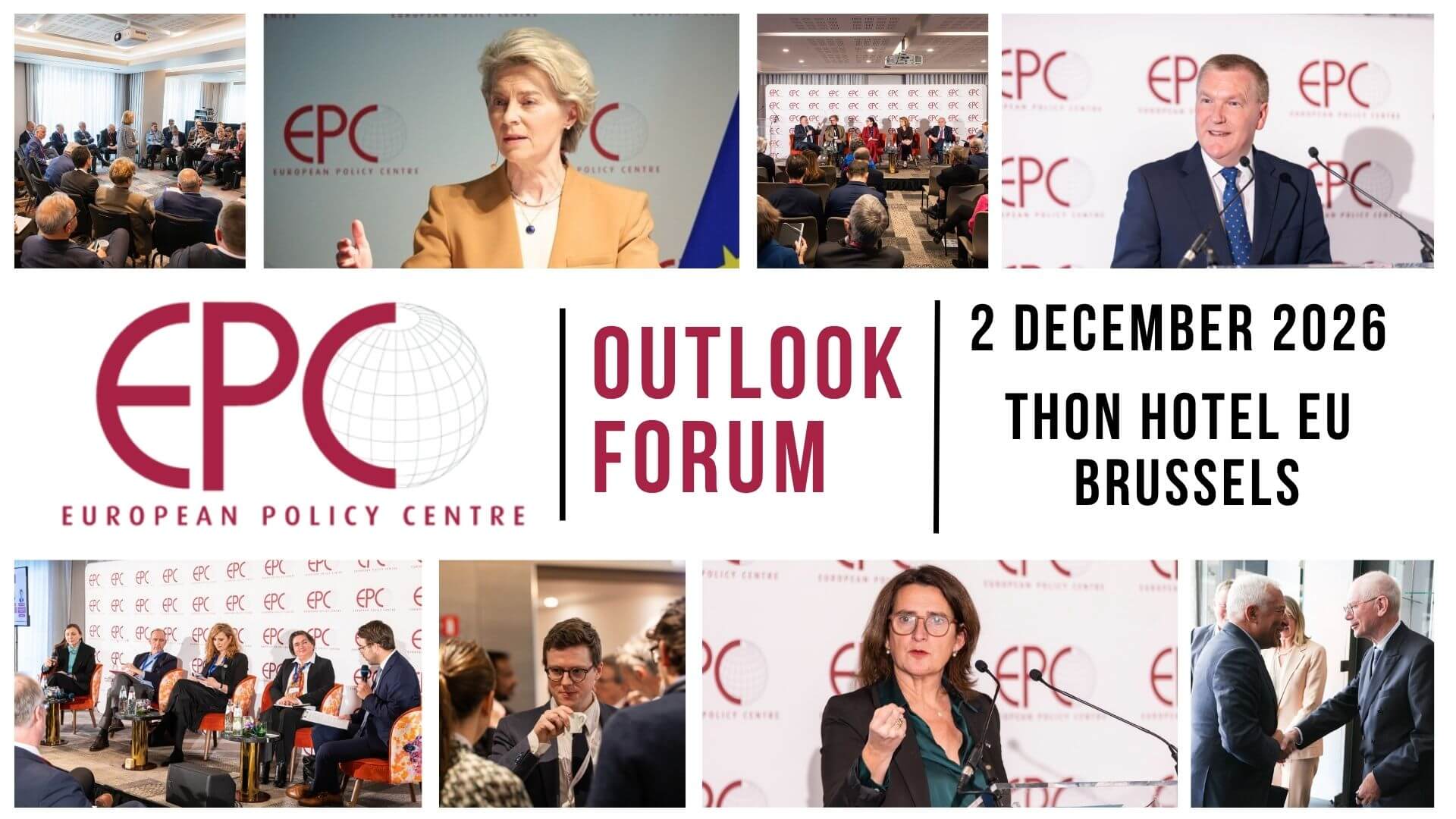
Inaugural EPC Outlook Forum
Dec 03, 2026
09.00 - 10.00
In Person