SHARE:


EPC Talks Geopolitics with Mrs. Sviatlana Tsikhanouskaya
PAST
EVENT
EVENT
Oct 13, 2022
15:30 - 16:15
EVENT REPORT
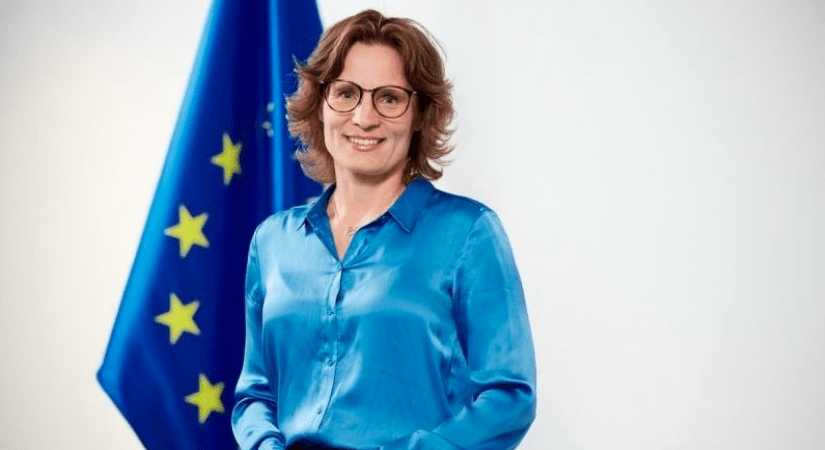
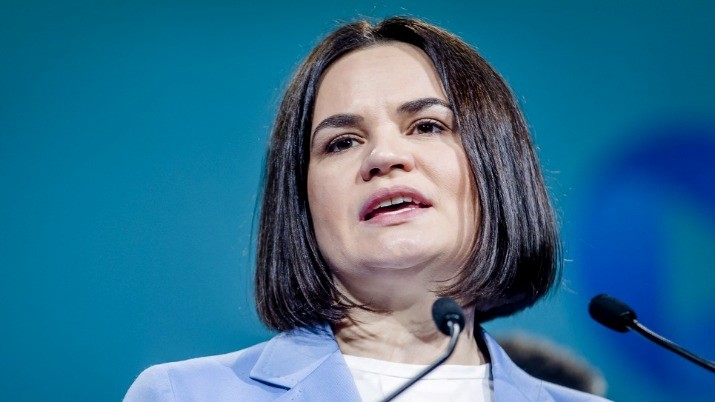
Sviatlana Tsikhanouskaya, Leader of the Belarusian Democratic Movement, kicked off the discussion by recalling her activities in Belarus and elsewhere, including in the EU.
Tsikhanouskaya emphasised that Lukashenko was able to hold on to power in Belarus by spreading fear and intimidating people. His only achievement in the country has been establishing a strong vertical power. Nonetheless, Tsikhanouskaya stated that the Belarusian people are trying their best to resist Lukashenko’s regime, and allies should be more consistent in their support. Democratic countries, media, NGOs, and civil society should also provide assistance.
Another issue discussed at the event was the establishment of the United Transitional Cabinet (UTC), which aims to create unity among the Belarusian people, contrary to Lukashenko’s divisive politics. In the discussion, Tsikhanouskaya stressed that it is crucial that the UTC is recognised, whether that be fully or partially.
Russia’s war on Ukraine was another significant topic. According to Tsikhanouskaya, the involvement of Belarus’ armed forces in the war is unlikely since Belarusians do not want to fight and do not have the necessary equipment to make a difference on the battlefield. Even if the Belarusian people were forced to join the war, Tsikhanouskaya believes that most people would either hide or resist and side with Ukraine. She also stated that for a free Ukraine, the liberation of Belarus must be part of the solution. “There is no free Ukraine without a free Belarus”, she stressed.
Finally, Tsikhanouskaya was asked about her thoughts on Belarus’ potential for EU membership. She stated that joining the EU is not an immediate goal since the country does not have the necessary political, economic, and institutional criteria. However, the Belarusian Democratic Movement has pledged to follow pro-European values, which could bring the country one step closer to gaining membership in the Union.
Moderator
Speaker
The Europe in the World (EiW) Programme scrutinises the impact of a changing international system on Europe and probes how the EU and its member states can advance their interests and values on a regional and global level. It examines the EU’s relations with both major and middle powers around the world, and how Europe can continue to contribute to a rules-based global order. Secondly, the Programme focuses on the role of the EU in fostering reform, resilience and stability in neighbouring regions and looks closely at developments in Turkey and Ukraine, among other countries. Thirdly, the Programme examines and seeks to advance the development of Europe’s security and defence policy.
Coming next
Nov 23, 2026
14:00 - 15:30

Online
Nov 24, 2026
10:00 - 11:30

In Person
Nov 26, 2026
10:00 - 11:15
Online
Dec 02, 2026
14:00-18:30
In Person
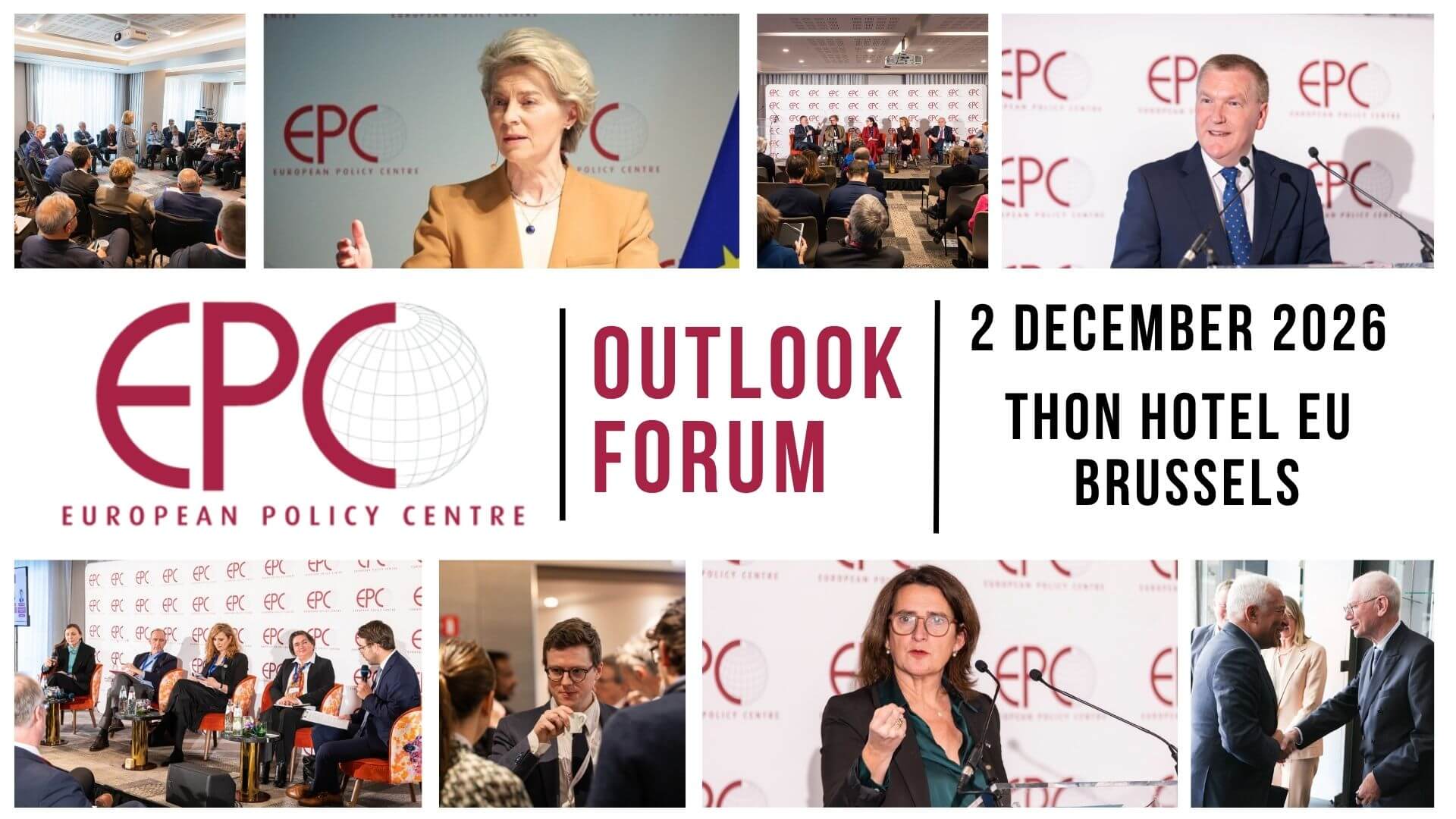
Inaugural EPC Outlook Forum
Dec 03, 2026
09.00 - 10.00
In Person