SHARE:


Enhancing resilience and security in Eastern Europe
PAST
EVENT
EVENT
Sep 14, 2020
15:00 - 16:30

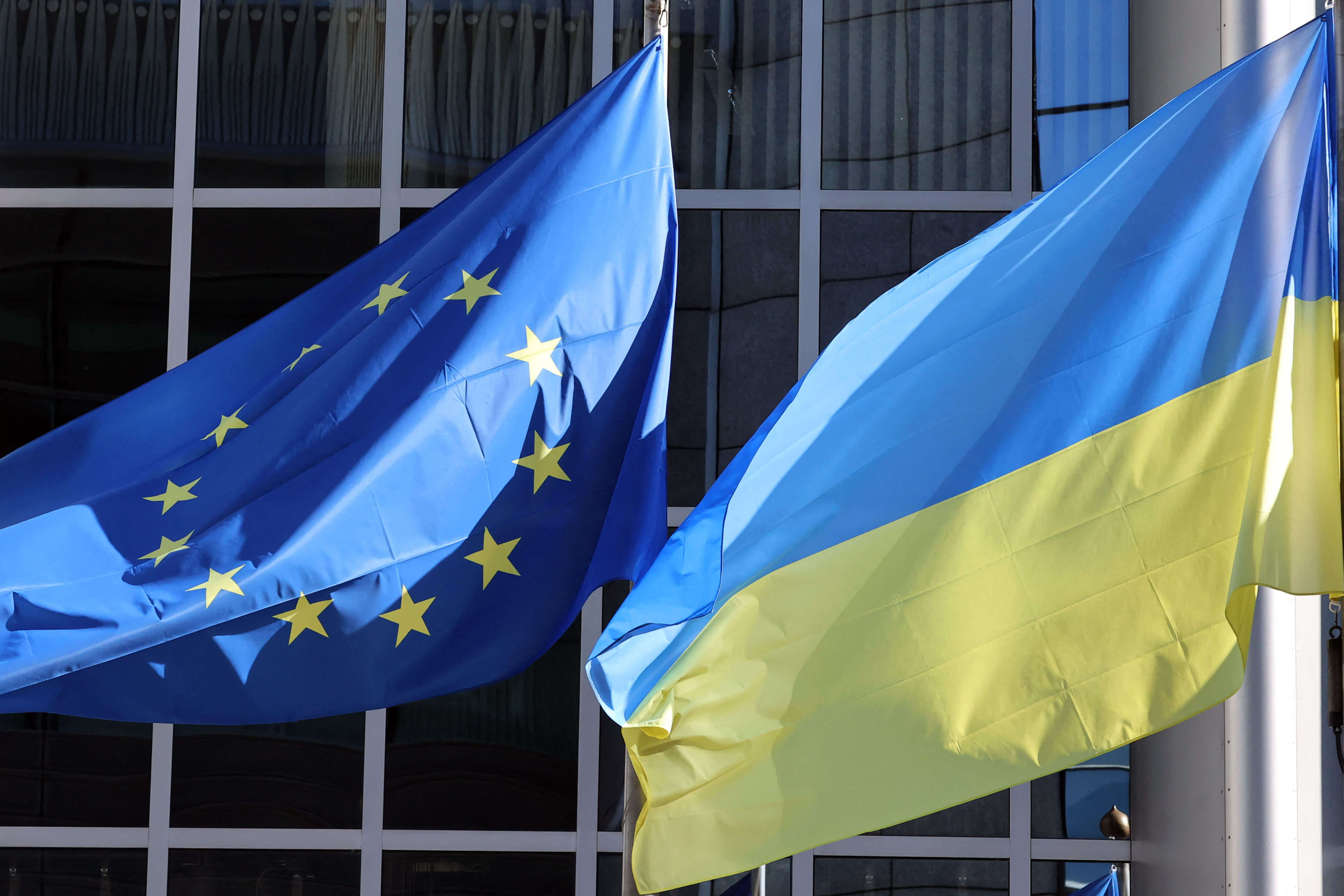
The EU’s eastern neighbourhood is a region of critical importance for Euro-Atlantic security and stability. Over the last decade, the region has seen a proliferation of security challenges of both an internal and external nature. This includes the fight against corruption and the rule of law, along with disinformation, cyber security and hybrid challenges. The regions six protracted conflicts also remain a significant impediment to stability. Moreover, Russia's overt and covert aggression in the region, not least its annexation of Crimea and the war in the Donbas in 2014 and the earlier 2008 Russia-Georgia war, as well as Moscow’s continued occupation of the Georgian territories of South Ossetia and Abkhazia, continue to undermine security.
The EU and the US have a major stake in the resilience of the countries of the region and have invested a lot in supporting their ability to cope internal and external challenges. This on-line Policy Dialogue will examine the approaches of the US and the EU with a view to supporting the resilience to internal and external challenges of their partners in Eastern Europe. It aims to cover the political, security, governance and economic dimensions of resilience – taking account also the impact of COVID 19 - and to discuss how the U.S. and the EU can further cooperate to enhance resilience in Eastern Europe.
Moderator
Speakers
The Europe in the World (EiW) Programme scrutinises the impact of a changing international system on Europe and probes how the EU and its member states can advance their interests and values on a regional and global level. It examines the EU’s relations with both major and middle powers around the world, and how Europe can continue to contribute to a rules-based global order. Secondly, the Programme focuses on the role of the EU in fostering reform, resilience and stability in neighbouring regions and looks closely at developments in Turkey and Ukraine, among other countries. Thirdly, the Programme examines and seeks to advance the development of Europe’s security and defence policy.

Coming next
Nov 23, 2026
14:00 - 15:30

Online

Nov 24, 2026
10:00 - 11:30

In Person
Nov 26, 2026
10:00 - 11:15
Online

Dec 02, 2026
14:00-18:30
In Person
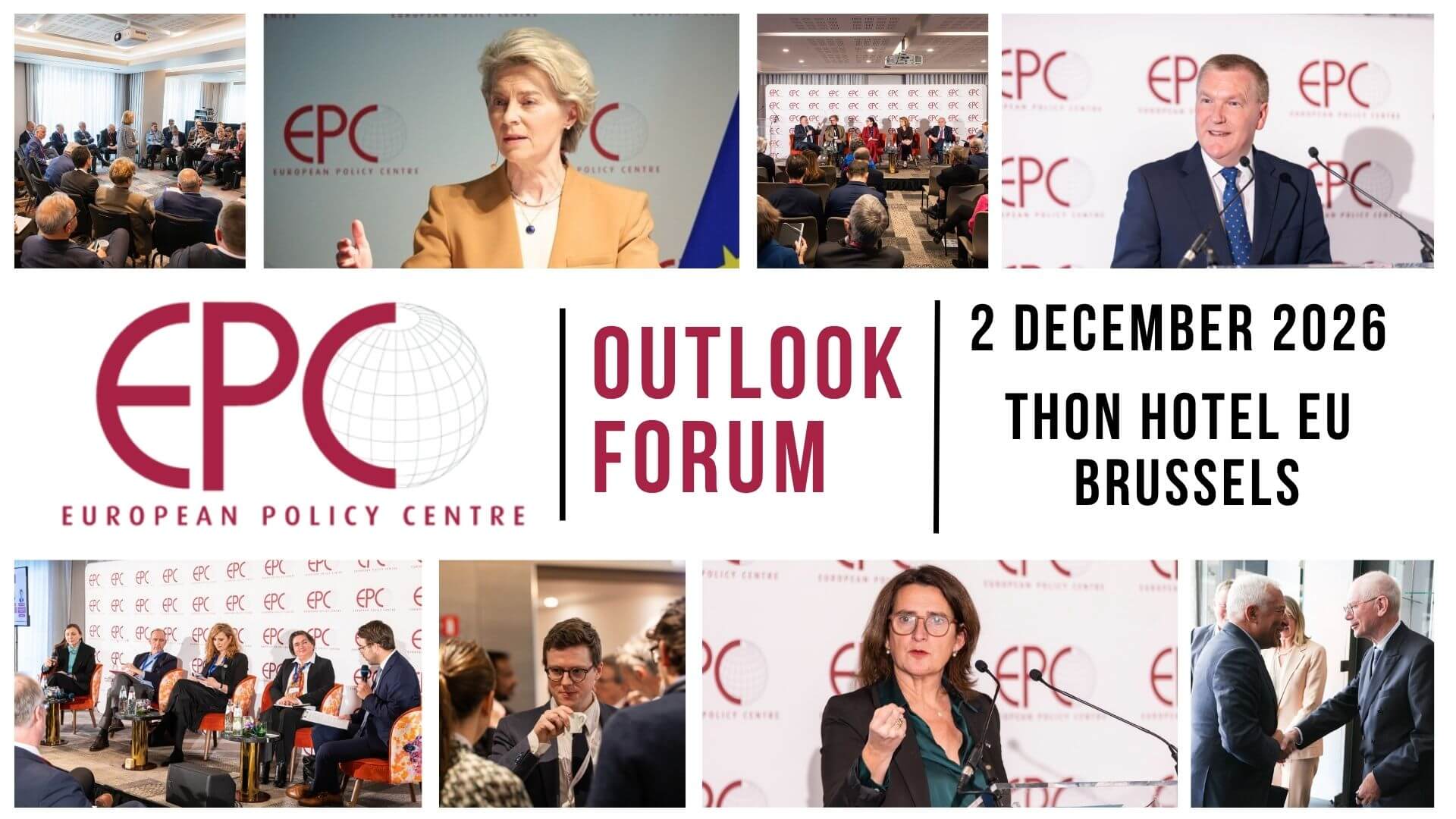
Inaugural EPC Outlook Forum
Dec 03, 2026
09.00 - 10.00
In Person