EVENT
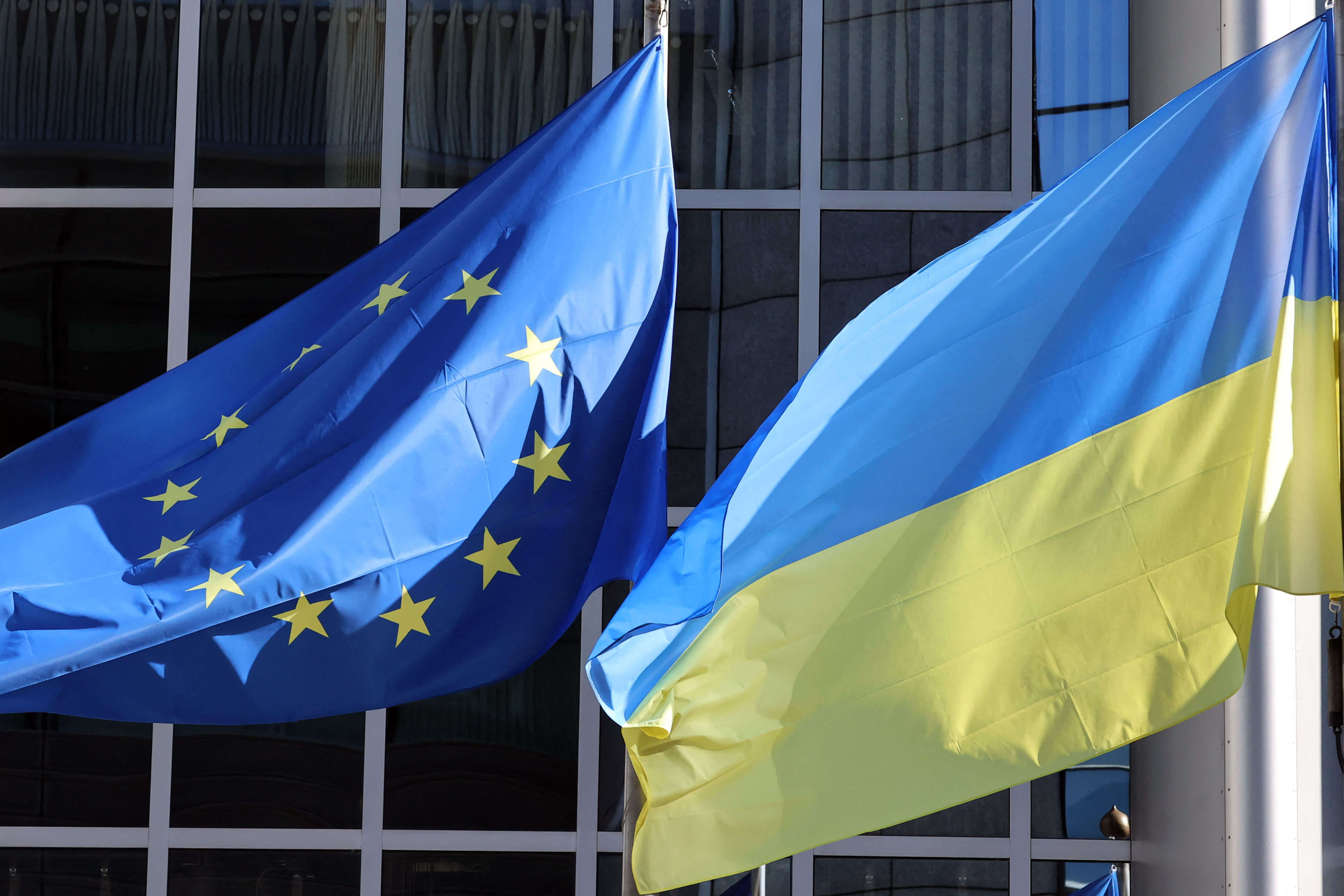
Polls, surveys and consultations all show that Europeans have one big ask of the European Union: they want to know more about it. As European politics becomes more and more relevant in people’s lives, the importance of effective communication will only grow; faced with Euroscepticism and populism, the EU has to better explain what it is about and how it makes a difference. The Juncker Commission tried to communicate in a more political and strategic way. Member states, too, have tried to bring Europe to their citizens in new and innovative ways – last year’s European Citizens’ Consultations among them.
Perhaps this new push for EU communication has paid off: after all, turnout increased for the first time in the 2019 European elections, and the so-called ‘Youthquake’ seemed to mark the beginning of a new engagement among young people with EU politics. But the remaining obstacles are many: fake news, political fragmentation, institutional rivalries, and a temptation by many governments to nationalise success and Europeanise failure. And of course, reaching out to ‘Europeans’ is not at all straightforward: they speak different languages, use different media channels, and have many different ideas about what the EU’s political priorities should be.
What are the best ways to reach out to such a diverse community? How can the European institutions and the member states work with each other, not against each other? What do the media and civil society have to contribute? And what does a coherent communication strategy look like anyway? This Policy Dialogue will address these and other questions.