SHARE:


How to overcome the current crisis in Turkey-EU relations
PAST
EVENT
EVENT
Sep 16, 2020
15:00 - 16:00
PLEASE CLICK HERE TO REGISTER
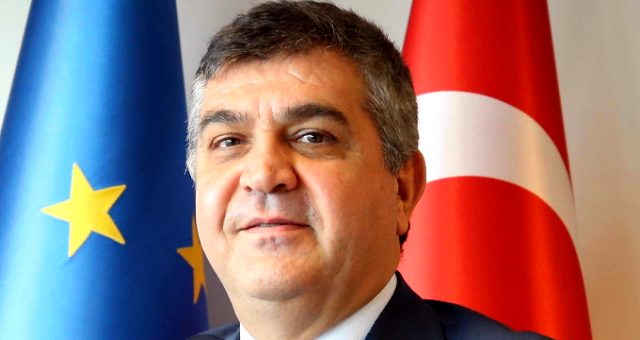
The European Policy Centre is pleased to invite you to this Sixty Minutes Briefing with Turkish Deputy Foreign Minister and Director for EU Affairs, Faruk Kaymakcı, on 16 September.
Turkey and the EU share many common interests and have deeply rooted ties in many areas. Yet, this strategically important relationship has been plagued by problems for years. Turkey’s frozen EU accession process has had a particularly toxic impact on relations, with Ankara claiming that the EU has treated Turkey differently from other candidate countries. Meanwhile, EU concerns over what is seen as democratic backtracking in the country, along with uneasiness over a number of Turkey’s foreign policy escapades, have further blighted relations. Today, the escalating dispute over maritime borders and natural gas reserves in the Eastern Mediterranean that has pitted Turkey against Greece has plunged EU-Turkey further into crisis, with several member states calling for the EU to place sanctions on Turkey at the forthcoming EU summit on 24-25 September
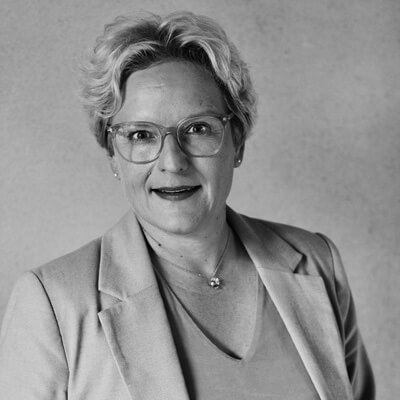
At this Sixty Minute Briefing, Deputy Minister Faruk Kaymakcı will look at the prospects for Turkey-EU relations, including setting out his views on how the current crisis can be overcome. His initial comments will be followed by a question and answer session chaired by EPC Senior Policy Analyst, Amanda Paul.
Moderator
Speaker
The Europe in the World (EiW) Programme scrutinises the impact of a changing international system on Europe and probes how the EU and its member states can advance their interests and values on a regional and global level. It examines the EU’s relations with both major and middle powers around the world, and how Europe can continue to contribute to a rules-based global order. Secondly, the Programme focuses on the role of the EU in fostering reform, resilience and stability in neighbouring regions and looks closely at developments in Turkey and Ukraine, among other countries. Thirdly, the Programme examines and seeks to advance the development of Europe’s security and defence policy.
Coming next
Nov 23, 2026
14:00 - 15:30

Online

Nov 24, 2026
10:00 - 11:30

In Person
Nov 26, 2026
10:00 - 11:15
Online

Dec 02, 2026
14:00-18:30
In Person
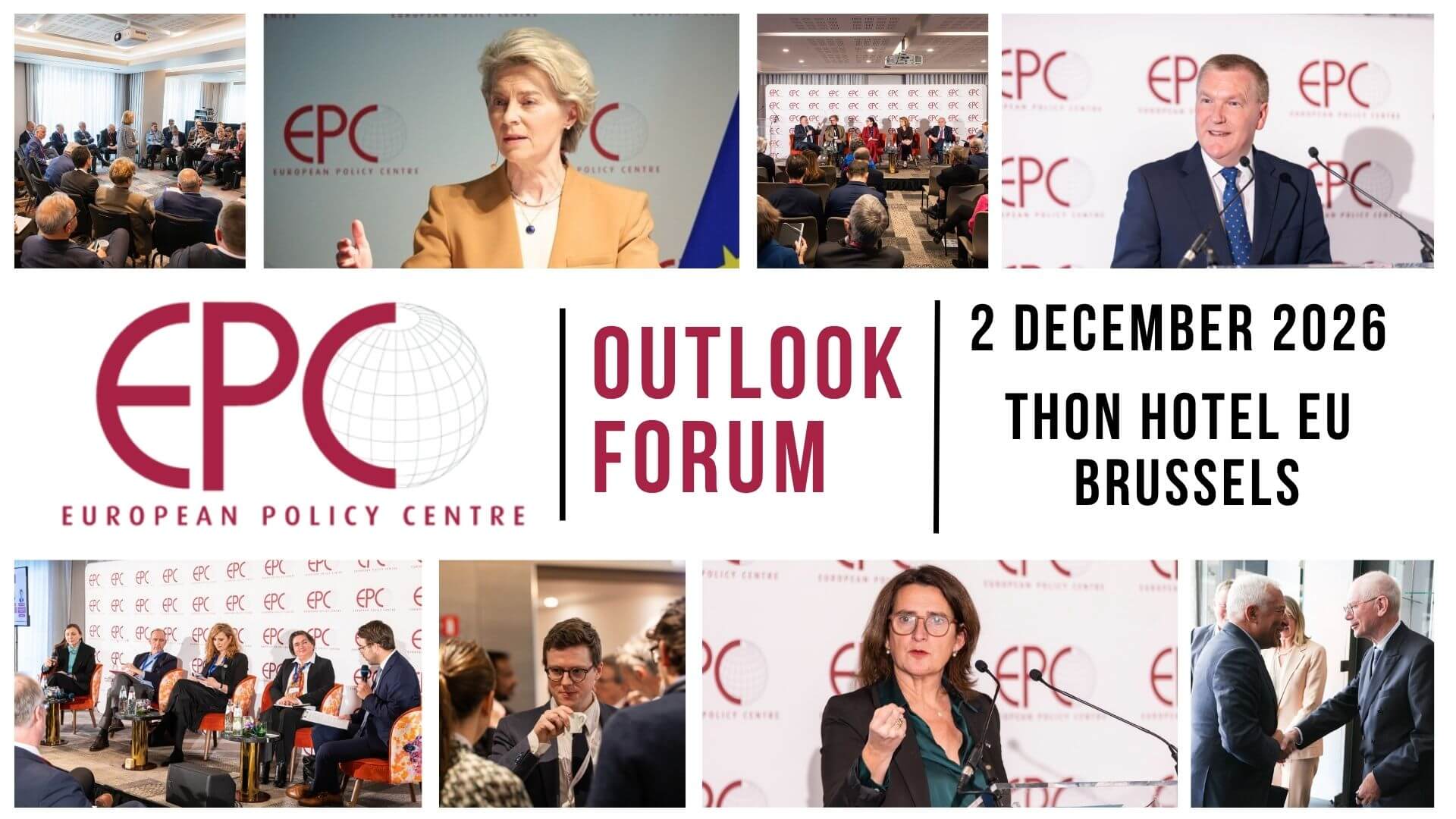
Inaugural EPC Outlook Forum
Dec 03, 2026
09.00 - 10.00
In Person