

EVENT
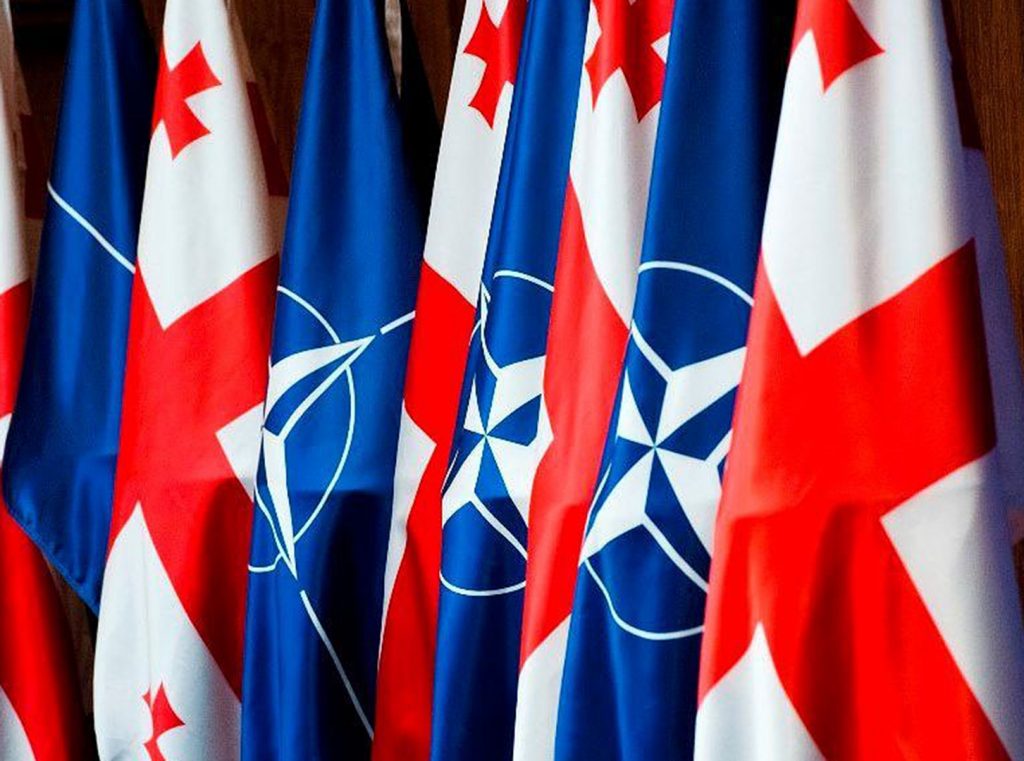
At the 2008 NATO Bucharest Summit, the Alliance promised Georgia a seat at the table. Since then, Tbilisi has done everything that NATO has asked, including military and civilian reforms and meeting the Alliance’s 2% defence spending target.. Despite Georgia’s readiness for the Alliance, a Membership Action Plan remains elusive, raising concerns that NATO has a selective open door policy, due to fears over Russia’s response. The Kremlin views further eastward expansion of NATO as an existential threat.
This online Policy Dialogue assessed the current state of play on NATO-Georgia relations ahead of the 14 June NATO Summit, including looking at areas where ties can be deepened, how NATO can further support Georgia’s resilience to internal and external threats and prospects for Tbilisi receiving a Membership Action Plan. Speakers stressed that Georgia is pursuing ‘strategic patience’ on its path towards NATO, while Georgia is making a substantial contribution to NATO and EU operations. “Georgia is not a consumer of security, but on the contrary, it is a contributor to international security,” stated James Appathurai, Deputy Assistant Secretary General for Political Affairs and Security Policy and NATO Secretary General’s Special Representative for the Caucasus and Central Asia. Nevertheless, it was also highlighted by Matthew Bryza that “Georgia is on its own. Without Article 5, there is no chance that US troops or NATO troops will intervene on Georgia’s side if Russia was to push further and resume military operations. And Moscow knows that…”