SHARE:


Russia in the South Caucasus - Influence, objectives & challenges
PAST
EVENT
EVENT
Jul 15, 2020
15:00 - 16:30
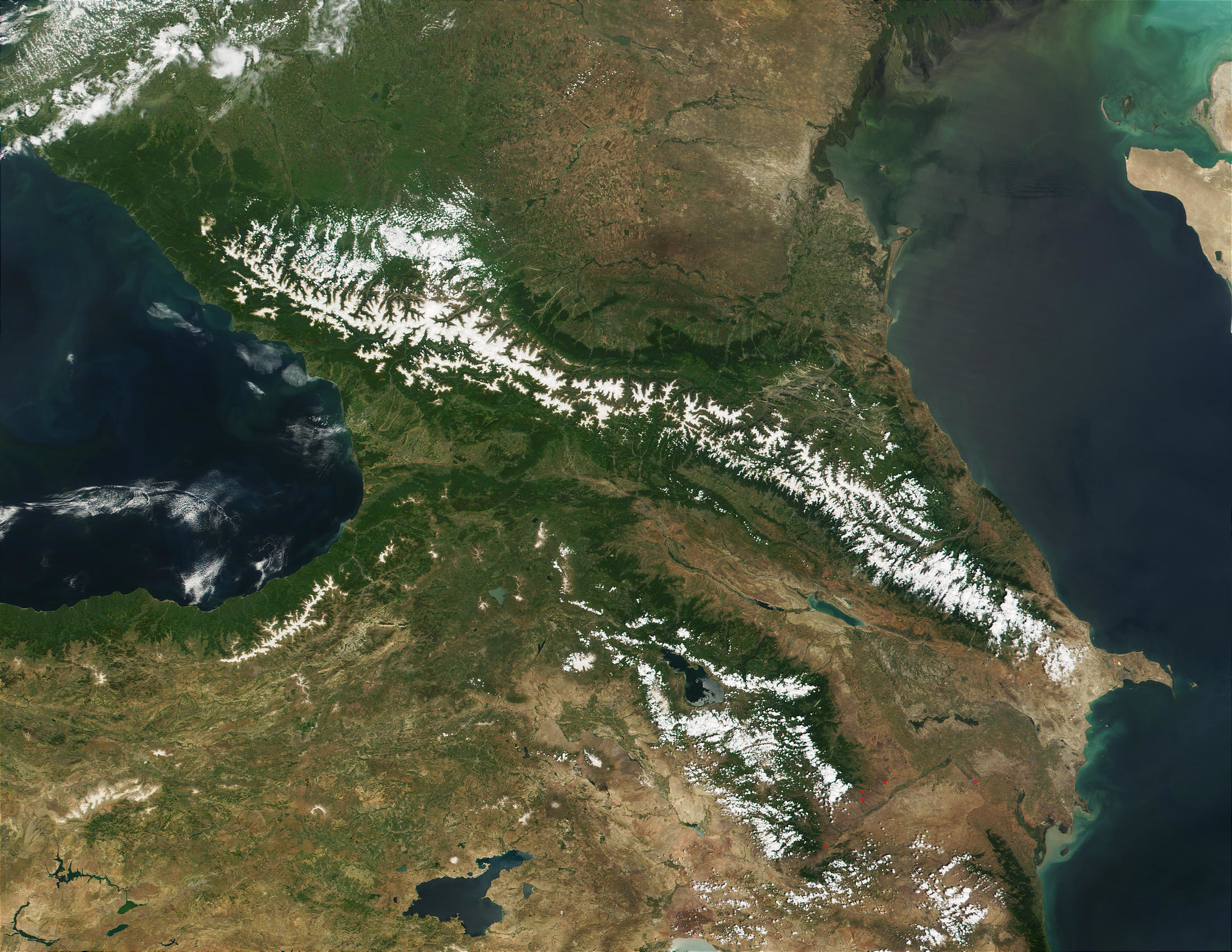
Entangled in competing geopolitical actors, the South Caucasus faces regular challenges and threats to its security as a ricochet of regional and international tensions growing around its own space. Located at the crossroads of Europe and Asia, Russia sees the South Caucasus as an important territory for its strategic interests and power projection. Since the collapse of the Soviet Union, Russia has continued to have significant influence in the region, simultaneously playing the role of peacemaker, troublemaker, arms supplier, regional policeman, and protector of "traditional values". Russia is also a key security actor with military bases in Armenia and in Georgia’s occupied territories of South Ossetia and Abkhazia. As a consequence, none of the protracted conflicts in the region can be resolved peacefully without the engagement of Moscow. Russia also remains wary of Western involvement in the region, viewing it as part of a process of encirclement, including efforts by all three states to enhance political and economic ties with the European Union and in the case of Georgia, aspirations to join NATO.
This Policy Dialogue will assess Russia’s objectives and influence in the South Caucasus, how the region’s three countries view Russia, the impact of other actors in the region, prospects for advancing stability in the region and how Russia’s policy ties in with its priorities in the wider Black and Caspian Sea regions. The discussion will be jointly moderated by Amanda Paul, EPC Senior Analyst and Roxana Cristescu, Director for European Affairs and Head of Eurasia Programme at the Crisis Management Initiative.
PLEASE CLICK HERE TO REGISTER
Moderators
Speakers
The Europe in the World (EiW) Programme scrutinises the impact of a changing international system on Europe and probes how the EU and its member states can advance their interests and values on a regional and global level. It examines the EU’s relations with both major and middle powers around the world, and how Europe can continue to contribute to a rules-based global order. Secondly, the Programme focuses on the role of the EU in fostering reform, resilience and stability in neighbouring regions and looks closely at developments in Turkey and Ukraine, among other countries. Thirdly, the Programme examines and seeks to advance the development of Europe’s security and defence policy.
Coming next
Nov 23, 2026
14:00 - 15:30

Online

Nov 24, 2026
10:00 - 11:30

In Person
Nov 26, 2026
10:00 - 11:15
Online
Dec 02, 2026
14:00-18:30
In Person
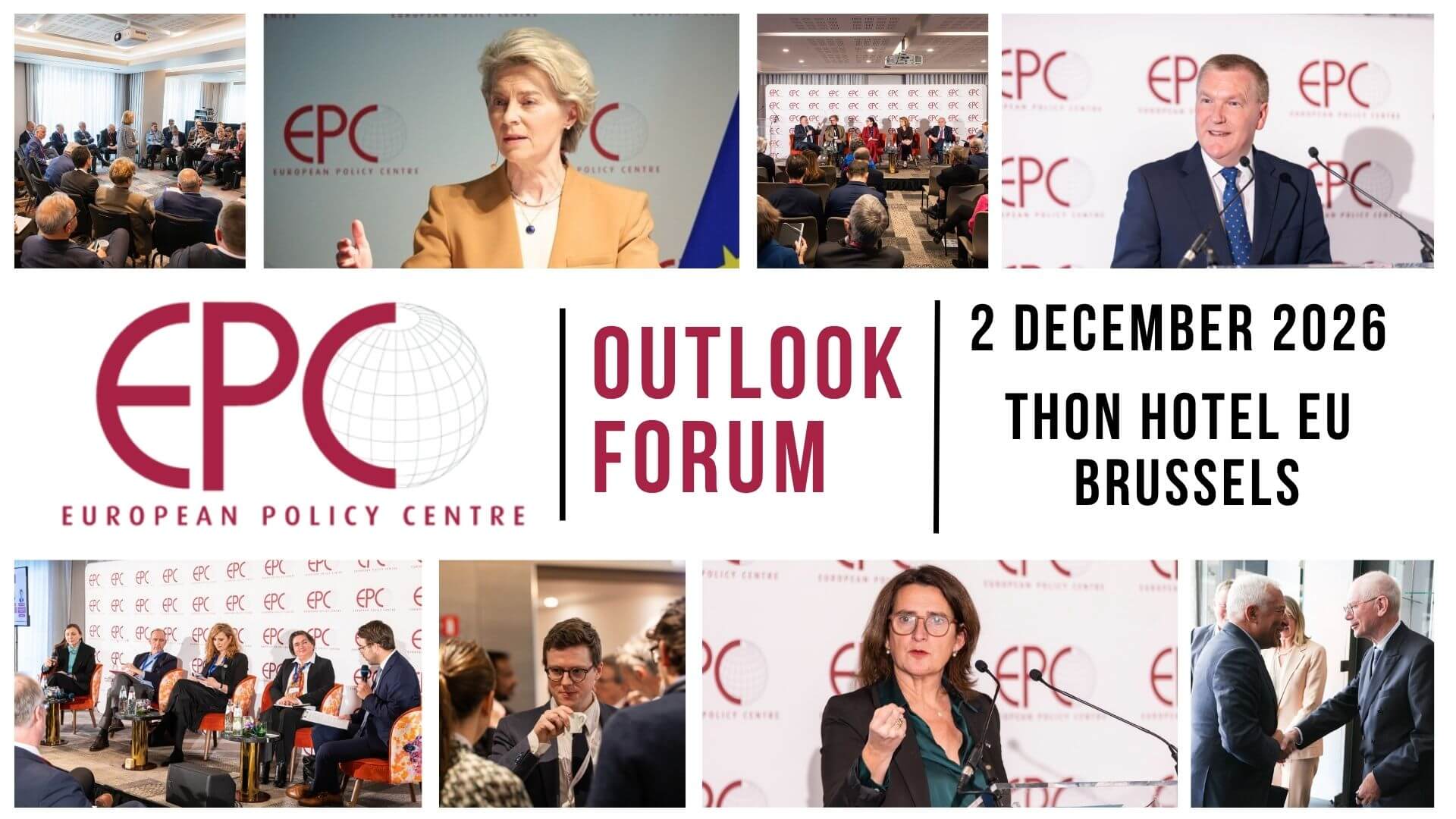
Inaugural EPC Outlook Forum
Dec 03, 2026
09.00 - 10.00
In Person
Dec 08, 2026
12:30 - 14:30

Hybrid