SHARE:


The European Policy Centre turns 20!
PAST
EVENT
EVENT
Oct 21, 2016
00:00 - 00:00
The European Policy Centre celebrated its 20th anniversary on 13 October 2016 with an incredible line-up of speakers and intense discussions on the future of the European project at the Palais des Académies in Brussels. Hundreds poured into the Throne Room to hear EU leaders and high-level policy-makers talk about the state of the Union, and discuss the biggest threats that it is currently facing. The key question put to the speakers, panelists and audience members was whether the Union is at serious risk of polarisation and therefore of unraveling, or whether the upcoming 60th anniversary could be a unique opportunity to regain momentum and make a fresh start.
The European Migration and Diversity (EMD) Programme provides independent expertise on European migration and asylum policies. The EMD Programme's analyses seek to contribute to sustainable and responsible policy solutions and are aimed at promoting a positive and constructive dialogue on migration and mobility.
The Programme follows the policy debate and conducts analysis taking a multidisciplinary approach, examining both the legal and political aspects shaping European migration policies. EMD analysts focus, amongst other topics, on the reform of the Common European Asylum System; the management of the EU’s external borders and the Schengen governance; cooperation with countries of origin and transit; the integration of beneficiaries of international protection and mobile persons into host societies; the links between migration and populism; the development of resettlement and legal pathways; and the EU''s free movement acquis. The EMD team benefits from a strong network of academics, NGO representatives and policymakers, who contribute regularly to publications and policy events.

The European Politics and Institutions Programme covers the EU’s institutional architecture, governance and policymaking to ensure that it can move forward and respond to the challenges of the 21st century democratically and effectively. It also monitors and analyses political developments at the EU level and in the member states, discussing the key questions of how to involve European citizens in the discussions over the Union’s future and how to win their support for European integration. The Programme has a special focus on enlargement policy towards the Western Balkans, questions of EU institutional reform and illiberal trends in European democracies.
The Europe in the World (EiW) Programme scrutinises the impact of a changing international system on Europe and probes how the EU and its member states can advance their interests and values on a regional and global level. It examines the EU’s relations with both major and middle powers around the world, and how Europe can continue to contribute to a rules-based global order. Secondly, the Programme focuses on the role of the EU in fostering reform, resilience and stability in neighbouring regions and looks closely at developments in Turkey and Ukraine, among other countries. Thirdly, the Programme examines and seeks to advance the development of Europe’s security and defence policy.
The Social Europe and Well-being Programme (SEWB) is dedicated to achieving a stronger Social Europe fit to address the social, environmental, economic and political challenges facing the Union today. It focuses on policies that prioritise strong and resilient healthcare systems; modern and inclusive labour markets; eradicating inequalities; investing in the health and well-being of people; making European welfare states and social protection systems fit for the future.
The Sustainable Prosperity for Europe (SPfE) Programme explores the foundations and drivers for achieving a sustainable, resilient and competitive European economy.
Prospering within the planetary boundaries requires rethinking our economic model, including our production and consumption patterns, as well as our energy, mobility and food systems. It requires addressing the climate emergency and environmental degradation, as well as becoming smarter with the resources we have. The transition to the world we want must bring both businesses and people along, if it is to succeed.
The Paris Agreement and the Sustainable Development Agenda provide the direction for travel globally and in Europe, and the SPfE Programme engages in a debate on the drivers and the means for achieving our goals. The Programme focuses on areas where working together across the EU can bring significant benefits to the member states, citizens and businesses and can ensure sustainable prosperity within the limits of this planet.
Coming next
Nov 23, 2026
14:00 - 15:30

Online

Nov 24, 2026
10:00 - 11:30

In Person
Nov 26, 2026
10:00 - 11:15
Online
Dec 02, 2026
14:00-18:30
In Person
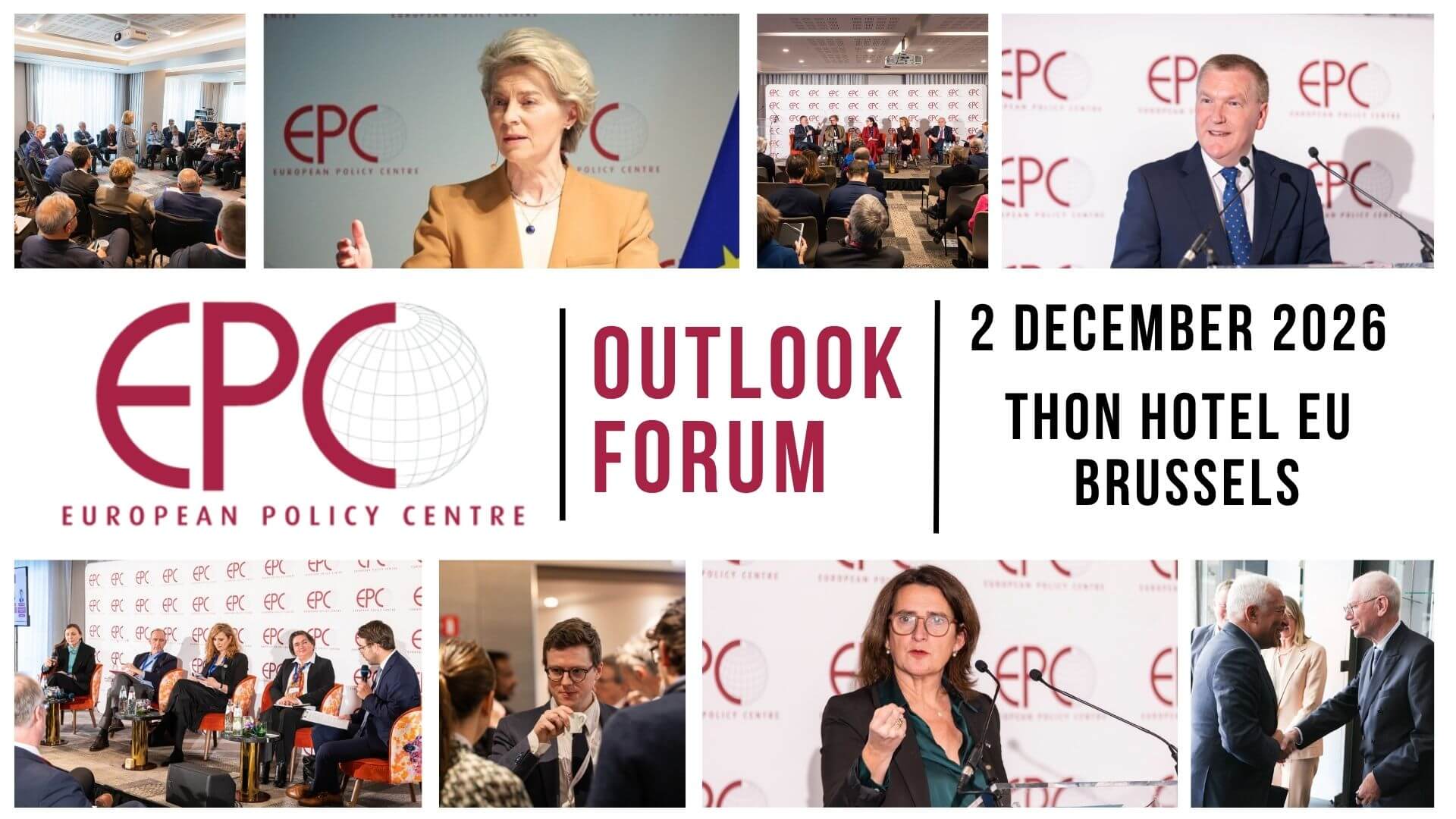
Inaugural EPC Outlook Forum
Dec 03, 2026
09.00 - 10.00
In Person