SHARE:


The government of Moldova’s first 100 days in office
PAST
EVENT
EVENT
Sep 30, 2019
00:00 - 00:00

The Republic of Moldova’s parliamentary elections in February 2019 led to a hung parliament, with no clear winner among the three main parties. After a prolonged hiatus, the pro-EU political alliance ACUM, led by Maia Sandu and Andrei Năstase, struck a surprising deal to form a governing majority with President Igor Dodon's Russia-friendly Party of Socialists. The new majority coalesced around the common goal of displacing from power the powerful oligarch Vladimir Plahotniuc and his Democratic Party.
In June 2019, the new government led by Maia Sandu came into power, after a one-week political crisis during which the previous government refused to relinquish power. In its first 100 days in office, the government has started the reform process and managed to unlock external financial assistance for the country. What has the Moldovan government managed to achieve in its first 100 days and what are the challenges ahead? What dossiers will the government try to advance in the coming months? How is the government managing its pro-EU orientation and President Dodon’s pro-Russia orientation? How can Moldova-EU relations be improved? What should be the priorities for the EU’s engagement with Moldova and with its other Eastern neighbours? What are the expectations for Moldova’s future relations with Russia and what are the prospects for the Transnistria conflict?
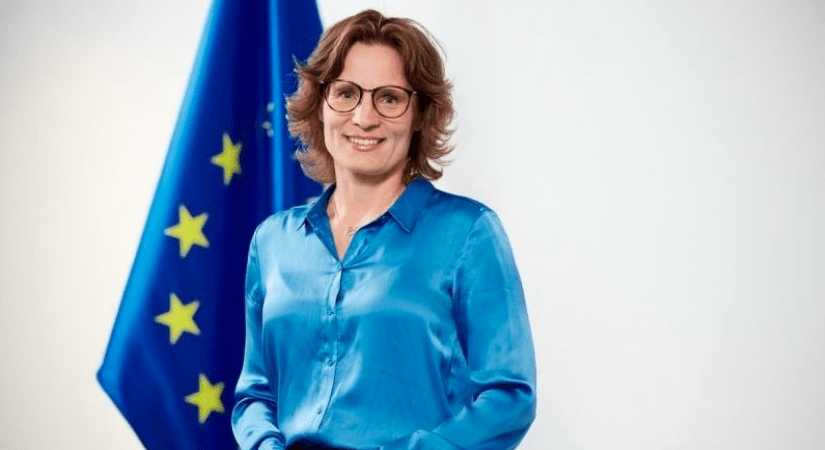
At this Briefing, Prime Minister Sandu will speak about her government’s achievements in its first 100 days, progress on reform and future prospects, including for EU-Moldova relations. She will then take part in a question and answer session, chaired by Paul Ivan, EPC Senior Policy Analyst.
The Europe in the World (EiW) Programme scrutinises the impact of a changing international system on Europe and probes how the EU and its member states can advance their interests and values on a regional and global level. It examines the EU’s relations with both major and middle powers around the world, and how Europe can continue to contribute to a rules-based global order. Secondly, the Programme focuses on the role of the EU in fostering reform, resilience and stability in neighbouring regions and looks closely at developments in Turkey and Ukraine, among other countries. Thirdly, the Programme examines and seeks to advance the development of Europe’s security and defence policy.
Coming next
Nov 23, 2026
14:00 - 15:30

Online

Nov 24, 2026
10:00 - 11:30

In Person
Nov 26, 2026
10:00 - 11:15
Online
Dec 02, 2026
14:00-18:30
In Person
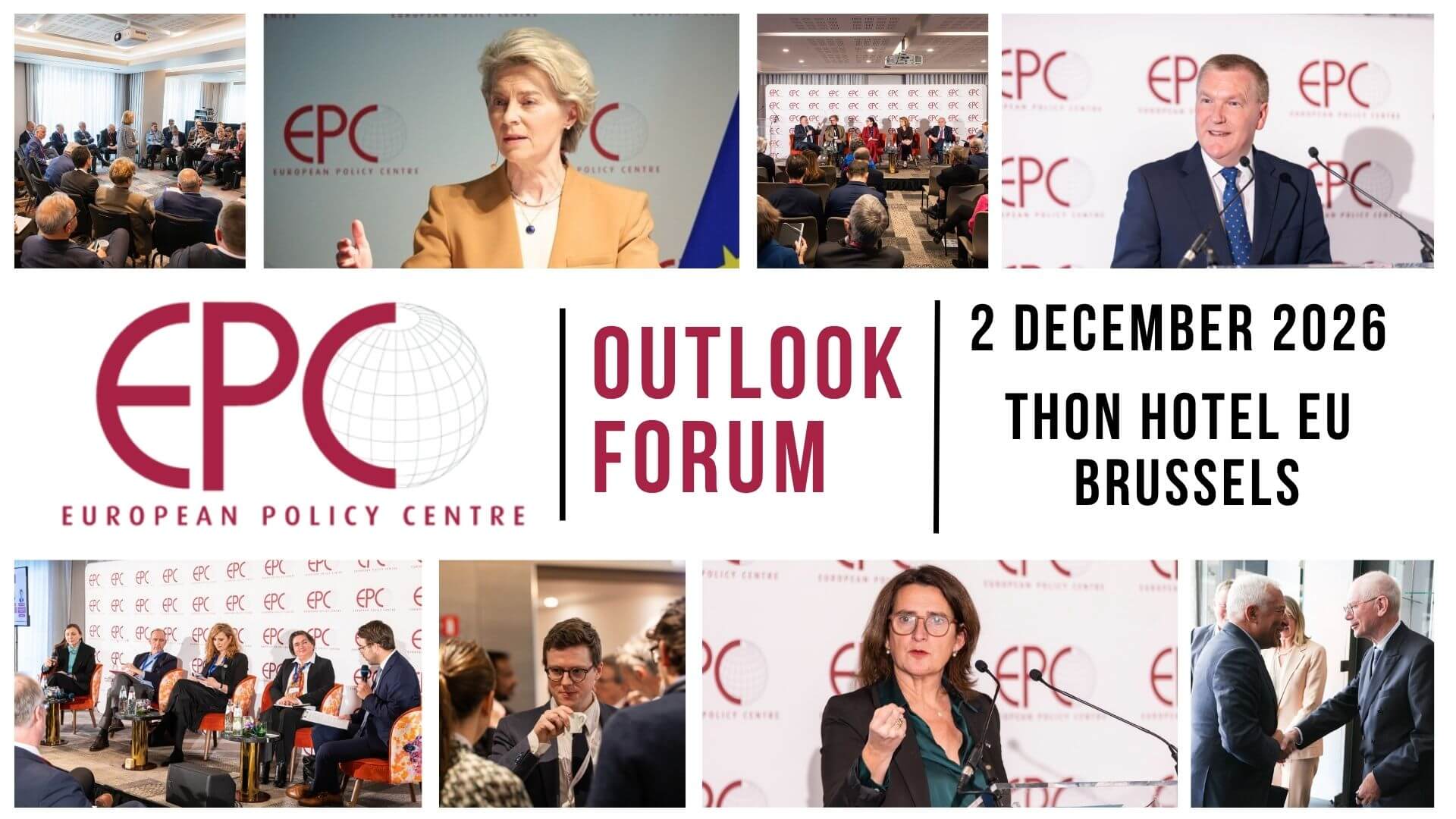
Inaugural EPC Outlook Forum
Dec 03, 2026
09.00 - 10.00
In Person