SHARE:


War in the EU’s neighbourhood: What can and should the EU be doing in the South Caucasus?
PAST
EVENT
EVENT
Oct 14, 2020
12:30 - 14:00
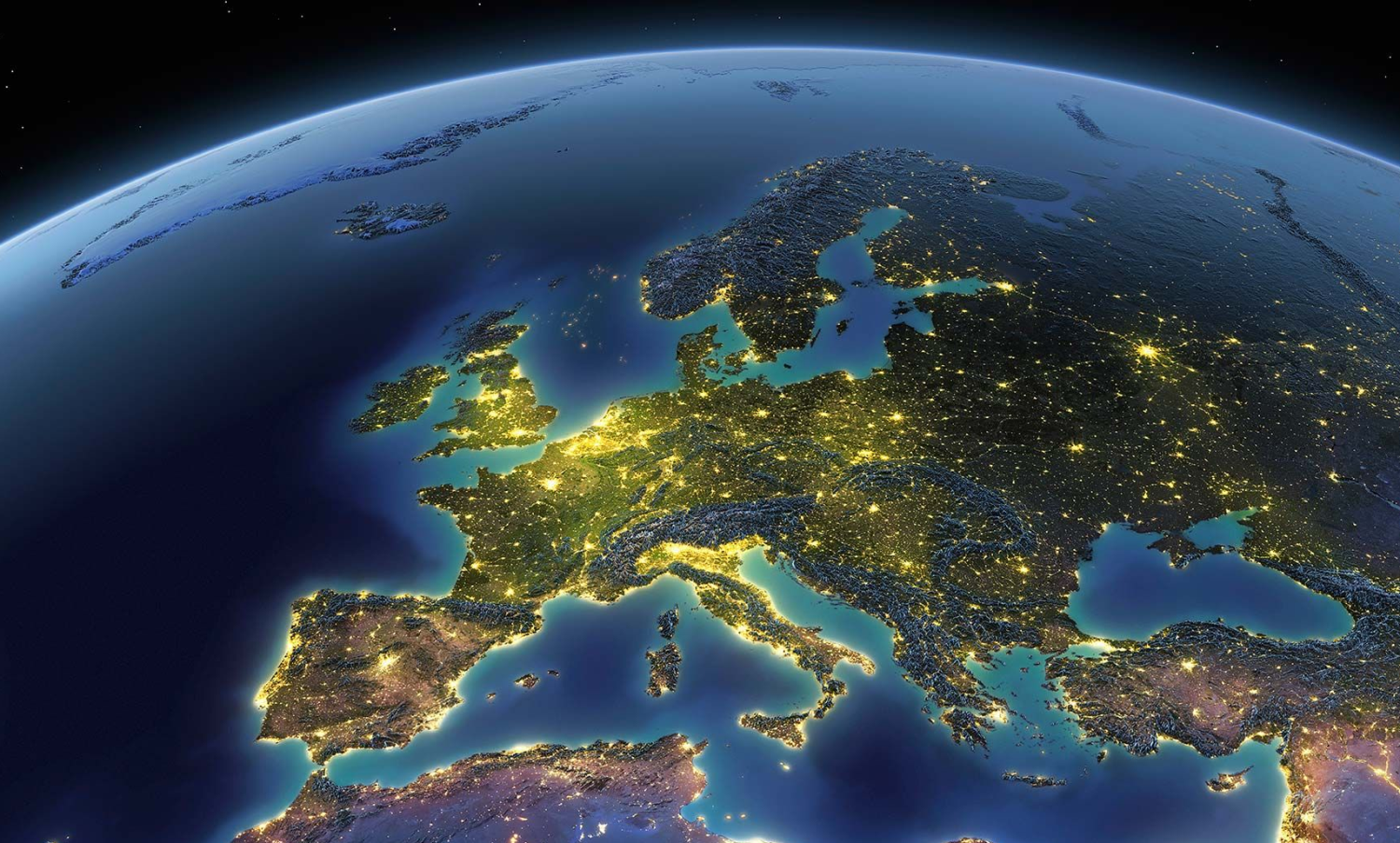
The European Policy Centre (EPC), in cooperation with LINKS Europe, hosted an online round table event on Wednesday, 14 October, enabling experts and parliamentarians, from Armenia, Azerbaijan and the EU to discuss the ongoing conflict in the South Caucasus and the EU's response to it. The title of the round table was "War in the EU's neighbourhood: What can and should the EU be doing in the South Caucasus?"
The speakers at the event were Dennis Sammut, Director, LINKS Europe; Benyamin Poghosyan, Founder and Chairman, Center for Political and Economic Strategic Studies, Yerevan; Fuad Shahbazov, Senior Research Analyst, Center for Strategic Communications, Baku; Nigar Arpadarai, Member of the Azerbaijani Parliament; Mikayel Zolyan, Member of the Armenian Parliament; Andrius Kubilius MEP, Chairman of EURONEST Committee, European Parliament Former Prime Minister of Lithuania
The event which was moderated by Amanda Paul, Senior Policy Analyst, EPC, assisted by William Murray, Project officer and co-ordinator, LINKS Europe, was held under Chatham House rules.
A spokesperson for LINKS Europe in the Hague said that webinair enabled politicians and analysts from across the conflict divide to join EU colleagues to share views and information at a very delicate moment in the ongoing situation around the Nagorno-Karabakh conflict. "LINKS Europe welcomes the fact that event was conducted in a calm and constructive manner, and we are determined to continue providing the space and the platforms necessary for both sides to exchange opinions and make their positions known and better understood.
Moderator
Speakers
The Europe in the World (EiW) Programme scrutinises the impact of a changing international system on Europe and probes how the EU and its member states can advance their interests and values on a regional and global level. It examines the EU’s relations with both major and middle powers around the world, and how Europe can continue to contribute to a rules-based global order. Secondly, the Programme focuses on the role of the EU in fostering reform, resilience and stability in neighbouring regions and looks closely at developments in Turkey and Ukraine, among other countries. Thirdly, the Programme examines and seeks to advance the development of Europe’s security and defence policy.
Coming next
Nov 23, 2026
14:00 - 15:30

Online

Nov 24, 2026
10:00 - 11:30

In Person
Nov 26, 2026
10:00 - 11:15
Online
Dec 02, 2026
14:00-18:30
In Person
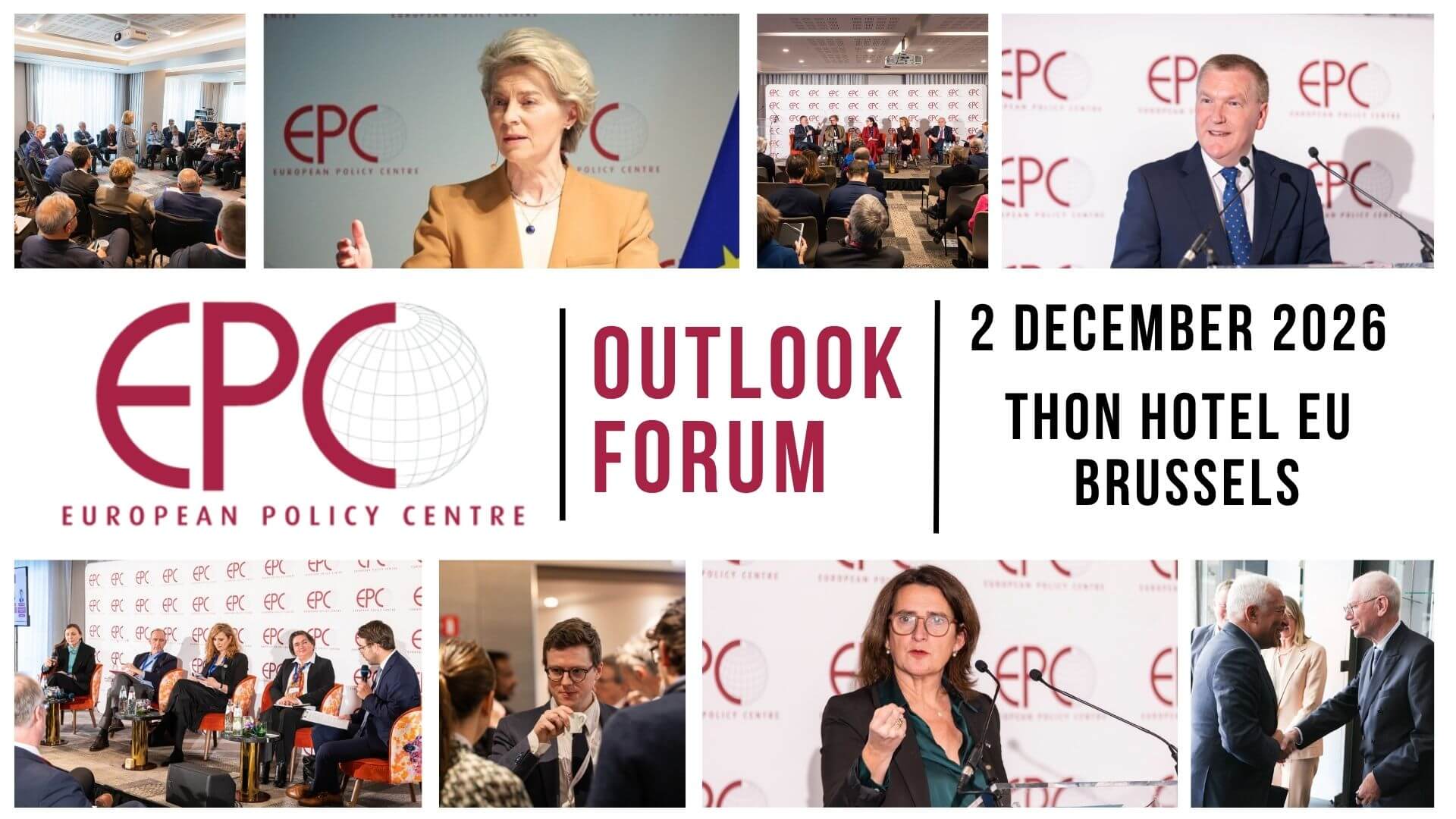
Inaugural EPC Outlook Forum
Dec 03, 2026
09.00 - 10.00
In Person