

30 in 2030? Making Montenegro’s EU accession a success story
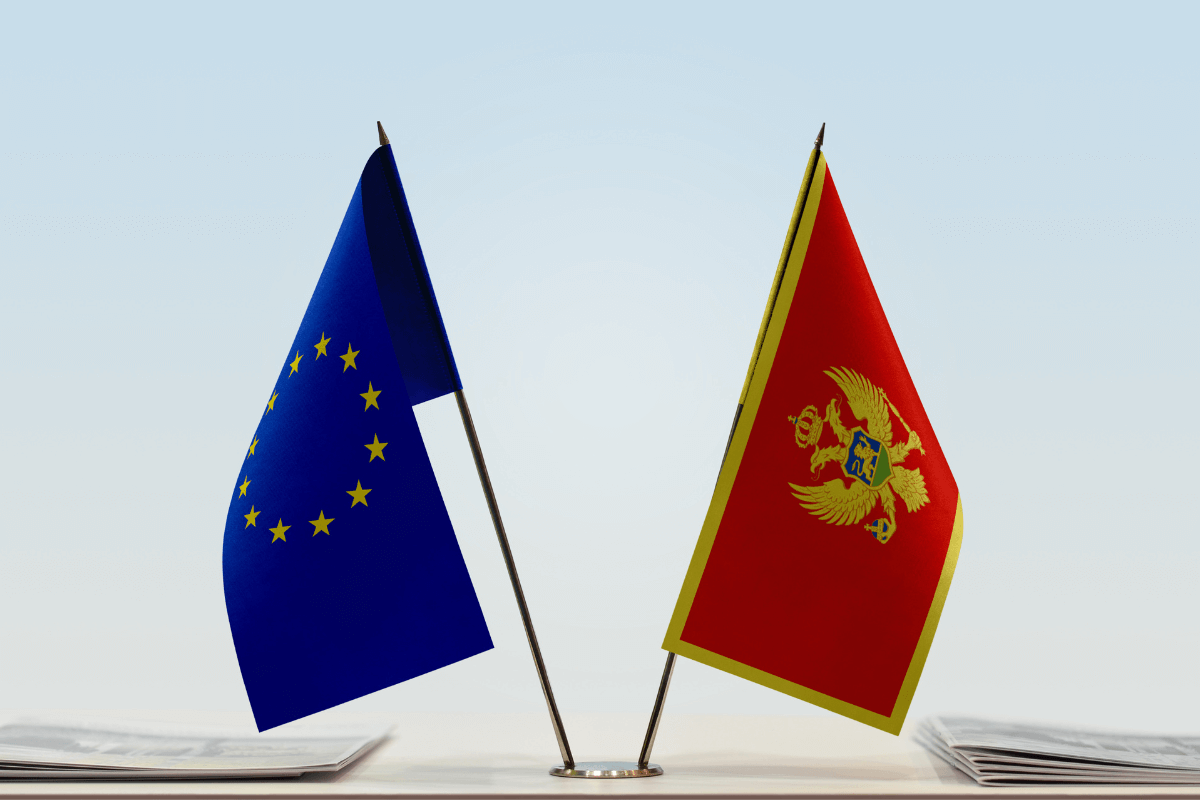

Montenegro is a test case for the EU’s ability to engage with the enlargement process in a different way within the framework of the current methodology and to demonstrate actual – not just rhetorical – commitment to the policy. Allowing Podgorica to join already, during the current politico-institutional cycle, could serve to restore the credibility of the membership perspective offered to the Balkans, further motivate reform in Ukraine and Moldova and prove that the EU is capable of responding effectively to the tectonic geopolitical shifts triggered by Russia’s war in Ukraine.
If Montenegro were to join the EU in the next few years, it would set a precedent for any potential entries thereafter, as well as for the future of enlargement policy. The EU should therefore make sure that Montenegro’s accession is a real success story for the EU, for the new member and for the enlargement dossier as a whole. To plan for such a win-win outcome, the EU and its members should properly prepare Montenegro’s accession with clear and detailed plans, which outline the steps to be taken both by Montenegro and the EU in the near future. Foreseeing a more active and substantive role for civil society involvement will be key to ensure that the process is transformative.
Read the full commentary here.
Berta López Domènech is a Policy Analyst in the European Politics and Institutions Programme at the European Policy Centre.
The support the European Policy Centre receives for its ongoing operations, or specifically for its publications, does not constitute an endorsement of their contents, which reflect the views of the authors only. Supporters and partners cannot be held responsible for any use that may be made of the information contained therein.