

Feeling the heat: Why EU climate resilience needs a gender perspective
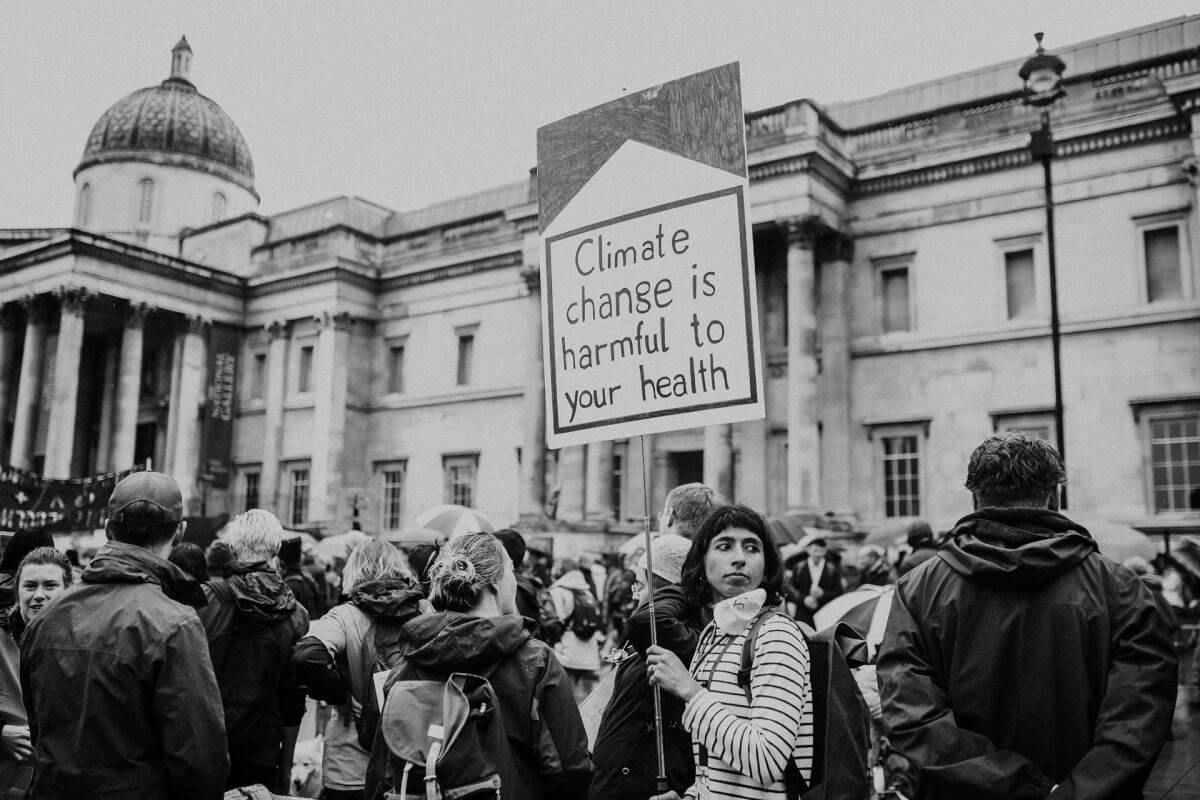

As preparations for COP31 heat up in Antalya, Europe is cooling off after a season of climate extremes, including the warmest summer ever recorded in Western Europe. This raises the stakes for the EU’s climate resilience agenda. To deliver on preparedness, the agenda needs to embed gender-responsive health considerations more firmly, because a siloed approach risks undermining societal resilience and the EU’s credibility as a global leader on gender equality and climate.
Who bears the risk?
Heat, extreme weather and disruption to essential services affect everyone, but not equally. Exposure to climate hazards, vulnerability to their effects and the capacity to cope are shaped by factors including age, disability, socioeconomic status and gender and their various intersections.
In summer 2024, 46.7% more women than men died from heat-related causes: 32,390 women against 22,085 men. The same pattern appeared in 2023 and 2022, and early reports for summer 2026 repeat it: in Spain, women accounted for 60% of heat-attributable deaths.
Physiological differences play some role, but other factors, including age, living conditions and gendered social roles, weigh more. Heat mortality is highest among older age groups. Of EU residents aged 80 and over, 62.5% are female and many live alone. Globally, women also spend 30 to 50% more of their working time above heat-stress thresholds. Their disproportionate share of unpaid care and housework further increases exposure to heat.
Research on women’s health is growing, but gaps remain. In thermoregulation research, women made up only 12 to 18% of participants over the past decade, and EU-wide statistics on excess mortality do not systematically disaggregate by sex.
Studies also link extreme weather events to heightened stress, financial burdens and mental health difficulties, which are associated with an increase in gender-based violence and domestic abuse.
A gap between commitments and implementation
The EU has a Treaty obligation to aim to eliminate inequalities and promote gender equality. At COP30, the EU signed the Global Statement on Gender Equality and Climate Action, pledging to integrate gender into climate plans, policies and funding mechanisms. The question is one of operationalisation beyond symbolic mentions.
On this, the record is thin. The 2021 EU Strategy on Adaptation to Climate Change gives the issue only one sentence, acknowledging the different adaptive capabilities of men and women, and a footnote, but it recommends no concrete action.
The 2026–2030 Gender Equality Strategy voices the ambition to mainstream gender in climate policy but is short on measures. It mentions mainstreaming gender in the 2028–2034 Multiannual Financial Framework (MFF), yet gender equality remains the least institutionalised horizontal priority in the proposal.
The Strategy includes a chapter on health, which is welcome and overdue, especially considering the decline in gender equality in health in 15 out of 27 member states since 2020. Still, there is no mention of climate-aggravated health risks. Those only appear in the external action chapter, commensurate with the EU’s external Gender Action Plan III. However, climate change is not just a story of developing countries: Europe is the fastest-warming continent, heating up at twice the global average.
This makes the Commission’s new EU Framework for Climate Resilience much needed. However, while the proposed European Climate Resilience Law recognises the uneven distribution of climate risks and the need for comparable data, it is not gender-sensitive. The proposed loss-of-life indicator, though welcome, has no breakdown by sex or age.
Ignoring gender weakens resilience and preparedness
Climate and health are closely interlinked, as championed by the One Health approach. When they are not integrated, and when gender is left out, resilience planning has gaps exactly where preparedness will be tested.
First, we cannot protect people who are not captured in the data. The EU should make collecting and publishing sex- and age-disaggregated data the default, including in its climate resilience plan. The European Health Data Space, currently being rolled out, is also a transformative opportunity for women’s health, but only if sex and gender are built into it from the outset. Retrofitting it will be far more costly.
The announced EU Heatwave Plan should also be gender-sensitive: a warning system targeted by age or territory alone cannot show whether it reaches, for instance, older women living alone.
Second, the care system is both the front line and the shock absorber. Women make up about 78% of EU health workers and 87.5% of nursing and midwifery professionals. When formal systems are overburdened, the gap falls on informal, unpaid carers, again mostly women, which risks slowing their own recovery and entrenching caregiver roles. Resilience planning that fails to recognise the value of unpaid care mistakes a subsidy for capacity, and the upcoming European Care Deal is a good place to address this.
Third, the MFF negotiations give legislators a chance to make gender equality a horizontal priority in practice, not just on paper. At the very least, beyond the Performance Regulation, the funds linked to resilience, health and care should carry gender objectives and sex-disaggregated indicators.
Gendered impacts of climate change have received limited attention in the Union’s internal climate policy. Abroad, the EU champions gender-responsive climate action, from COP31 to external action instruments. Yet it cannot credibly promote standards that are not applied at home. Mainstreaming gender into the frameworks under negotiation is a good place to start.
Karina Smreková is a Junior Policy Analyst in the Health and Societal Resilience Programme at the EPC.
The support the European Policy Centre receives for its ongoing operations, or specifically for its publications, does not constitute an endorsement of their contents, which reflect the views of the authors only. Supporters and partners cannot be held responsible for any use that may be made of the information contained therein.