

Building a resilient and inclusive demographic future
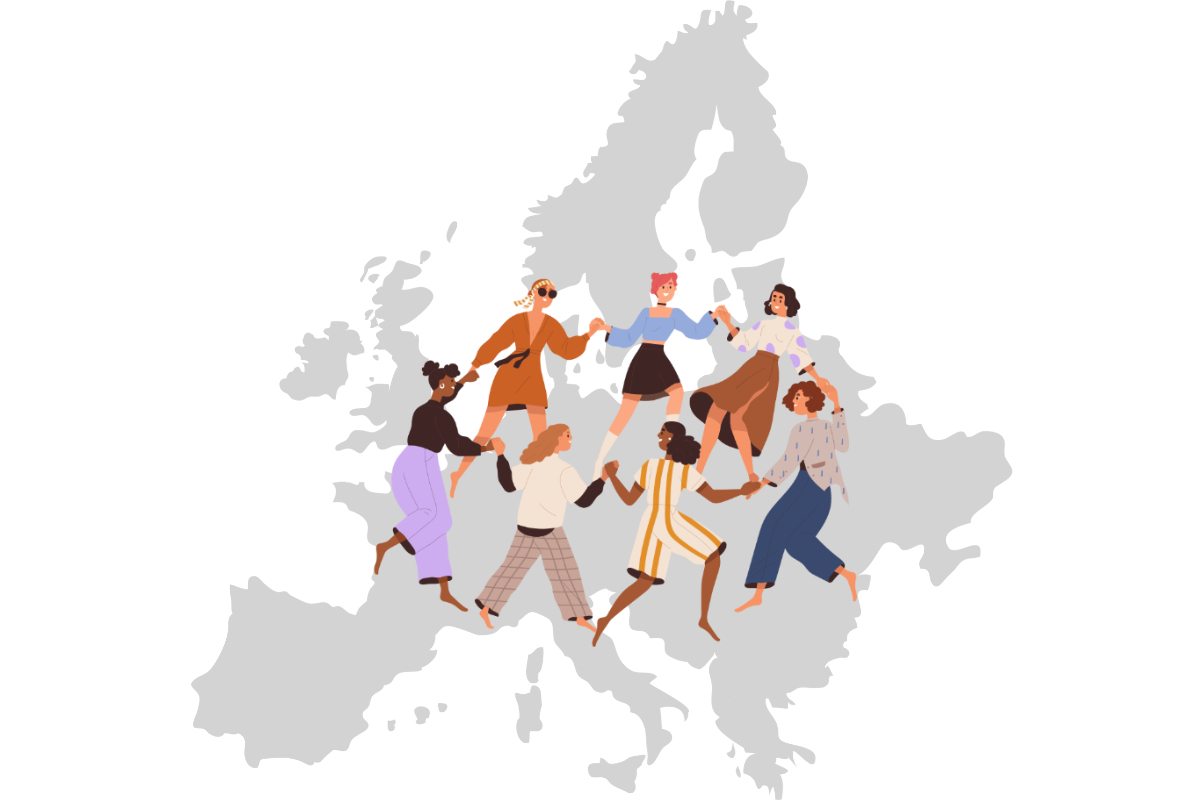

Europe's demographic transformation is reshaping its economies, labour markets, territories and social systems. Population ageing, low fertility, changing migration patterns and widening territorial disparities raise important questions about the sustainability of public services, social protection and intergenerational fairness. At the same time, longer lives are a major societal achievement.
The challenge is to ensure that people and communities can thrive amid demographic change. This requires moving beyond policies focused primarily on fertility rates, population size and labour supply towards an approach centred on sustainable and inclusive wellbeing: improving people's quality of life today, reducing inequalities and safeguarding the wellbeing of future generations within planetary boundaries.
Drawing on the MERGE Policy Lab on demographic resilience, held in July 2026 and organised by the European Policy Centre, this Policy Brief identifies six priorities for action:
- Put sustainable and inclusive wellbeing at the centre of demographic policy, by integrating demographic analysis in the planning, delivery and evaluation of policies and funding programmes.
- Support family and life aspirations through affordable housing, childcare, reproductive healthcare, economic security, parental and care leaves, and gender equality.
- Make the right to stay meaningful through place-based investment in essential services, housing, social infrastructure, community wellbeing and green local economic opportunities, strengthening territorial cohesion and democratic resilience.
- Build inclusive labour markets and skills for the green and digital transitions through greater participation, better utilisation of migrants’ skills, quality employment, lifelong learning and equitable access to green jobs.
- Ensure fair and human-centred adoption of AI and robotics, combining technological innovation with human capabilities while safeguarding job quality, social inclusion and the sustainability of welfare systems.
- Strengthen integrated, placed-based and intergenerational governance through coordinated policymaking, multistakeholder partnerships and meaningful participation by young people, women and affected communities.
This Policy Brief was originally published by the MERGE Project. Read the full Policy Brief on their website.
This project has received funding from the European Union’s Horizon Europe research and innovation programme under Grant Agreement no 101132524.
The support the European Policy Centre receives for its ongoing operations, or specifically for its publications, does not constitute an endorsement of their contents, which reflect the views of the authors only. Supporters and partners cannot be held responsible for any use that may be made of the information contained therein.