

Ireland takes charge in Brussels: Priorities, politics and the EPC
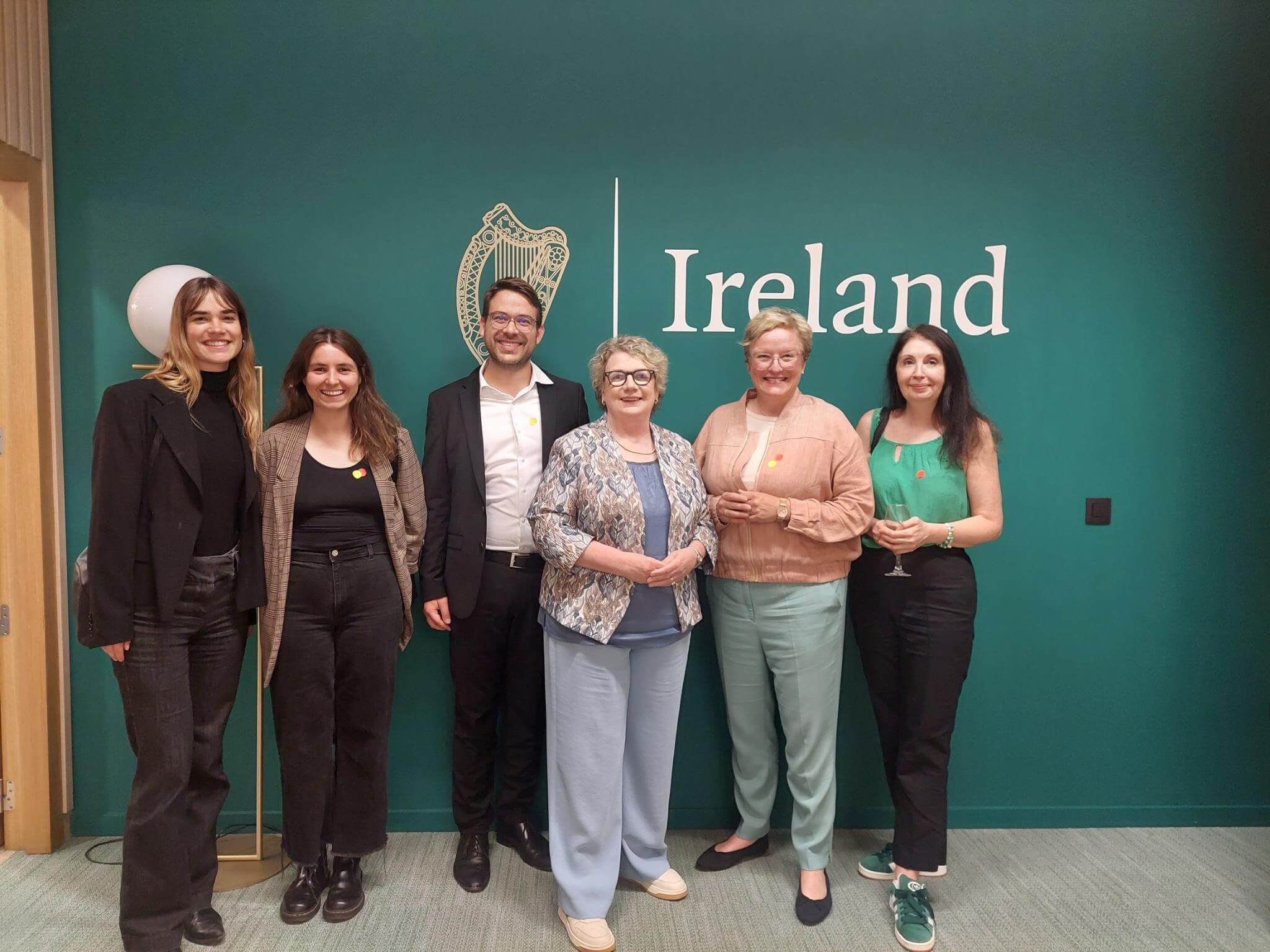
As Ireland assumes the Presidency of the Council of the EU today, the European Policy Centre (EPC) offers a strong outlook on the debates that will shape the EU’s agenda over the next six months – and beyond. High on everyone's agenda are enlargement, security, competitiveness, and the EU's role in an increasingly contested geopolitical environment.
Under the guiding principle of "strength with unity," the Irish Presidency has a particular resonance for the EPC. The think tank's President, Brigid Laffan, is from Ireland and one of Europe’s leading scholars of EU affairs. She is the chancellor of the University of Limerick, founding director of the Dublin European Institute, University College Dublin, and a member of the Royal Irish Academy. EPC Governing Board Chair Declan Kelleher spent his career at the forefront of Irish diplomacy, including as Ambassador to the European Union and China. Their leadership and expertise reflect the EPC’s close connection to European policymaking and special insights and influence during the new Presidency.
“At the heart of the EU and with an active outreach to European capitals, the EPC is well placed to help inform decisions and advance debate on pivotal EU policies at this critical time for the EU and its members. These include the next multiannual EU budget, enlargement, and decisions to strengthen European security.”
– Declan Kelleher, Chair of the EPC Governing Board
In the run-up to this six-month leadership, EPC hosted an EU Presidency Breakfast Briefing with Ireland's Ambassador to the EU, Aingeal O'Donoghue. She shared insights on the opportunities and challenges facing her country as it takes on the EU’s rotating leadership. A recording of the event is available here.
Just days before Ireland took the helm, Brigid Laffan and EPC Chief Executive Fabian Zuleeg explored EU Enlargement and other Irish priorities at an event in Dublin. The discussion was co-hosted by the Institute of International and European Affairs (IIEA), the leading Irish think tank on European and international affairs.
In addition to expertise on EU Enlargement, the EPC has long been working on other Presidency priorities: competitiveness, values and security. In the autumn, EPC Director for European and Global Affairs Almut Möller will continue her active contribution to the EU Security Initiative (EUSI) Policy Dialogues. Led by the European University Institute, this Dialogue will take place in Dublin in collaboration with the Irish Ministry for Foreign Affairs and Trade and the IIEA. Previous seminars were held in past EU Presidency capitals: Nicosia, Copenhagen and Warsaw.
The EPC is also contributing its expertise to help shape EU health policy. Associate Director Elizabeth Kuiper will share insights at the Dublin high-level ministerial conference covering Women's Health (“Securing our future through prevention, innovation and equity”, 16–17 November). On 2 July, she will also moderate a life science policies session at the Irish Presidency Forum of The Parliament Magazine.
Ireland will also help steer decisions on the EU’s 2028–34 budget — the Multiannual Financial Framework — shaping the bloc’s strategic direction and long-term priorities. The EPC looks forward to engaging with Irish policymakers and leaders to continue to help shape the future of the EU.
For all media queries, please contact media@epc.eu.
The following EPC experts – among others – are available for interviews:
- On Competitiveness: Chief Executive Fabian Zuleeg and Associate Director Georg Riekeles
- On Security: Director for European and Global Affairs Almut Möller and Senior Policy Fellow Paul Taylor
- On Values: Director of Studies Janis Emmanouilidis and Associate Director Corina Stratulat
- On Health and Social policies: Associate Director Elizabeth Kuiper
The support the European Policy Centre receives for its ongoing operations, or specifically for its publications, does not constitute an endorsement of their contents, which reflect the views of the authors only. Supporters and partners cannot be held responsible for any use that may be made of the information contained therein.