


From sea to space: How the EU can turn the tide on the Arctic
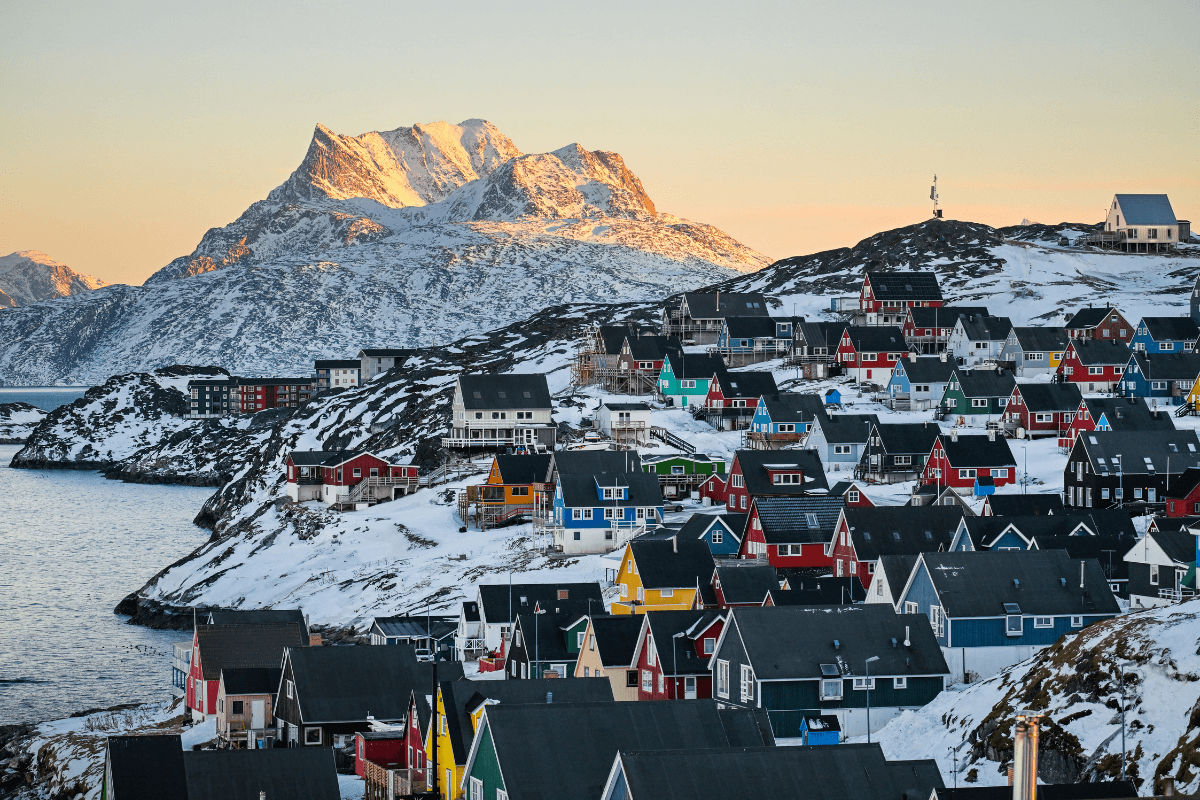



The EU will issue a new Arctic strategy in autumn 2026, a few months after Germany warned, again, that Russia could attack NATO territory before 2029 – an assessment broadly shared across NATO and the EU. That attack could come in the Arctic or the Baltic Sea region, or in both simultaneously. Both already face infrastructure sabotage, aerial and maritime incursions, and cyberattacks – exposing vulnerabilities across Europe’s northern flank.
These are not isolated Arctic problems. They are symptoms of wider European politico-military weakness over a prolonged period: Russia’s war against Ukraine is in its 12th year, its hybrid war against the EU and NATO is in its 20th and Europe’s race to rebuild military capabilities has just begun. The pressures are compounded by great power competition in the Arctic, America’s retrenchment, Russia’s threat, China’s polar probing, and a rapidly changing environment caused by climate change.
Against this backdrop, the current EU’s 2021 Arctic policy, focusing on a peaceful, sustainable and prosperous Arctic, has fallen behind new strategic realities. The EU must accelerate action to prepare for short-term risks in 2026- 2028, without losing sight of a longer-term vision. Success will depend on whether the EU can proactively shape the region’s security amid growing threats and the increased presence of great powers.
Download the full Policy Brief here.

Maria Martisiute is a Policy Analyst at the European Policy Centre.
Linda Solstrand Dahlberg is the Head of Brussels Office, UiT – The Arctic University of Norway.
Tobias Etzold is a Senior Adviser at the European Policy Centre.
The support the European Policy Centre receives for its ongoing operations, or specifically for its publications, does not constitute an endorsement of their contents, which reflect the views of the authors only. Supporters and partners cannot be held responsible for any use that may be made of the information contained therein.