

Russian negotiating style. When does the West learn?
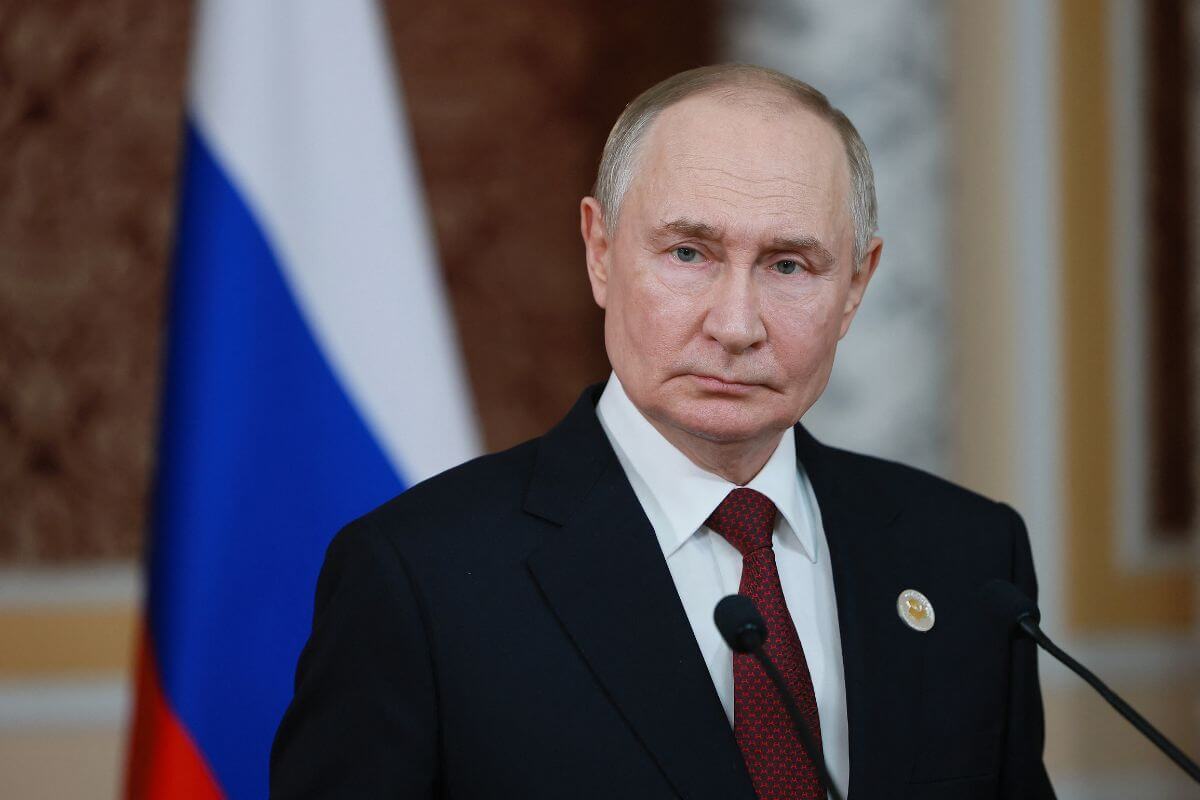
Russia’s negotiating style is rooted in power, patience and prestige, not compromise. Russia has consistently approached diplomacy as an extension of conflict rather than a means to resolve it. Understanding this mindset is vital if Europe and its allies are to deter, rather than accommodate, Moscow.
This paper identifies seven enduring traits of Russian statecraft that continue to shape its diplomacy:
1. GREAT-POWER BY RIGHT – the belief that no major international question should be settled without Russia’s participation;
2. BORDERS AND BOUNDLESSNESS – an ambiguous relationship with borders that keeps neighbours uncertain;
3. INSTRUMENTALISED IDENTITY – the political use of identity, particularly “Russians abroad”, as a tool of influence;
4. RUSSIA SHOULD BE FEARED – projecting power through intimidation, with respect earned by fear rather than trust;
5. HONOUR AND INFLUENCE – insisting on parity with the United States and China, favouring bilateralism and equating dignity with strength;
6. ZERO-SUM LOGIC – viewing global politics as a contest in which one side’s gain is another’s loss;
7. EXPERIENCE AND DECEPTION – combining skilled diplomacy with maskirovka and hybrid warfare to mislead the West.
For the West, effective engagement requires realism, deterrence and unity, not misplaced faith in goodwill negotiations.
Read the full Discussion Paper here.
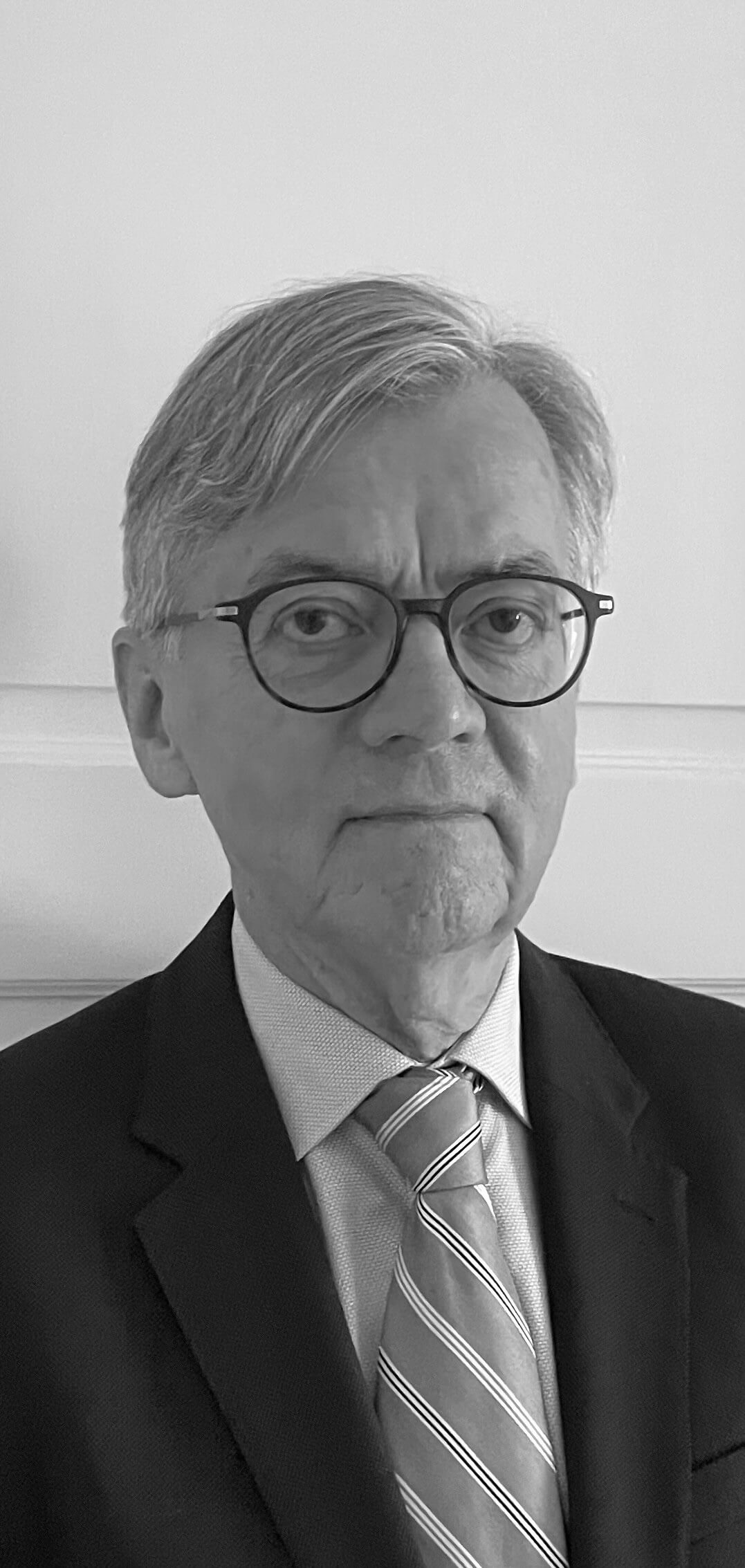
Carsten Søndergaard is the former Danish ambassador to Moscow and a fellow at Nordic Humanities Centre. He is also a member of the Governing Board at the European Policy Centre.
The support the European Policy Centre receives for its ongoing operations, or specifically for its publications, does not constitute an endorsement of their contents, which reflect the views of the authors only. Supporters and partners cannot be held responsible for any use that may be made of the information contained therein.