

Türkiye’s renewed Kurdish peace process: Implications for Europe
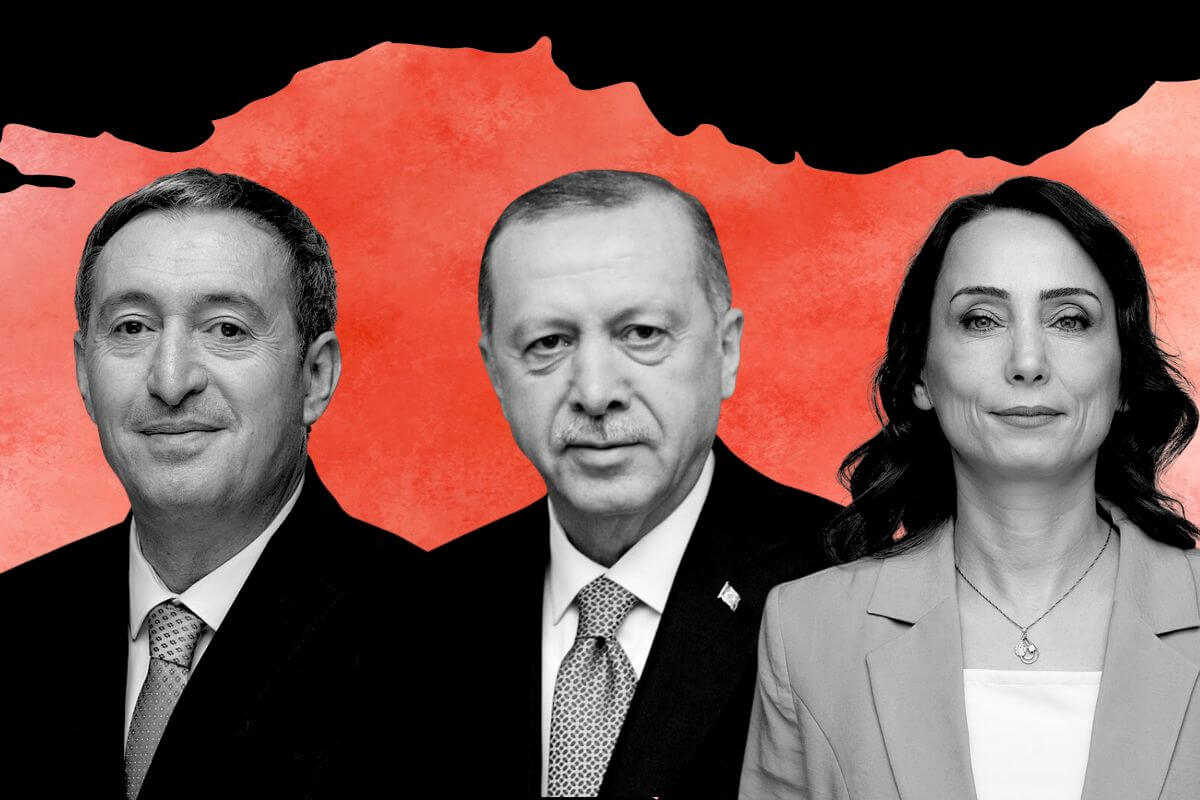
Türkiye’s renewed Kurdish peace initiative carries major implications for Europe – from migration management to regional stability. However, it unfolds under authoritarian conditions, with opposition leaders prosecuted and mayors replaced by trustees, raising doubts about reconciling security cooperation with democratic norms.
On 22 October 2024, Ankara launched what it calls a path to “terror-free Türkiye”, reviving efforts to resolve the long-standing Kurdish conflict. Led by President Recep Tayyip Erdoğan’s ally Devlet Bahçeli of the Nationalist Movement Party (MHP) and supported by a disarmament call from jailed PKK (Partiya Karkerên Kurdistanê, the Kurdistan Workers’ Party) leader Abdullah Öcalan, the process marked its first anniversary with a symbolic disarmament ceremony.
For the EU, the initiative matters for migration, counterterrorism, democracy and regional stability. However, it unfolds amid growing pressure on Türkiye’s opposition – Republican People’s Party (Cumhuriyet Halk Partisi, or CHP) candidate Ekrem İmamoğlu and Kurdish leader Selahattin Demirtaş remain imprisoned despite European Court of Human Rights (ECHR) rulings. This reflects the EU’s central dilemma: advancing peace while democratic opposition is repressed, a contradiction Brussels cannot ignore.
State of play
Ankara’s previous peace bid collapsed in 2015 amid the Syrian civil war’s spillover and shifting domestic politics, exposing how leader-level trust buckles without institutional safeguards. Today’s effort looks even more precarious and leader-centric, yet converging regional and domestic pressures have created a tentative opening.
The Assad regime’s collapse reshaped Syrian and Iraqi alliances, while Israel’s rise and Iran’s decline increased pressure on the PKK, narrowing its options. The group pursued a negotiated exit as Ankara sought to boost its regional influence. On 27 February 2025, Öcalan called for disarmament. The PKK agreed, formally dissolving in May, with symbolic disarmament starting in July. Meanwhile, Türkiye’s Parliament formed a “National Solidarity, Brotherhood and Democracy Commission” to consult civil society and draft reforms.
At home, the ruling alliance faces pressure after the CHP’s 2024 local election victories. Erdoğan’s bid to amend the constitution for another presidential term hinges on gaining additional parliamentary support – potentially from the pro-Kurdish Peoples’ Equality and Democracy Party (DEM). Kurds express cautious optimism after years of repression, but critics warn the process may co-opt them into Erdoğan’s camp, reinforcing autocracy through a managed opposition.
The paradox of conditional progress
Lasting conflict reduction could scale back security forces in Kurdish regions and cross-border operations while expanding civic space and restoring cultural rights. For Kurds, it offers a chance for political participation free from persecution, if backed by institutional guarantees.
However, structural weaknesses persist. There are no independent monitors, and the parliamentary Commission lacks enforcement power. The process remains tied to Erdoğan’s bid to prolong his rule, creating unequal incentives in which Kurdish actors may trade short-term gains for uncertain future reforms.
Its credibility will depend on how reforms are sequenced and implemented – from revising penal execution laws and releasing political prisoners like Demirtaş to ending the practice of appointing trustees over opposition-led municipalities. Broader cultural and linguistic rights are expected through constitutional amendments, which have sparked concern among opposition parties about overextending Erdoğan’s presidency.
This asymmetry also strains opposition unity. The CHP supports peace in principle but rejects constitutional changes that could entrench authoritarianism. While Bahçeli’s backing has limited nationalist backlash, the İYİ and Victory Parties remain firmly opposed.
Syria further complicates the picture. Ankara expected Kurdish autonomy to dissolve under Damascus post-Assad. Instead, the Syrian Democratic Forces (SDF) – a coalition of armed groups in Northern Syria – have maintained capacity. US-brokered talks with Damascus continue without resolution. This leaves Ankara pursuing peace with the PKK at home while opposing Kurdish autonomy in Syria – a contradiction that undermines the initiative’s coherence.
Europe’s stakes
For Europe, the stakes are multifaceted. Turkish instability directly impacts refugee flows and migration management, with nearly three million registered Syrians and a large Kurdish diaspora shaping Europe’s internal and external politics.
The peace talks go beyond security cooperation – they test Türkiye’s democratic path. The EU, long critical of Ankara’s authoritarian drift, now has a chance to support reform through principled engagement. A rights-based settlement would serve both European values and strategic interests. Yet, EU- Türkiye coordination on Syria remains weak, even as European views on Kurdish autonomy and Syrian governance increasingly shape Ankara’s domestic calculations.
A roadmap for European engagement
This moment calls for strategic European engagement. The EU should pursue a dual-track approach – maintaining dialogue with Ankara, Kurdish parties, opposition and civil society – to expand political space rather than reinforce authoritarianism.
European actors must stress that peace without democracy is unsustainable: credibility erodes while opposition leaders remain jailed and elected mayors are replaced by trustees.
Although both Ankara and Kurdish representatives are wary of external involvement, Europe can foster trust through indirect, rights-based engagement.
As security continues to dominate regional policy, Europe must embed rights-based conditions within its security architecture, not treat them as separate concerns. Allowing this process to fail through inaction risks deeper instability. Europe should seize this imperfect opening to anchor the peace process in a democratic, rights-based framework.
Seren Selvin Korkmaz is Co-Founder and Co-Director of the IstanPol Institute in Istanbul.
The support the European Policy Centre receives for its ongoing operations, or specifically for its publications, does not constitute an endorsement of their contents, which reflect the views of the authors only. Supporters and partners cannot be held responsible for any use that may be made of the information contained therein.