

Fascism rarely arrives with a coup; it grows and hollows out society from within.
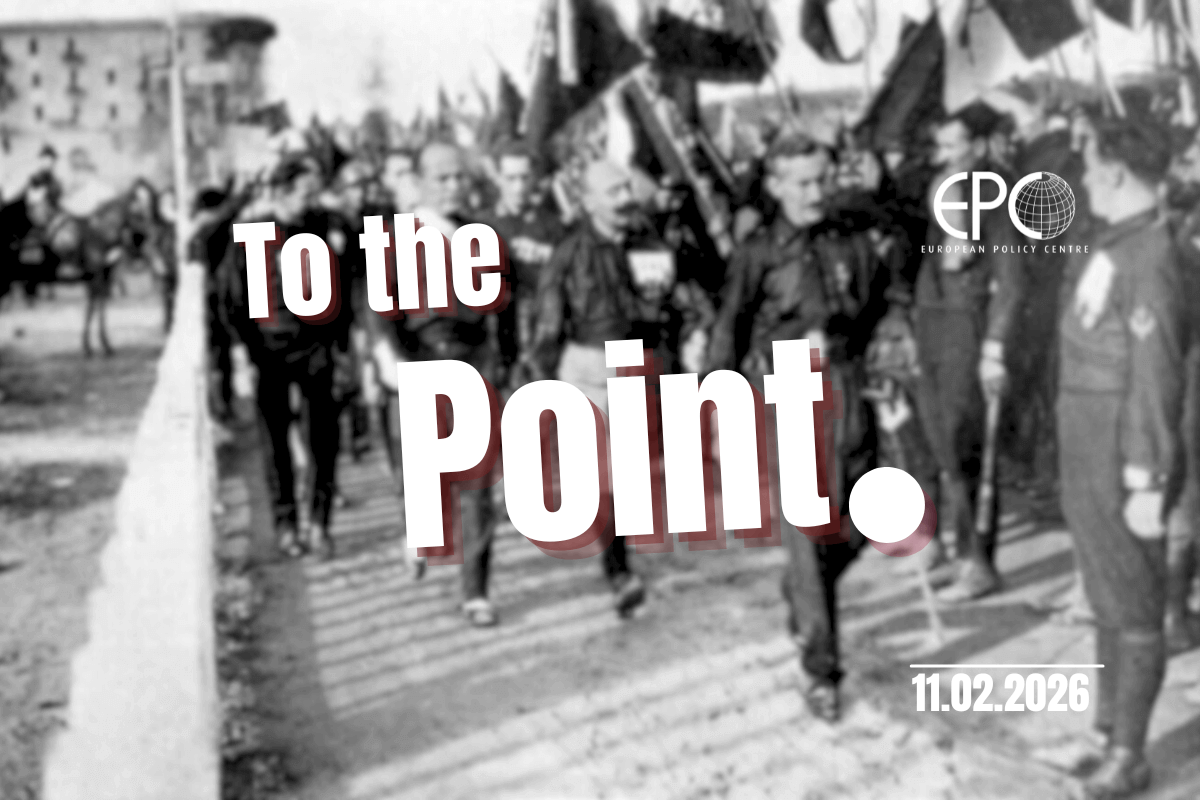
Benito Mussolini did not seize power as an obvious tyrant. His Fascist Party entered parliament through elections, cultivated respectability among leading figures and reassured elites that order and profit would be preserved. Street violence existed, but legality provided the mask. When he became prime minister in 1922, it was with constitutional approval, backed by institutions that preferred accommodation to confrontation. By the time democracy realised the threat, it was too late.
The same can be said for Hitler’s rise in Germany, and even argued for the turbulent decades preceding Franco’s seizure of power in Spain. The fascism of early twentieth-century Europe advanced through creeping authoritarianism, extreme nationalism and rejection of liberal democracy.
Fascism thrives on the claim that the nation is in decline and that only unity, discipline and decisive leadership can restore greatness. Individual rights become obstacles to destiny. Propaganda supplants debate. Loyalty is patriotism; dissent becomes treason. Militarism is normalised. Culture, schools and the media are bent to a single story. Capitalism survives, but is subordinated to the state and contingent on political loyalty. Disregard for law at home is mirrored abroad, as treaties are tested, neighbours intimidated and force celebrated as proof of national vitality.
At its core, fascism is also personal rule. Power accumulates around a leader presented as indispensable. Institutions stand but are hollowed until obedience replaces accountability. Mussolini understood this early. Until the elections of 1924, opposition might still have altered Italy’s course. Afterwards, as ‘Il Duce’ boasted, parliament could be reduced to “a bivouac for my maniples.”
History offers a stark lesson: Caesarean rule advances not only through force, but through consent. And the window to resist it is brief before it closes.
Georg Riekeles is Associate Director and Head of Europe's Political Economy programme at the European Policy Centre.
The support the European Policy Center receives for its ongoing operations, or specifically for its publications, does not constitute an endorsement of their contents, which reflect the views of the authors only. Supporters and partners cannot be held responsible for any use that may be made of the information contained therein.