

The European Policy Centre has highlighted the rising importance of economic security in the last years and is hosting the inaugural Brussels Economic Security Forum on 5 and 6 of June 2025.
The watershed moments of recent years - Russia’s invasion of Ukraine and Trump’s return to the Presidency - alongside longer-term trends such as the growing economic might of China, have put economic security at the heart of European policymaking. Few would argue against the need to develop instruments of economic statecraft in an age of weaponised interdependence.
But this does not imply agreement on how to do this. How much must be done together at the European level? How can those inside the EU who do not share a common outlook be excluded? How can those outside the EU who are like-minded be included? Who bears the cost of providing the public good of economic security? What means and instruments are effective?
The politics are tricky. Many policies are contingencies in an unknowable future and will turn out to be unnecessary or unnoticeable in their success in deterring hostile actions. Policies generally involve painful trade-offs and funding choices; balancing between competitiveness, openness, sustainability, hard and economic security, for example. Some policies contribute to multiple objectives, e.g. the development of certain technologies; but they still imply making sacrifices elsewhere. There is also no dedicated global forum where only like-minded countries can pursue a common economic security agenda together.
But economic security is not a choice but a necessity. The sooner and clearer that this is communicated to our populations, addressing the fundamental and inevitable trade-offs, the more likely it is that they will understand the necessary actions we must take.
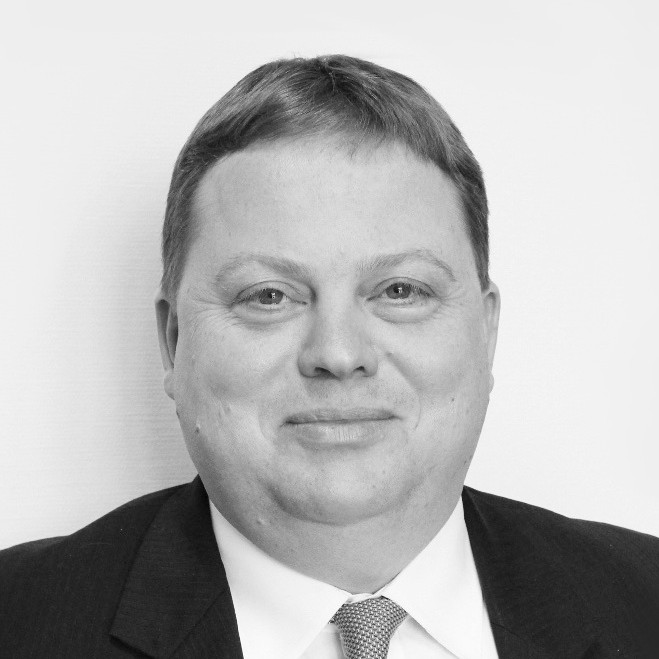
Fabian Zuleeg is Chief Executive and Chief Economist at the European Policy Centre.
The support the European Policy Centre receives for its ongoing operations, or specifically for its publications, does not constitute an endorsement of their contents, which reflect the views of the authors only. Supporters and partners cannot be held responsible for any use that may be made of the information contained therein.