

Reframing the reset: From post-Brexit stabilisation to strategic partnership
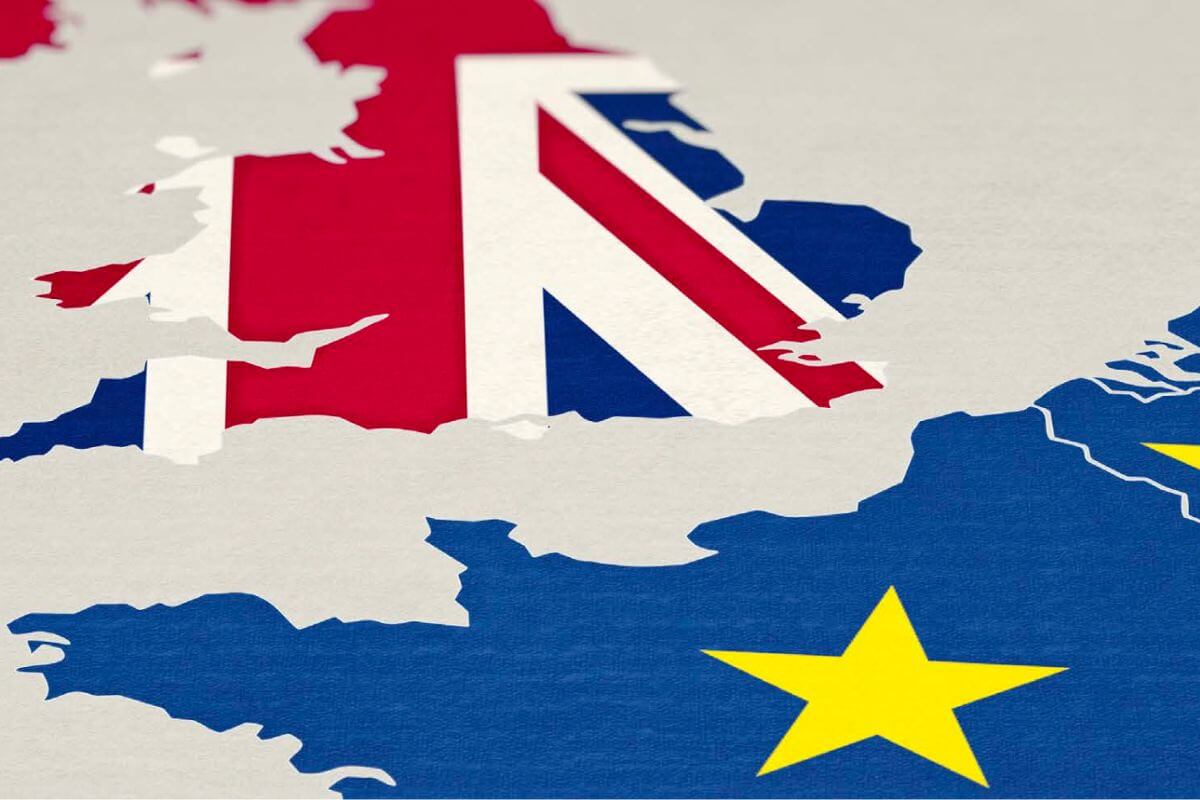




Despite significant progress in key areas of EU-UK cooperation, the relationship is far from being substantively reset, leaving a growing strategic gap at its core.
The rapidly changing geopolitical environment requires the EU and the UK to define and act on shared strategic priorities more systematically. This is already happening across a growing number of minilateral and bilateral formats — notably the E3 — but has yet to be matched by a similarly ambitious and sustained agenda at the EU–UK level. This summer, the EU and the UK meet for their second summit. Rather than treat it as a stock-take, leaders should use this moment to strategically reframe the relationship and to agree a way forward. Regardless of whether the UK drops its red lines, the EU–UK relationship should move towards flexible forms of cooperation in strategic areas where European scale, resilience and security require closer coordination between like-minded partners.
Genuine progress towards this effect requires the summit to:
-
Deliver the Common Understanding and widen practical cooperation in areas such as economic and democratic resilience, technology and innovation, trade and regulation, connectedness, and foreign and security policy. This is possible within existing political constraints.
-
Define a strategic direction in key areas through a Political Statement of Intent and create a high-level political negotiating group to identify flexible forms of cooperation in politically sensitive but strategically relevant files.
Beyond the summit, the trajectory of the relationship will increasingly be shaped by political developments in both the EU and the UK. A softening of UK red lines could unlock deeper economic integration, along the lines of existing models. A more flexible EU approach towards including like-minded partners could unlock cooperation in areas like defence and resilience. This means:
-
The EU should become more strategically open to structured cooperation with willing and capable non-member partners in areas where European fragmentation carries growing costs.
-
The UK should launch a systematic, evidence-based review about the future of its relationship with the EU, including the long-term sustainability of its current red lines and the options for deeper integration over time, including that of rejoining.
Read the full publication here.
Fabian Zuleeg is Chief Executive at the European Policy Centre.
Jannike Wachowiak is an external expert at the European Policy Centre and a researcher at UK in a Changing Europe.
Daniela Schwarzer is a board member at Bertelsmann Stiftung.
Jake Benford is an expert at Bertelsmann Stiftung.
This publication was co-authored and originally published by Bertelsmann Stiftung.
The support the European Policy Centre receives for its ongoing operations, or specifically for its publications, does not constitute an endorsement of their contents, which reflect the views of the author only. Supporters and partners cannot be held responsible for any use that may be made of the information contained therein.