


Meloni: the beginning of the end or the end of the beginning?
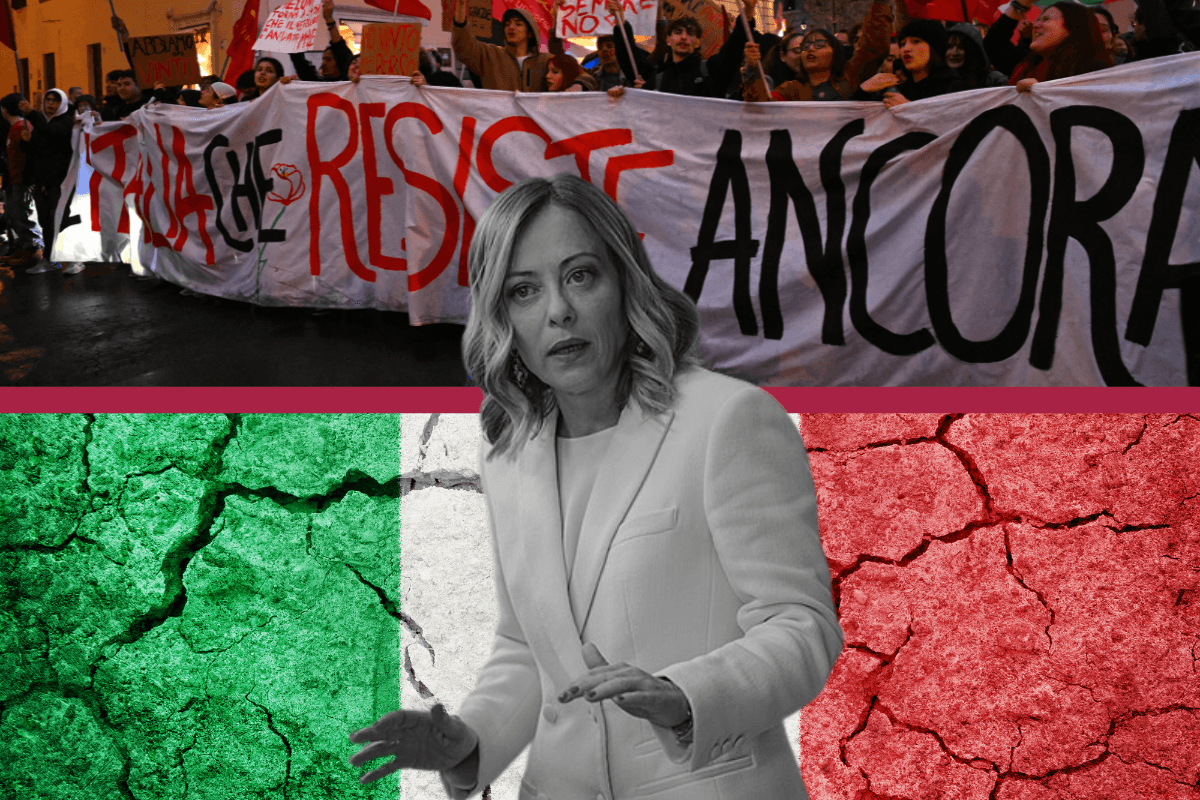

The constitutional referendum on justice in Italy saw an unexpectedly high turnout, confirming that the vote was deeply politicised from the outset. This was clear in statements from the governing majority’s own members, regardless of the flawed substance of the reform itself.
Mindful of former Prime Minister Matteo Renzi’s experience in 2016, Meloni initially kept her distance from the debate – but was forced to step in during the final week leading to the referendum to compensate for communication and political missteps of her government. Chief among these were Justice Minister Carlo Nordio’s confrontational messages towards the judiciary, going so far as to accuse the High Council of the Judiciary of being a quasi-mafia system. This wiped out a 20-point lead previously held by the “YES” camp in just a few months.
The outcome of the vote propels Italy directly into a pre-2027 election climate, where the country’s future and position within the European Union will depend heavily on the referendum’s impact on the governing coalition and the new balances that emerge.
For Meloni, electoral reform – already under discussion – now becomes a matter of political survival, given the possibility that the centre-left could become competitive under the current system if it were to run as a unified coalition in the elections. The problem is that, lacking the strength of a referendum victory, Meloni will not be able to strong-arm her allies but will instead have to compromise on the new electoral system.
The referendum defeat may exacerbate tensions in Meloni’s coalition already visible in recent weeks: uncertainty over the future direction of key parties within the coalition, the risk of internal fragmentation and the growing strength of more radical right-wing forces. The three governing parties sit in different political groups in the European Parliament, and previously contained internal tensions could be exacerbated in Brussels by the need for political repositioning ahead of the national elections.
The government also risks becoming bogged down in internal disputes at a time when Meloni is losing her aura of invincibility. The boost provided by the EU’s €190 billion National Recovery and Resilience Plan is gradually fading, and economic indicators signal a potentially deteriorating economic situation.
Through this vote, the Italian electorate also appears disapproving of a foreign policy perceived as overly aligned with US President Donald Trump, whose approval in Italy has sharply declined in less than a year. The government is also losing its status within Brussels as one of the EU’s most stable administrations. The results raise questions about Meloni’s future positioning on key issues, including the Middle East, support for Ukraine and the implementation of the Draghi report.
What is certain is that while victory belongs to many, defeat has only one name: Giorgia Meloni.
Michele Migliori is a Policy Analyst at the European Policy Centre.
The support the European Policy Centre receives for its ongoing operations, or specifically for its publications, does not constitute an endorsement of their contents, which reflect the views of the authors only. Supporters and partners cannot be held responsible for any use that may be made of the information contained therein.

