


Radmila Shekerinska: Turning security commitments into action
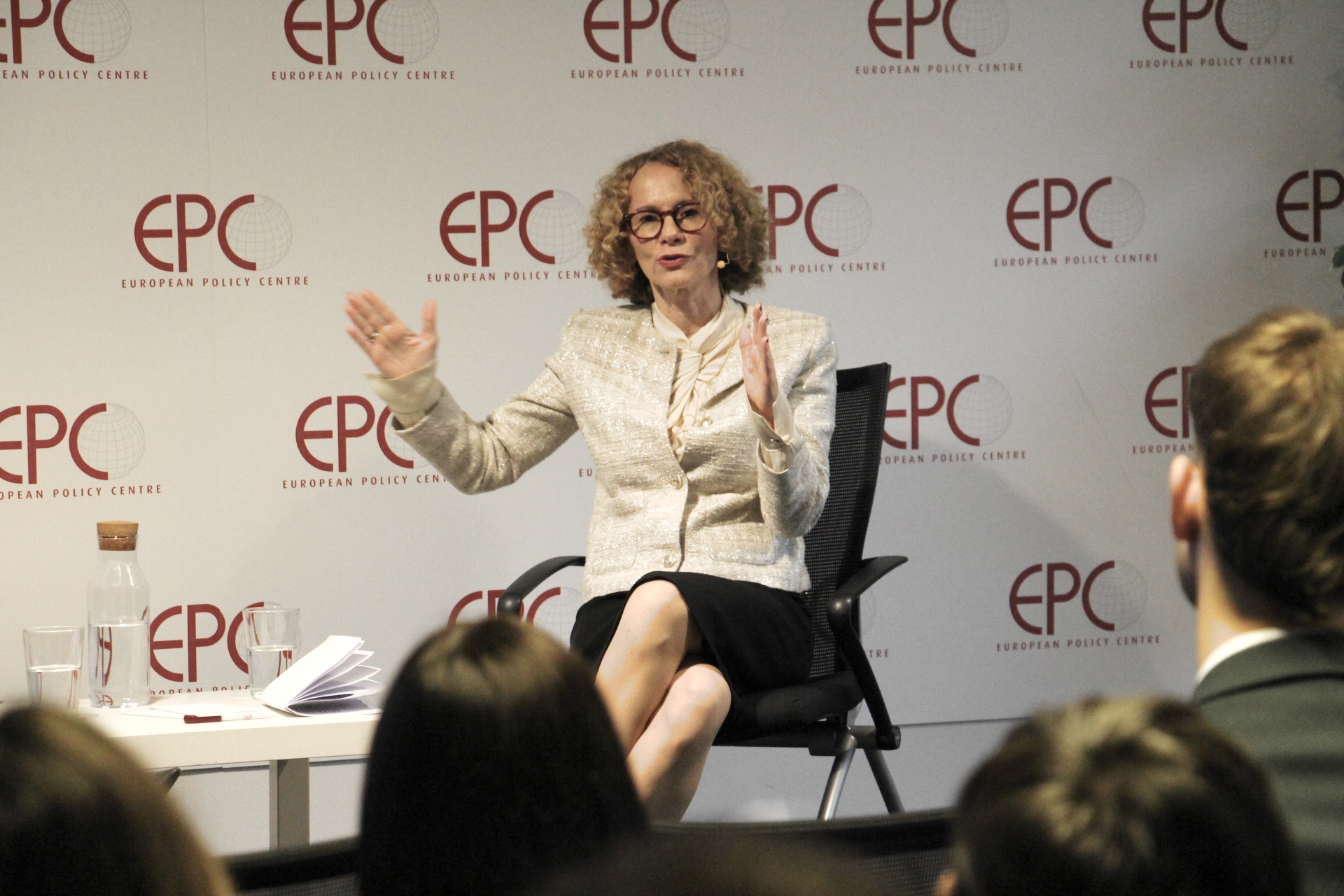
NATO must maintain its military superiority, strengthen societal preparedness and sustain support for Ukraine as Europe faces an increasingly challenging security environment, NATO Deputy Secretary General Radmila Shekerinska told an EPC Talks Geopolitics event on 19 November.
Addressing Russia's intensifying hybrid activities, including sabotage and drone incursions, Shekerinska argued that attempts to intimidate NATO Allies have prompted some countries to reinforce, rather than reduce, their support for Ukraine. “Instead of what you expect us to do, we will actually ramp up support to Ukraine. And I think that's the only reasonable response,” she said.
Looking ahead, Shekerinska emphasised that ending the war would not eliminate the need for continued assistance to Ukraine. Ensuring Ukraine's long-term security would remain a priority for NATO Allies, alongside strengthening European defence and resilience.
While reaffirming NATO's ability to protect its members, Shekerinska stressed that maintaining the Alliance's technological and military advantage requires sustained investment and political commitment. “We have what it takes, and we can deliver security, but we have to maintain this superiority in years to come,” she noted.
The Deputy Secretary General also underlined the need to strengthen the defence sector's workforce and attract a wider range of expertise. “We need more people in research and development. We need more people in acquisition. We need more people with a different mindset, and we need more women,” she said, highlighting the importance of talent and diversity in addressing future security challenges.
Beyond military capabilities, Shekerinska emphasised that credible deterrence depends on concrete investments and preparedness rather than political declarations alone.
“If we said that we are serious about security, we have to make sure that our budgets send the same message,” she stressed, extending the same principle to military stockpiles, societal preparedness and political leadership.
Her remarks underscored the importance of translating political commitments into tangible capabilities, while maintaining unity and a long-term approach to Euro-Atlantic security.