

As Europe commemorates Armistice Day this week, it is reminded of how European integration defined itself as a peace project – and rightly so. The Union emerged from the devastation of war, designed to replace conflict with cooperation and to make war between its members unthinkable. That founding narrative still resonates. Yet, it must reckon with a world in which security is once again under threat. Europe’s commitment to peace can no longer mean what it once did.
Defence and security now command far greater political attention and financial resources. Member states are increasing defence spending in line with NATO targets. Europe is supplying weapons to Ukraine – a country fighting for its survival – and investing in deterrence capabilities. These are not the actions of a pacifist project.
Yet this does not signal the abandonment of Europe’s peace vocation. Ukrainians, like all Europeans, seek peace – but a sustainable one. Vladimir Putin will not stop unless he is stopped. Security will not hold if aggression goes unchallenged. As Schiller put it, “Es kann der Frömmste nicht in Frieden leben, wenn es dem bösen Nachbarn nicht gefällt” – even the most peaceable cannot live in peace if the evil neighbour desires otherwise.
To secure peace in the long term, Europe must defend it in the present. That means continued support for Ukraine, robust investment in defence and credible deterrence against future threats.
Europe remains a peace project. But today, obtaining peace and security requires hard power to defend them.
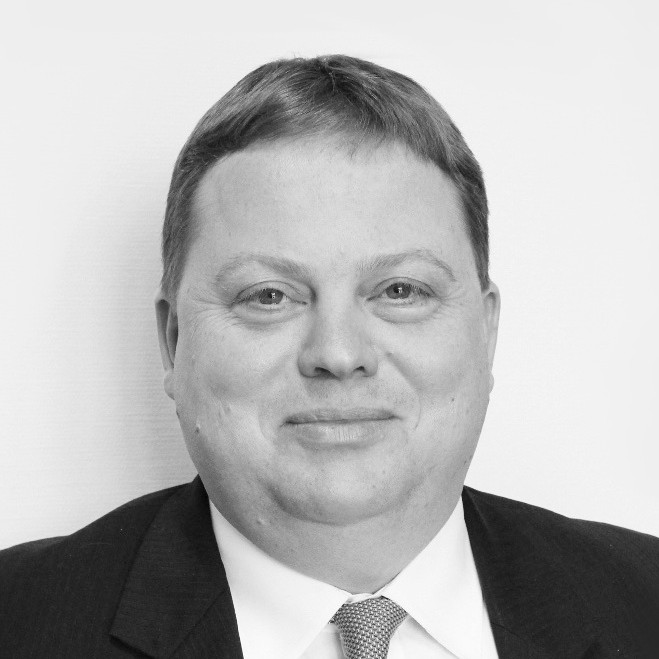
Fabian Zuleeg is Chief Executive and Chief Economist at the European Policy Centre.
The support the European Policy Centre receives for its ongoing operations, or specifically for its publications, does not constitute an endorsement of their contents, which reflect the views of the authors only. Supporters and partners cannot be held responsible for any use that may be made of the information contained therein.