

The virtues of a less incomplete superpower
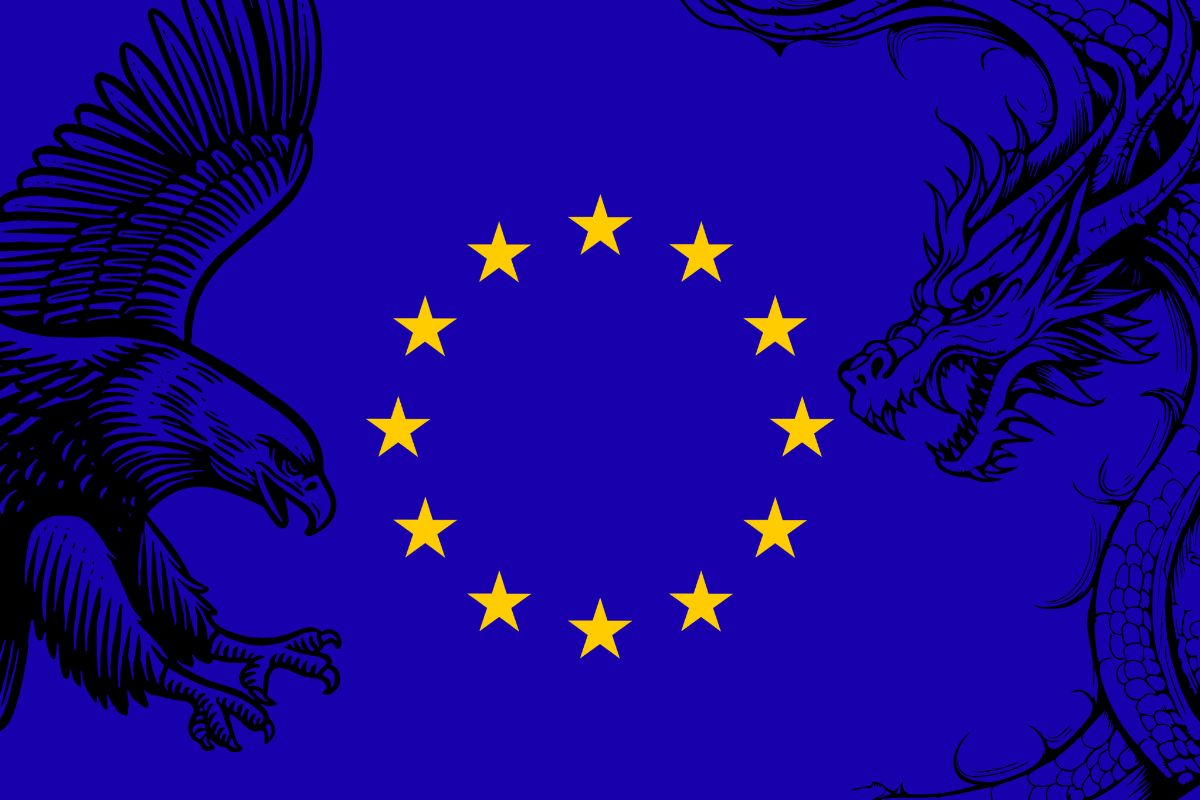

Rising geopolitical tensions and the return of Donald Trump to the White House have exposed the European Union’s structural vulnerability. The EU faces a strategic choice: (i) align more closely with the United States, attempt to become a fully-fledged superpower, or (ii) evolve into a more coherent and capable – yet distinct – global actor.
This paper argues that the first two options are neither feasible nor desirable. Instead, the EU should (iii) embrace its position as an “incomplete superpower” and focus on reducing the internal constraints that limit its capacity to act. While the EU already holds significant economic and regulatory power, institutional fragmentation, limited defence capabilities and internal divisions weaken its global role.
A less incomplete EU could play a central role in building coalitions with middle powers and supporting a renewed rules-based international order. To do so, it must:
1. strengthen defence capabilities;
2. reform decision-making;
3. complete the single market;
4. reinforce its external action, and;
5. operationalise its economic security tools.
Building a European superpower is neither feasible nor desirable. But the world would benefit from a less incomplete European Union.
Read the full Discussion Paper here.
Marco Buti is Tommaso Padoa-Schioppa Chair at the European University Institute’s Robert Schuman Center and former Director General for Economic and Financial Affairs at the European Commission.
Moreno Bertoldi is Senior Associate Research Fellow at the Italian Institute for International Political Studies (ISPI).
The support the European Policy Centre receives for its ongoing operations, or specifically for its publications, does not constitute an endorsement of their contents, which reflect the views of the author only. Supporters and partners cannot be held responsible for any use that may be made of the information contained therein.