

Women in war: voices from the many front lines
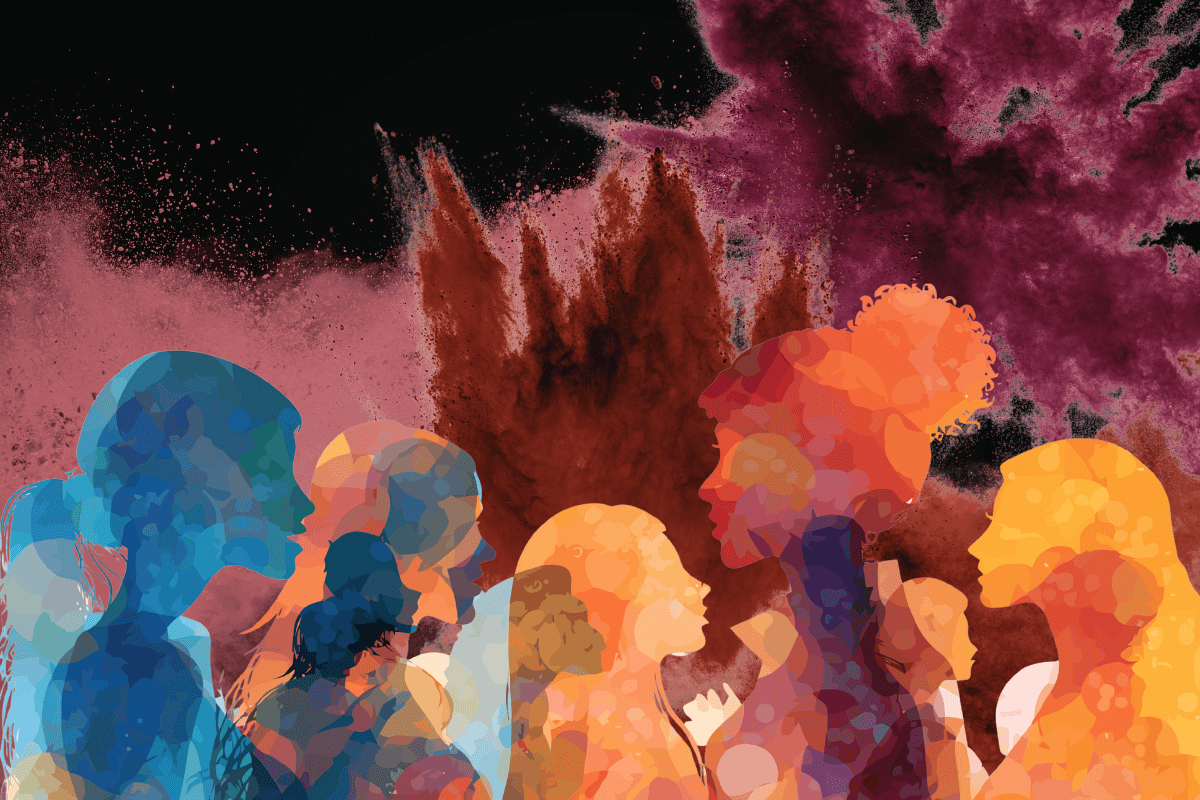
War is often told through the language of power: territory seized, battles won, red lines crossed. Yet its deepest consequences are rarely confined to the battlefield. They unfold in homes, shelters, hospitals and kitchens — in the intimate spaces where survival, care and resilience are negotiated every day. It is there, too, that women’s experiences of conflict become impossible to ignore.
Too often, however, women appear in narratives of war mainly as victims. That reality cannot be dismissed: women and girls are disproportionally exposed to displacement, violence, economic insecurity and profound social disruption. But this is only part of the story. Across conflicts and generations, women have also been organisers, defenders, chroniclers and community leaders. They sustain families through crisis, join and lead resistance efforts, document abuses and help imagine what peace might look like once the guns fall silent.
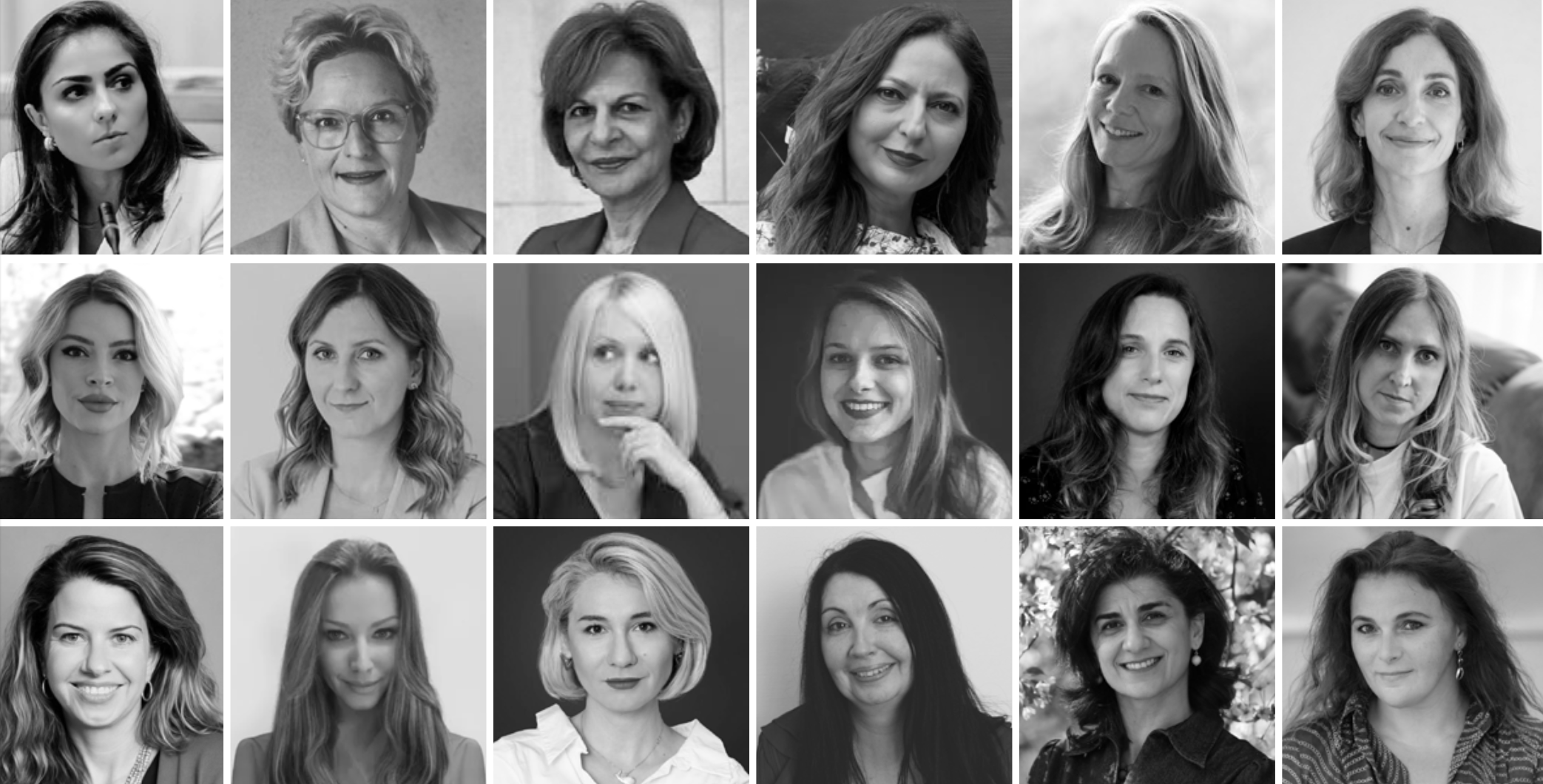
This compendium illuminates that fuller picture by bringing together diverse voices – Ukrainian researchers and teachers, a Bosnian peacebuilder, a Pakistani-European analyst, a Lebanese conflict scholar, a Serbian who remembers the sky turning red over her childhood home, a Kosovar shaped by war at age ten, and women working on the frontlines of mediation in Afghanistan and the DRC. Their contributions examine not only what war does to women, but also what women do in war: how they endure it, resist it, respond to it and help shape its political and human aftermath. Their perspectives are as varied as the conflicts they speak from. What unites them is the conviction that women are not peripheral to war — they are central to understanding its consequences and indispensable to shaping its outcomes.
At a time when war has returned to Europe and violent conflict continues to reorder the world, these questions go to the heart of how we understand security, democracy and peace. If war continues to be analysed primarily through the lens of military force and state power, we risk missing not only part of the story, but also part of the solution.
The future of peace will not be built only in negotiating rooms or on front lines. It will also be shaped by women, whose labour, leadership and endurance hold societies together through war itself.
The support the European Policy Centre receives for its ongoing operations, or specifically for its publications, does not constitute an endorsement of their contents, which reflect the views of the authors only. Supporters and partners cannot be held responsible for any use that may be made of the information contained therein.