


Defending Europe at sea: naval power needs industrial strength
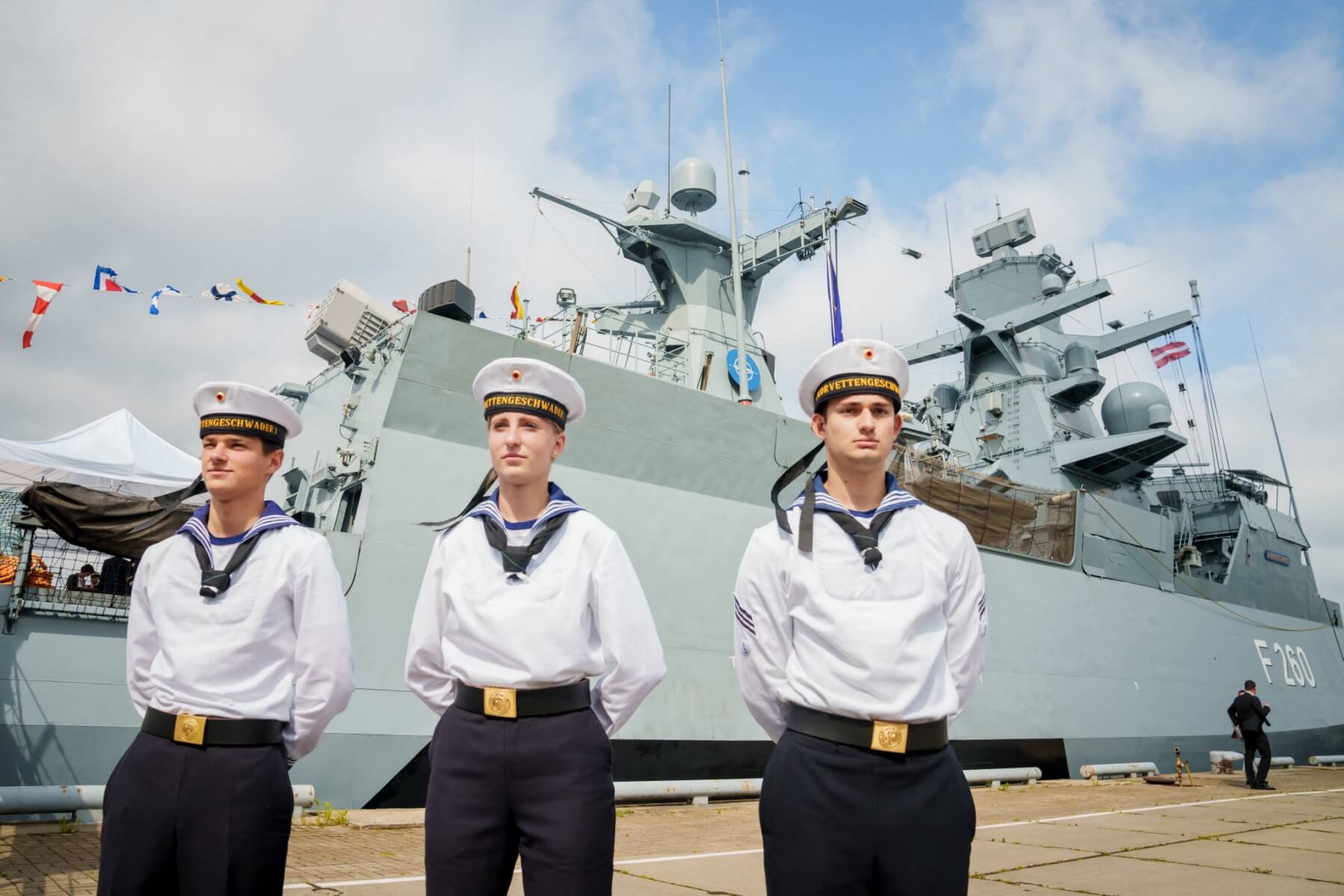


Competition at sea has intensified over the past decade as more states expand their naval reach and contest the chokepoints through which global commerce flows. With around 90% of world trade carried by sea, the ability to secure or disrupt these routes carries enormous economic and strategic impact.
Europe’s economic dependence on the maritime domain is currently outpacing its ability to defend it. Rival powers can increasingly threaten the routes that sustain European trade, while cheap precision weapons allow states and non-state actors alike to disrupt shipping, a cost European navies struggle to match.
Naval warfare in the Black Sea, the Red Sea crisis and the developments in the Strait of Hormuz have highlighted that high-intensity naval warfare is an occurrence that Europeans must be ready to face.
Europe’s rearmament already has strong momentum, but preparing its maritime security for an era defined by mass precision and complex threats requires a sharper focus: substantially higher investment in naval capabilities and the naval industrial complex, better implementation and integration of existing European policies, jointly coordinated efforts and sustained political will. The following priorities should lead the agenda:
-
Establish the European maritime industrial base as a strategic sector
-
Build a maritime economic security system to counter strategic dependencies.
-
Ensure that EU investment priorities, especially in R&D, are anchored in the operational needs of European navies and consider lessons learned from recent conflicts through deepening dialogue between EU institutions, member states, industry and naval commands.
-
Integrate critical infrastructure protection into European policies, strategies and roadmaps.
Read the rest of the policy brief here

Mihai Sebastian Chihaia Policy Analyst
Chris Kremidas-Courtney Senior Adviser
The support the European Policy Centre receives for its ongoing operations, or specifically for its publications, does not constitute an endorsement of their contents, which reflect the views of the authors only. Supporters and partners cannot be held responsible for any use that may be made of the information contained therein.