

We keep waking up in a world built from someone else’s blueprint. Others set the terms, define the crises and draw the red lines. Europe does not make or shape events; it absorbs them. At best, it manages fallout. At worst, it adapts to realities engineered without it – and often against it.
Trump’s Russia–Ukraine ‘peace plan’ is not a negotiation – it’s a geopolitical verdict. It shows that Europe is not only failing the test of times, but is drifting onto the wrong side of history – the side where others make the decisions and Europe foots the bill.
This is the price of complacency disguised as prudence, of moral declarations disconnected from capability, of ambition without execution. Europe wanted peace but never built the machinery to secure it. It wanted strategic autonomy but outsourced strategic choices. It wanted relevance but avoided responsibility.
This moment is also the culmination of Europe’s consistent appeasement and dependency, including its willingness to bend to Trump’s earlier demands. Each concession signalled a preference for accommodating pressure rather than exerting it. Others learned quickly: push Europe, and Europe will retreat.
Now Washington and Moscow are redesigning Europe’s security architecture over Europe’s head, engineering a world that sidelines Europe’s interests and values. They are carving up Ukraine’s sovereignty, defining NATO’s outer limits and dictating the terms of ‘peace’ – while Europe stands by, reduced to paying for a vision it didn’t author.
The message of this plan is brutal: Europe is being written out of its own future because it refuses to write anything at all.
For a peace that reflects its interests, protects Ukraine and strengthens European security, the EU must stop narrating events and start driving them – with strategy, resources, political will and action that matches the scale of its ambitions.
To avoid becoming a footnote to decisions made elsewhere, the Union must stop moralising and start governing — not tomorrow, not 'in principle', but now.
Otherwise, Europe won’t just be on the wrong side of history. It will be irrelevant to it.
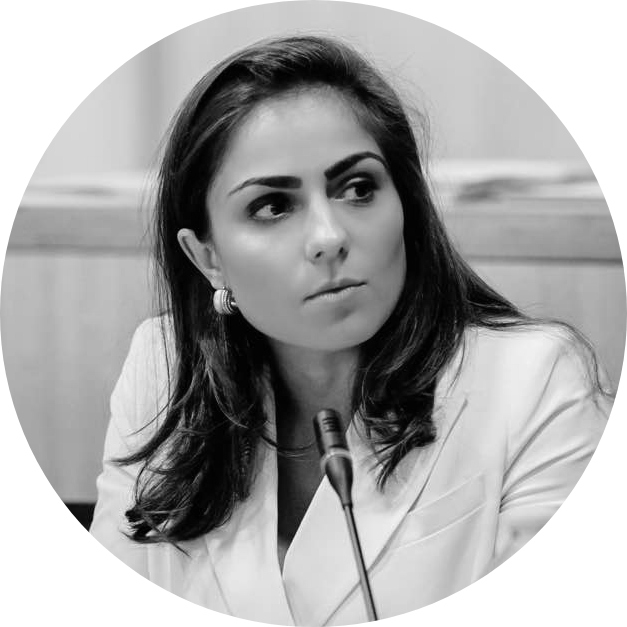
Corina Stratulat is Associate Director and Head of European Politics and Institutions Programme at the European Policy Centre.
The support the European Policy Centre receives for its ongoing operations, or specifically for its publications, does not constitute an endorsement of their contents, which reflect the views of the authors only. Supporters and partners cannot be held responsible for any use that may be made of the information contained therein.