


If pro-European liberal democratic forces were asked to design the continent’s order from scratch, they would not replicate the EU as it currently stands. Instead, they would aim to construct a far more capable, democratically modernized and strategically coherent polity — one that could e!ectively defend Europe’s vital interests and fundamental values in an era defined by geopolitical rivalry, geoeconomic confrontation and democratic backsliding. While a full-fledged federal Europe should function as a normative compass, this is politically unrealistic in the foreseeable future.
Differentiated integration must therefore become an imperative and a structural feature of renewal for the future of European integration. In an age of permanent crisis, unity should not mean uniformity. No doubt, unified ambition and collective action supported by all member states would be preferable to variable integration. But if the 27 EU members cannot move in the same direction at the same time, and if Europe is to safeguard its collective future, it must enable those that are willing and able to do so to deepen their level of integration. This differentiated cooperation should follow existing pathways in the EU’s treaties when possible, go beyond them when necessary, and, if all else fails, take new constitutional forms.
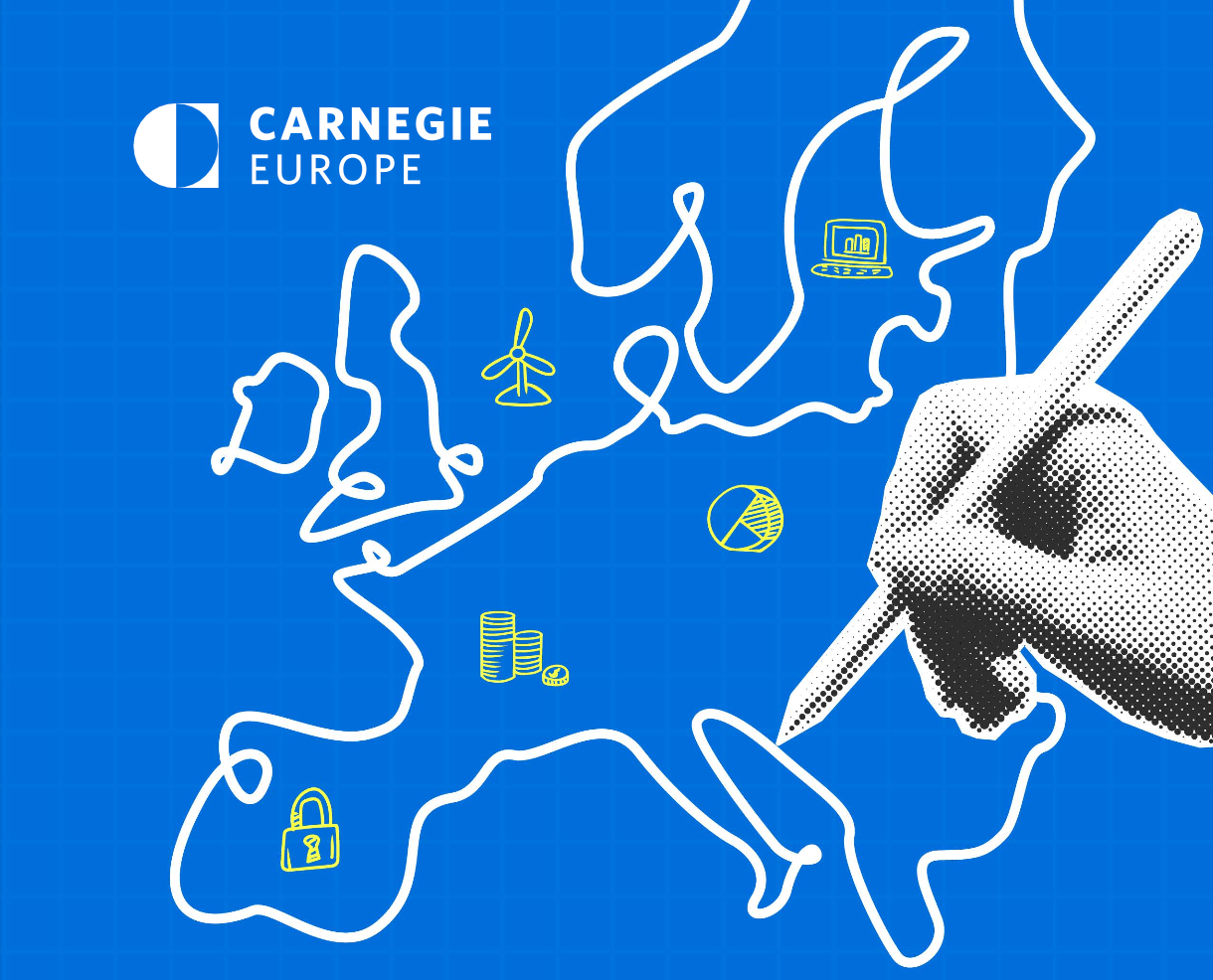
Originally published by Carnegie Europe. Read Janis A. Emmanouilidis's full contribution here.
Read the full volume, Europe from Scratch: Visions for a New European Order (ed. Richard Youngs) here.
Janis A. Emmanouilidis is Director of Studies at the European Policy Centre.
The support the European Policy Centre receives for its ongoing operations, or specifically for its publications, does not constitute an endorsement of their contents, which reflect the views of the authors only. Supporters and partners cannot be held responsible for any use that may be made of the information contained therein.