

Russia’s aggression is not confined to the Ukrainian battlefield. Moscow is testing Europe’s and NATO’s defences through airspace incursions by drones and fighter jets. It continues to launch cyberattacks against European institutions, and relentlessly spreads disinformation to weaken trust and polarise societies. Directly and indirectly, Russia is working to undermine Europe’s democracy and stability. No state, regardless of ideology, can tolerate such constant interference in its internal affairs and such violations of its security and sovereignty.
Russia also continues its brutal war on Ukraine, including deliberate attacks on civilians, violating international norms. It has brought North Korea into the war, widening its scope and further undermining global security. At the same time, Moscow refuses to engage in peace negotiations, setting impossible conditions that prompted US President Donald Trump’s cancellation of the planned meeting in Budapest with Russian President Vladimir Putin.
Any country that claims to seek peace should unequivocally condemn such actions. Moscow is showing that it does not want peace. Its behaviour is therefore not only an assault on Ukraine’s sovereignty and territorial integrity – it is a direct threat to European and global stability.
Curbing Moscow’s ability to continue its aggression is therefore the best way to safeguard global security and to move towards peace. Allowing a state that redraws borders by force and interferes in others’ internal affairs to prevail would set a dangerous precedent. Russia’s rejection of peace and willingness to risk a wider war makes the danger all the more apparent.
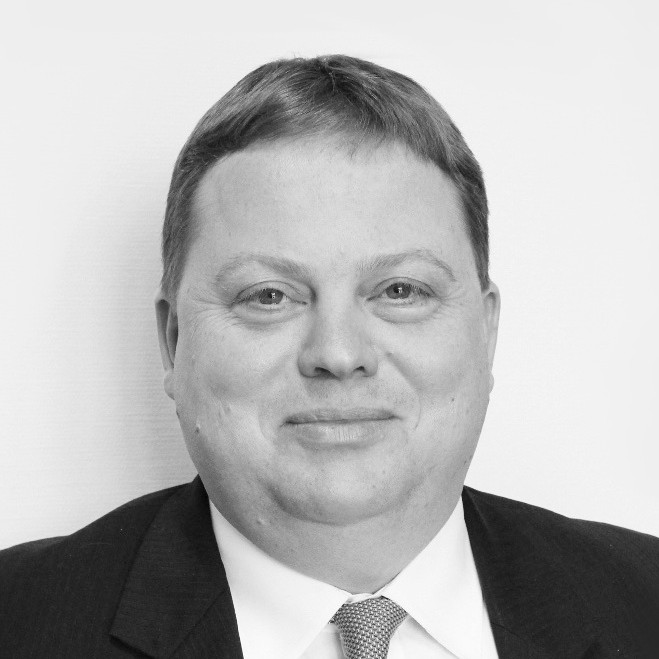
Fabian Zuleeg is Chief Executive and Chief Economist at the European Policy Centre.
The support the European Policy Centre receives for its ongoing operations, or specifically for its publications, does not constitute an endorsement of their contents, which reflect the views of the authors only. Supporters and partners cannot be held responsible for any use that may be made of the information contained therein.