

Europe is currently experiencing deep-seated challenges to our democracy, including a deterioration in public and political discourse. There has been a normalisation of the extremes, with almost no boundaries set by probity or truth. The extreme language used, the outrageousness of proposals, and the disregard for rights, individuals, or specific sections of the population has become commonplace. What is now being said in public was unthinkable a short while ago, and there is a negative ‘ratchet effect’, with every taboo breach setting the bar lower for the future and making the deterioration harder to reverse.
This is influenced by digital media, given the liberating effect of electronic communication, the creation of echo chambers and reward structures that favour grabbing attention. It is no coincidence that far-right, anti-democratic forces, including those around US President Trump, prefer social media, using it to push a concept of free speech that systematically makes truth and consideration for others a dispensable and unwanted extra.
Much of this is irreversible, but democratic legal systems should nonetheless continue to develop the means to counter the most egregious acts. In this context, some limitations on free speech, such as the one in German law that prohibits publicly denying the Holocaust and disseminating Nazi propaganda, may need to be considered. But those believing in democracy must also consider how they can achieve better traction in this new environment, and not let the other side dominate the battleground and set the rules of engagement.
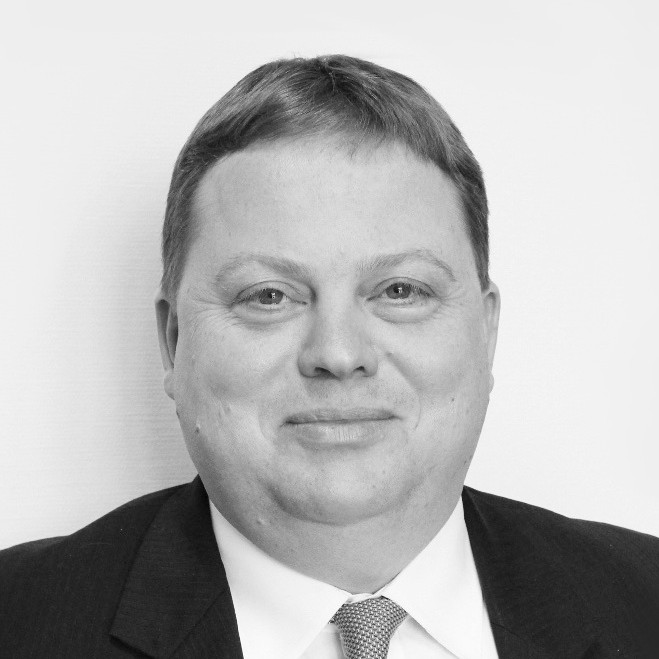
Fabian Zuleeg is Chief Executive and Chief Economist at the European Policy Centre.
The support the European Policy Centre receives for its ongoing operations, or specifically for its publications, does not constitute an endorsement of their contents, which reflect the views of the authors only. Supporters and partners cannot be held responsible for any use that may be made of the information contained therein.