


Maricarmen Abascal had lived in her Madrid apartment for more than 70 years when she was evicted in September. Her building had been acquired by an investment firm, and her rent eventually rose beyond what her pension could cover. Her eviction sparked mass protests and has pushed housing reform back onto Spain’s political agenda.
The case touched a nerve because it crystallised a problem Europeans have been discussing for years: what happens when a home is treated primarily as a financial asset rather than a place to live?
Climate change is forcing Europe to confront a similar question: What happens when protecting homes stops making business sense?
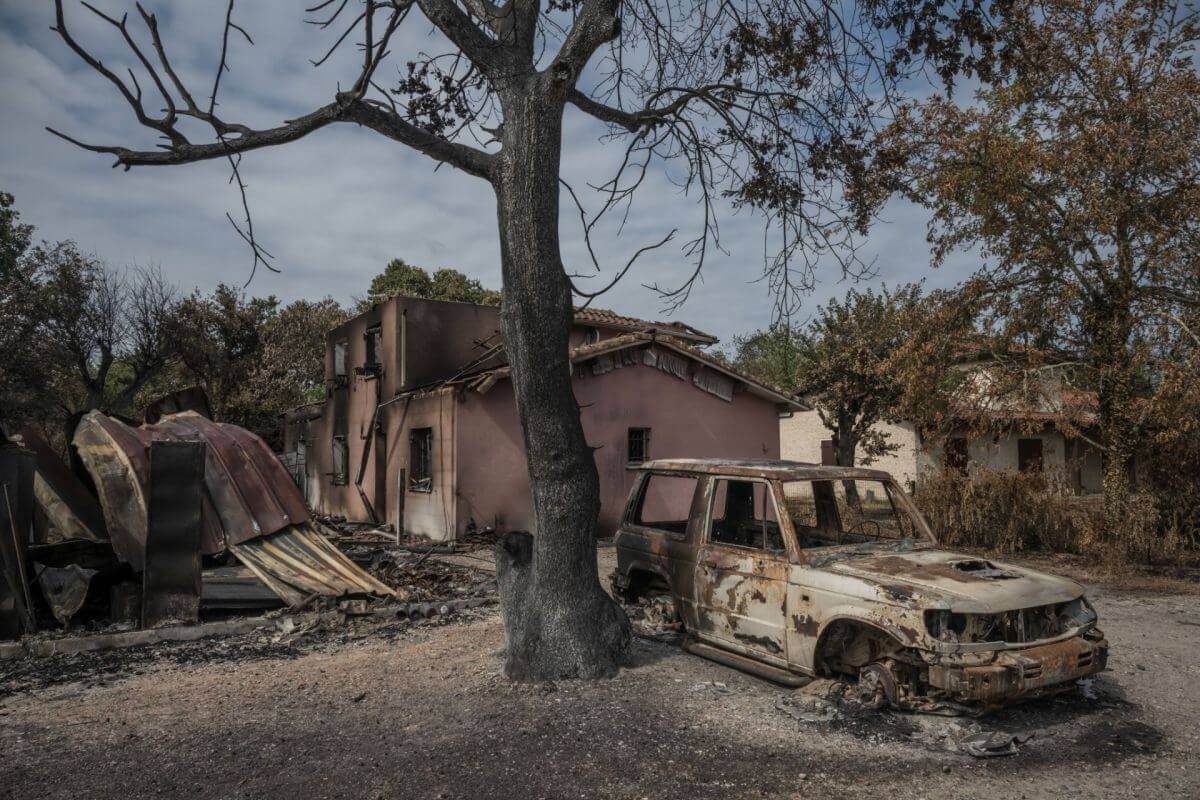
Europe has just emerged from another summer of extreme heat, drought and wildfires. The economic consequences are mounting. Between 1980 and 2024, weather- and climate-related extremes caused an estimated €822 billion in losses across the EU. A quarter of that damage occurred in just the final three years of that period. Less than 20% of total losses were privately insured.
That gap matters because insurance helps make home ownership financially viable in the first place, especially as climate impacts intensify. But insurers are companies, not public services. As climate risks intensify and premiums rise in high-risk areas, insurers may restrict coverage or leave the market altogether. EIOPA (the European insurance authority) has warned that this could make not only insurance but mortgages unavailable in some places.
We should pay attention to where that logic leads.
When insuring a home no longer makes business sense, the cost does not disappear. It simply shifts to homeowners who face unaffordable premiums or to rebuild on their own, to communities trying to rebuild after disasters, and ultimately to governments forced to step in where private insurers do not. This latter point matters particularly at a time of strained public finances and difficult spending choices.
Climate adaptation is often delayed when budgets are tight, but that is a costly mistake. Money not spent reducing risk today risks becoming a much larger bill for recovery tomorrow.
This is why European Commission President Ursula von der Leyen’s recently announced Climate Insurance Alliance is welcome. It signals that the Commission wants insurers, public authorities and other actors to find ways of closing Europe’s protection gap. However, in designing it, Europe must confront two challenges.
First, it must avoid the pitfalls already emerging in places such as California, where growing climate risks have contributed to soaring premiums and insurers restricting or even withdrawing coverage. Simply passing ever- higher climate costs through insurance premiums risks pushing the burden onto households least able to bear them, making homes increasingly difficult to insure, finance and ultimately remain in.
Second, Europe must act on the recognition that insurance alone cannot be the primary backstop for growing climate impacts. The Alliance should therefore become a catalyst for a broader conversation about how that risk is shared: what role public institutions at the EU and national levels should play in absorbing and preventing losses, how greater investment in adaptation can reduce losses in the first place, and how to ensure polluters shoulder a fairer share of both prevention and damage costs.
The eviction in Madrid and Europe’s climate insurance gap expose the same institutional failure: allowing the costs of systemic crises to fall on households until a basic need becomes unaffordable.
Europe’s challenge is therefore not simply to close an insurance gap. It is to build a fairer system for sharing climate risk, investing in resilience, and ensuring that the growing costs of climate change do not fall disproportionately on households and taxpayers who are least able to afford them.
Brooke Moore is a policy analyst at the European Policy Centre.
This op-ed was originally published by Rapporteur on 20 October 2026.
The support the European Policy Centre receives for its ongoing operations, or specifically for its publications, does not constitute an endorsement of their contents, which reflect the views of the authors only. Supporters and partners cannot be held responsible for any use that may be made of the information contained therein.