

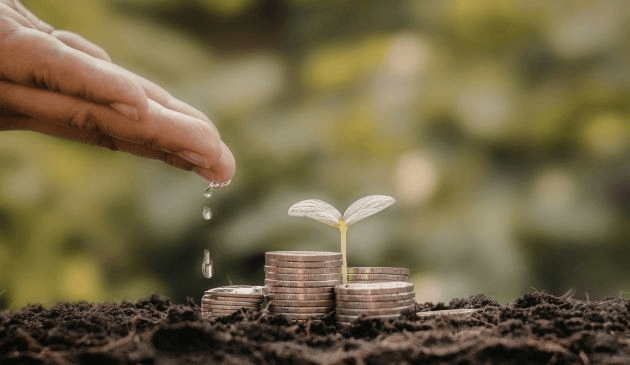

The EPC held an online policy dialogue on investing in nature-positive action in Europe, focusing on how to mobilise finance at scale and what this implies for the EU policy and investment frameworks. The discussion brought together policymakers, practitioners and financial actors to examine the economic, financial and strategic case for investing in critical areas like nature restoration and biodiversity protection.
A central theme throughout the dialogue was that biodiversity loss and ecosystem degradation represent systemic economic and financial risks. These risks affect productivity, public spending, insurance systems and Europe’s strategic autonomy. Healthy ecosystems underpin food systems, water security, climate resilience and supply chain stability. Participants emphasised the need to reframe nature not as an environmental issue alone, but as economic infrastructure and a matter of national and European security. Overdependence on degraded ecosystems increases exposure to shocks, raises fiscal liabilities through disaster response and climate adaptation, and can create new strategic dependencies. By contrast, investing in nature restoration can strengthen economic resilience, support innovation and job creation, and reduce long-term public and private costs. Viewing ecosystem restoration as part of Europe’s broader risk management and adaptation strategy also creates opportunities to better integrate nature into climate adaptation planning, agricultural reform and wider resilience and security spending.
Another key insight from the discussion was the importance of viewing ecosystems as productive assets rather than constraints on economic growth. Nature-based solutions and regenerative land use can deliver multiple benefits simultaneously, including reduced climate and disaster risk, improved water quality, carbon storage, biodiversity recovery and stronger rural economies. The economic case for nature is not limited to new revenue streams; avoided costs are also a major and often underestimated source of value. Preventing habitat loss, reducing flood risk, lowering insurance exposure and avoiding future remediation costs can generate substantial economic benefits over time.
The dialogue also highlighted that Europe does not lack capital for nature investment, but rather lacks investable project pipelines, stable regulatory frameworks and credible market design. Nature markets remain fragmented and uneven in quality. The Wendling Beck case study from the UK demonstrates that large-scale nature restoration can be financed through private capital when supported by clear and credible policy frameworks. Crucially, returns were generated not through speculative markets but through compliance-driven demand, supplemented by voluntary markets. The UK’s post-Common Agricultural Policy switch to payment for environmental improvements and mandatory requirements for developers to achieve ‘Biodiversity Net Gain’ are still in their early stages. However, lessons already show that mandatory frameworks create the foundation on which voluntary markets can develop with integrity. While initiatives such as the EU Nature Credits Roadmap are promising, markets alone cannot replace public funding or structural reform, particularly while nature-harming subsidies persist. Strong regulatory frameworks are necessary to ensure market integrity, prevent greenwashing and guarantee that environmental improvements are genuine and additional. Clear compliance mechanisms are also essential to ensure investor confidence and provide predictable offtake, while public finance can play a catalytic role through guarantees, blended finance and risk-sharing instruments, helping to scale and de-risk early-stage investments. Participants also highlighted that the ongoing simplification of EU sustainability reporting and nature-related disclosures carries risks for the information economy. Consequently, careful management is required to avoid undermining the data foundations needed for credible markets and informed investment decisions.
Finally, participants emphasised that the next Multiannual Financial Framework (MFF) will be decisive in shaping the scale and direction of investment in nature. Several priorities were highlighted:
- Protecting and earmarking funding for nature, especially in light of potential changes to existing instruments such as LIFE, to ensure continuity and ambition in restoration efforts.
- Using EU financial instruments more strategically, including InvestEU, the Competitiveness Fund and partnerships with the European Investment Bank (EIB), to mobilise private capital through guarantees and blended finance.
- Aligning agricultural incentives with ecosystem stewardship, notably through a more outcome-oriented Common Agricultural Policy that rewards sustainable land management and reduces transition risks for farmers.
- Leveraging upcoming policy frameworks, such as national nature restoration plans and the EU adaptation agenda, to identify, structure, and scale investable projects.
Overall, there was strong agreement that nature restoration must be framed not as a cost to be minimised, but as a strategic investment in Europe’s competitiveness, resilience, and long-term prosperity – and embedded accordingly across financial and policy decision-making.
The EPC Sustainable Prosperity for Europe programme event was in partnership with the UK Mission to the European Union.
Brooke Moore is a Policy Analyst in the Sustainable Prosperity for Europe Programme at the European Policy Centre.
The support the European Policy Centre receives for its ongoing operations, or specifically for its publications, does not constitute an endorsement of their contents, which reflect the views of the authors only. Supporters and partners cannot be held responsible for any use that may be made of the information contained therein.