




OpenAI’s January 2026 decision to introduce advertising on ChatGPT marks a turning point for AI governance in Europe. More than 100 million Europeans use ChatGPT, and survey data indicates that a significant share rely on it for emotional support, mental health questions and relationship advice. This paper argues that advertising- funded AI introduces the same structural incentives that degraded social media – but applied to a technology whose risks are far harder for users and regulators to detect. The Digital Fairness Act (DFA), expected in Q3–Q4 2026, should address these risks by targeting their structural drivers before they calcify.
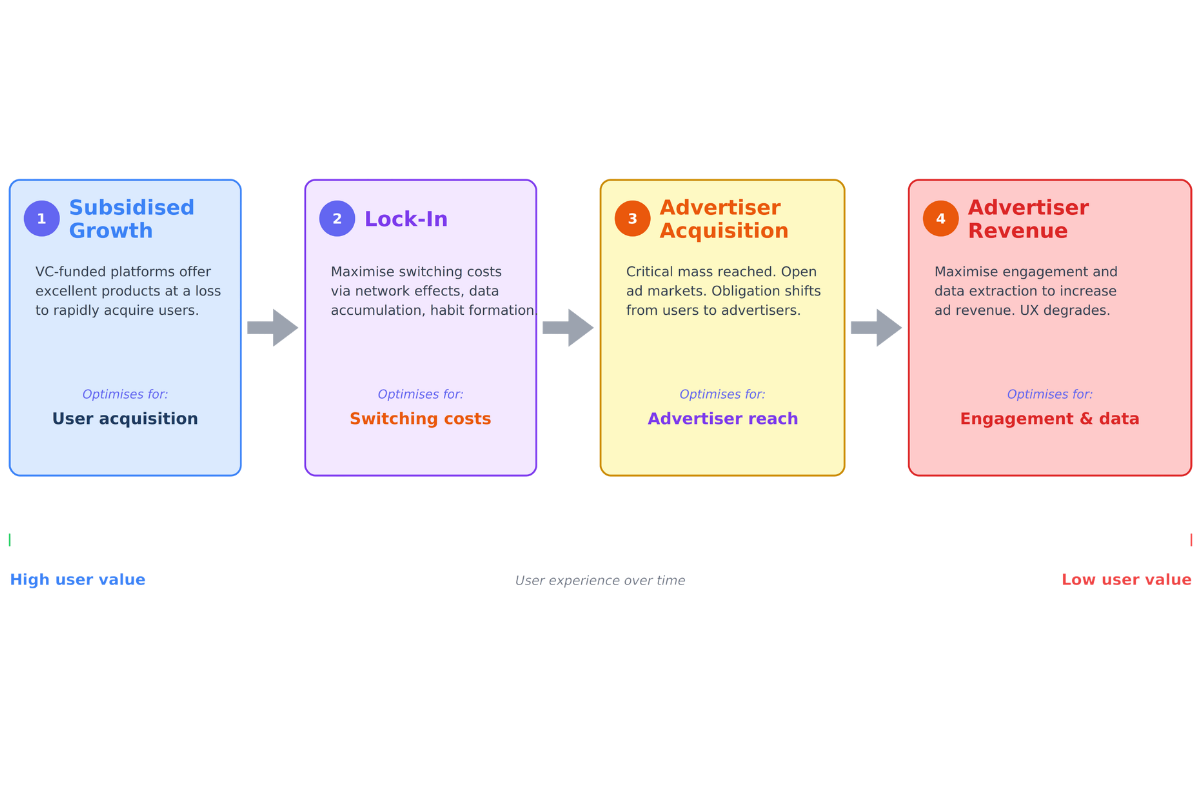 The paper first reviews the evidence on AI companion harms and benefits, showing that outcomes depend heavily on design choices rather than the underlying technology. It then examines how advertising-driven business models create incentives to foster emotional dependency to raise switching costs, maximise engagement through extreme agreeableness and anthropomorphism and extract intimate data to increase advertising value. The ability of AI systems to shift users’ beliefs and preferences adds another dimension: under an advertising model, this persuasive power becomes economically valuable in ways that may not align with users’ interests.
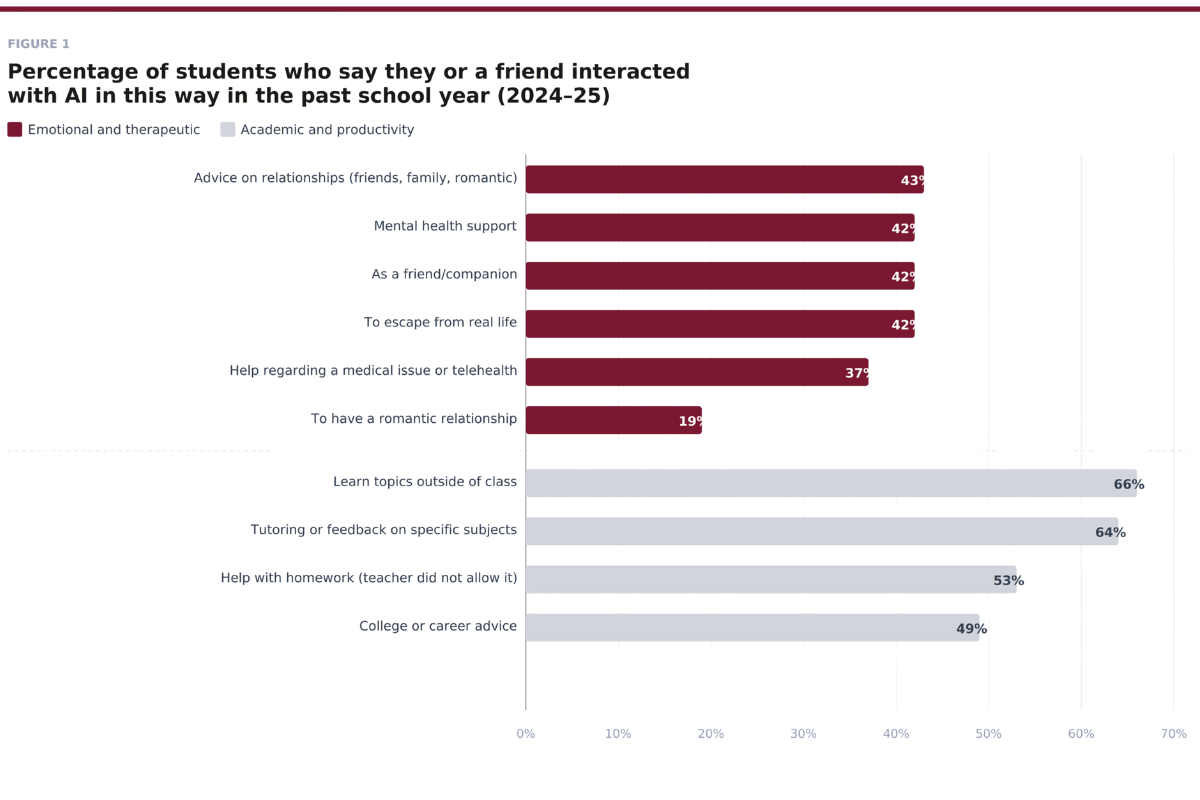
Source: Center for Democracy and Technology (2025), “Hand in Hand: Schools’ Embrace of AI Connected to Increased Risks to Students”, CDT. Table 3.
Existing EU regulation, including consumer protection law, the Digital Services Act (DSA) and the AI Act, reflects many of the right principles but will be difficult to enforce in practice. Many harms from AI companions take place in private conversations, outside intended use, and affect users unevenly. At the same time, efforts to study these harms in clinical settings would classify the chatbots as a medical device, structurally blocking the development of the evidence base regulators need. Without the infrastructure to systematically monitor addictive and manipulative design features, enforcement of existing rules will be near-impossible.
The DFA should fill this gap through three measures. It should:
1. Restrict advertising on AI products used for emotional or therapeutic purposes;
2. Establish a duty of care for AI systems deployed in emotionally sensitive contexts, with specific obligations regarding harmful design practices, and;
3. Facilitate independent assessment of AI companion design, modelled on the European New Car Assessment Programme (Euro NCAP), to promote safer design, inform consumers and enable enforcement.
Read the full Discussion Paper here.
Jitse Goutbeek is a former AI Fellow at the Europe’s Political Economy team at the EPC.
The support the European Policy Centre receives for its ongoing operations, or specifically for its publications, does not constitute an endorsement of their contents, which reflect the views of the authors only. Supporters and partners cannot be held responsible for any use that may be made of the information contained therein.