

EU Migration Pact 2026: Ready for implementation?
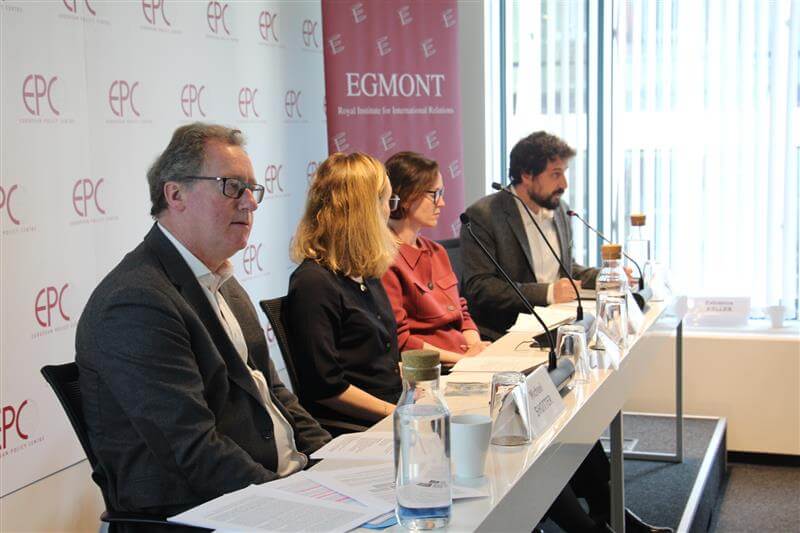

The European Policy Centre hosted a topical discussion with Egmont – the Royal Institute for International Relations as the EU approaches a turning point on migration policy: June 2026, when the New Pact on Migration and Asylum is due to be fully implemented.
The first panel focused on implementation, preparedness and the remaining political and operational challenges as the Pact moves from negotiation to delivery. The discussion featured speakers from the Cyprus Presidency of the Council of the EU, the European Parliament, the European Commission, leading think tanks and the European Policy Centre and was moderated by Jean-Louis De Brouwer, Director of the European Affairs Programme at Egmont.
Speakers agreed that full implementation should mark a shift from a “crisis-driven” posture to a more managed approach – but stressed that the Pact will only work if all components move together, given how interdependent the system is. They warned that uneven preparedness across member states could produce fragmented practices on the ground, and that maintaining the right balance – politically and operationally – between responsibility and solidarity will be essential. A recurring message was that enforcement must go hand in hand with protection, with some noting that today’s policy initiatives do not always reflect the original compromise negotiated in the reforms.
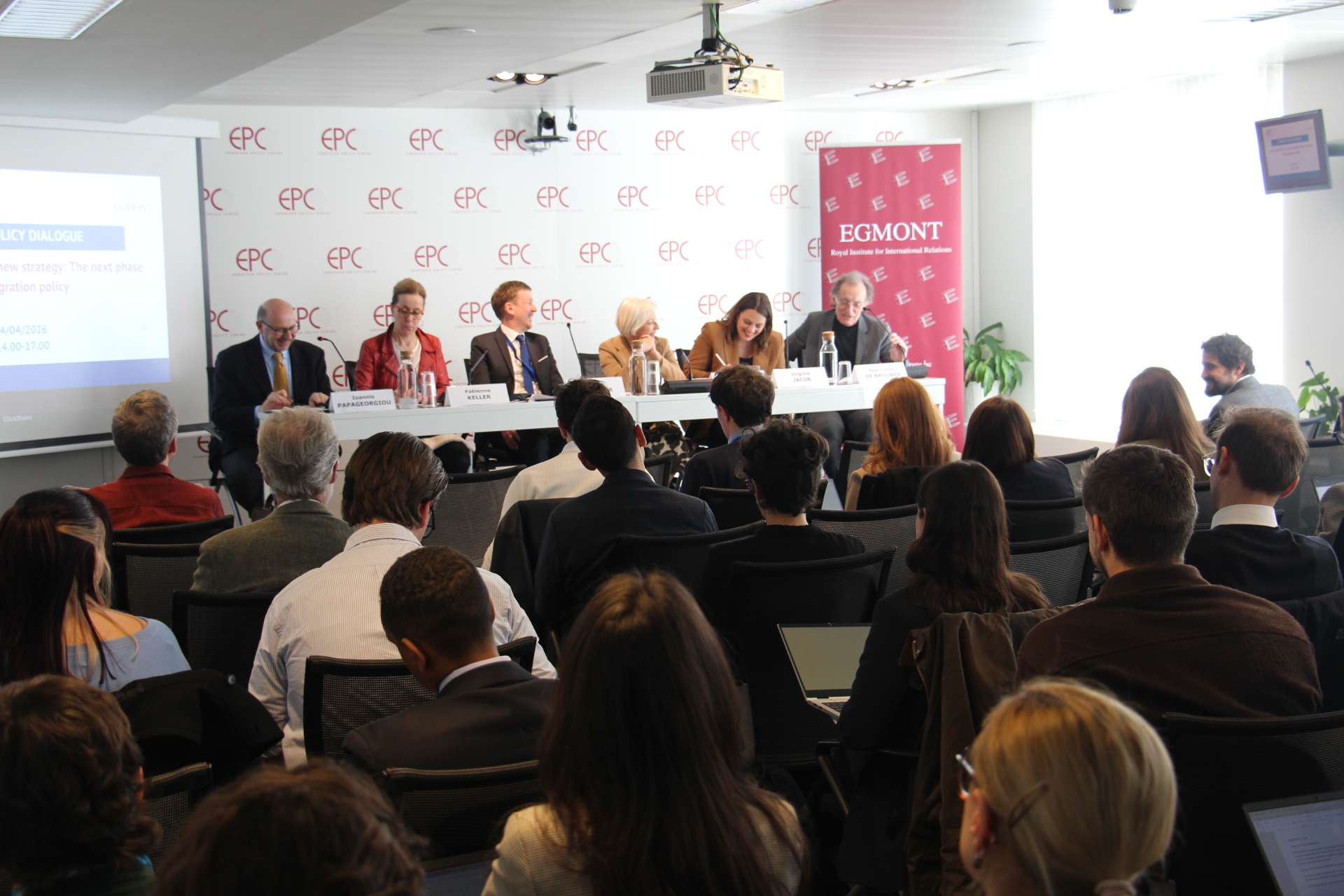
The second panel turned to the Commission’s new five-year strategy, presented in January, which seeks to integrate internal and external migration policy around three objectives:
-
preventing irregular migration;
-
protecting those in need;
-
attracting talent.
This exchange brought together voices from the European Commission, international organisations including UNHCR and prominent migration think tanks, alongside moderation by Alberto-Horst Neidhardt, Head of European Migration and Diversity Programme and Senior Policy Analyst at the European Policy Centre. Speakers highlighted the strategy’s strong external dimension – effectively codifying “migration diplomacy” – while questioning how to ensure delivery on areas with less political appetite at national level, particularly EU-driven labour migration and enhanced protection in a spirit of responsibility-sharing. They also raised practical concerns about reception capacity, how to pair returns reform with reintegration and third-country capacity and how progress will be monitored and resourced – even as the Commission stressed that the strategy reflects EU values and does not imply trade-offs between objectives.
Marko Milutinovic is Communications Officer at the European Policy Centre.
The support the European Policy Centre receives for its ongoing operations, or specifically for its publications, does not constitute an endorsement of their contents, which reflect the views of the authors only. Supporters and partners cannot be held responsible for any use that may be made of the information contained therein.